My Kathmandu to Pokhara Ride on Nepal’s EV Tourist Bus
Planning a trip to Pokhara?
Why Catching the Right Bus in Nepal Is Never Simple
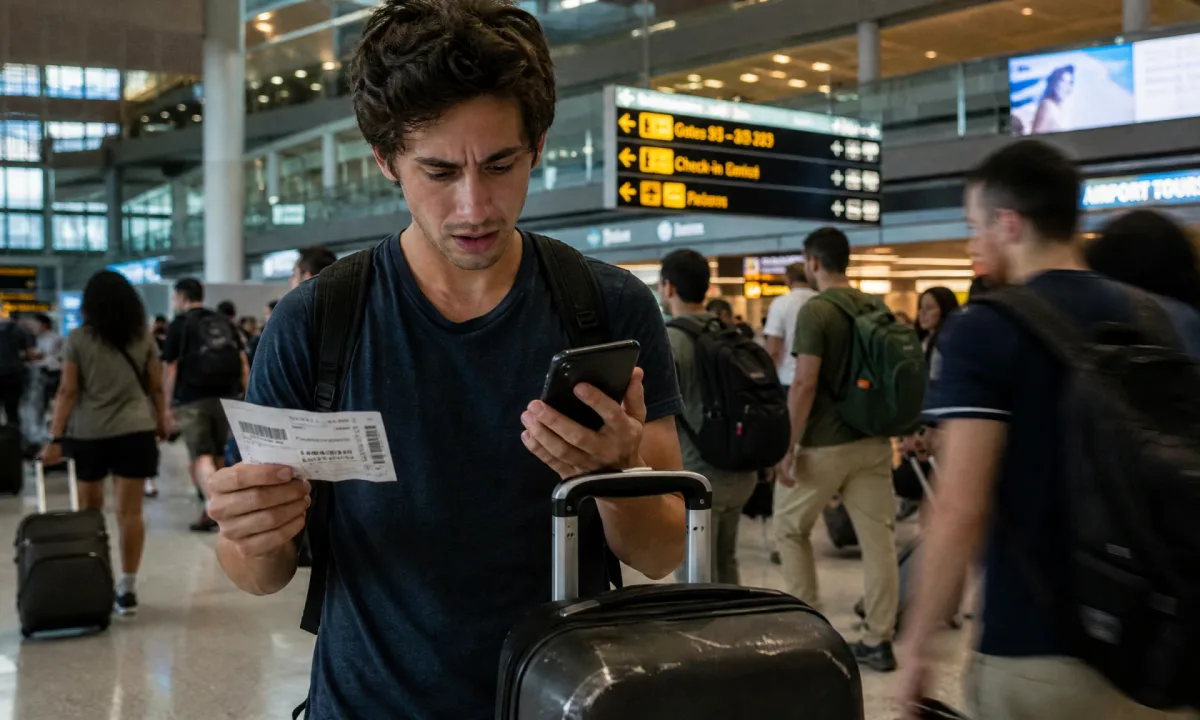
It is always a challenge getting on the right bus in Nepal, especially for foreign travelers who, I imagine, find it difficult to keep up with the destinations being rattled off by the invariably young and enthusiastic conductor at the door. In most countries that I have visited, one can play Sherlock and have at least a vague idea of which one to hop on without asking a single person. A route number on an LED screen, translated information at the stop, an application with GPS, or some universally legible sign. Here in Nepal, your best bet is a number plate that is long and, depending on which side you are looking at, potentially in Devanagari. There is also a strip of paper at the bottom right of the front window that has the stops written, but it is only discernible to someone who understands the language and has regularly had their eyes checked. That said, the long cross-province routes do make for a different story, as the buses running along them have their own set of etiquette and pace. And yet the process of getting a ticket and finding the right bus has, until recently, still required approaching someone.
How BusSewa Changed the Way I Book Buses in Nepal
You never know what you paid for exactly, whether you could have found cheaper options, or whether the seat by the window was available, but the task nonetheless gets done. Personally, I always found the process of reaching out to multiple operators individually, through the phone or a WhatsApp message, just to find the best price, a bit tedious. So it was a pleasant surprise when I first came across the BusSewa app and much later had a chance to use it on my trip to Pokhara. It reminded me of my time in Vietnam and how we had gone from booking at counters to using Vexere to move from one city to another, which at that point had felt like a much-needed revelation. Platforms like Travories are doing the same for trekking and tour bookings — bringing that same price transparency to adventure travel in Nepal. Perhaps what the transparency does, as it still does now, is spare the foreign tourist the quiet insecurity of not knowing whether they are being charged a local price or a tourist price.
Booking the EV Bus: An Unexpected Choice
Once I had decided on my date of departure, I scrolled through the operators. Perhaps because money eludes me, I sorted by price and was drawn to an EV bus offering. Times really have changed. What appealed to me was less the carbon footprint I would not be leaving behind and more the fact that the bus started from Banepa, meaning I could board at Satdobato instead of having to go all the way to Sorakhutte or Kalanki. The scheduled time was seven in the morning, and the night before departure, I received a message with the plate number, a contact for the operator and all that. The bus did not show up exactly on time, but that much was to be expected. After all there is only so much one can bang for a buck.
First Impressions: The Bus That Surprised Me
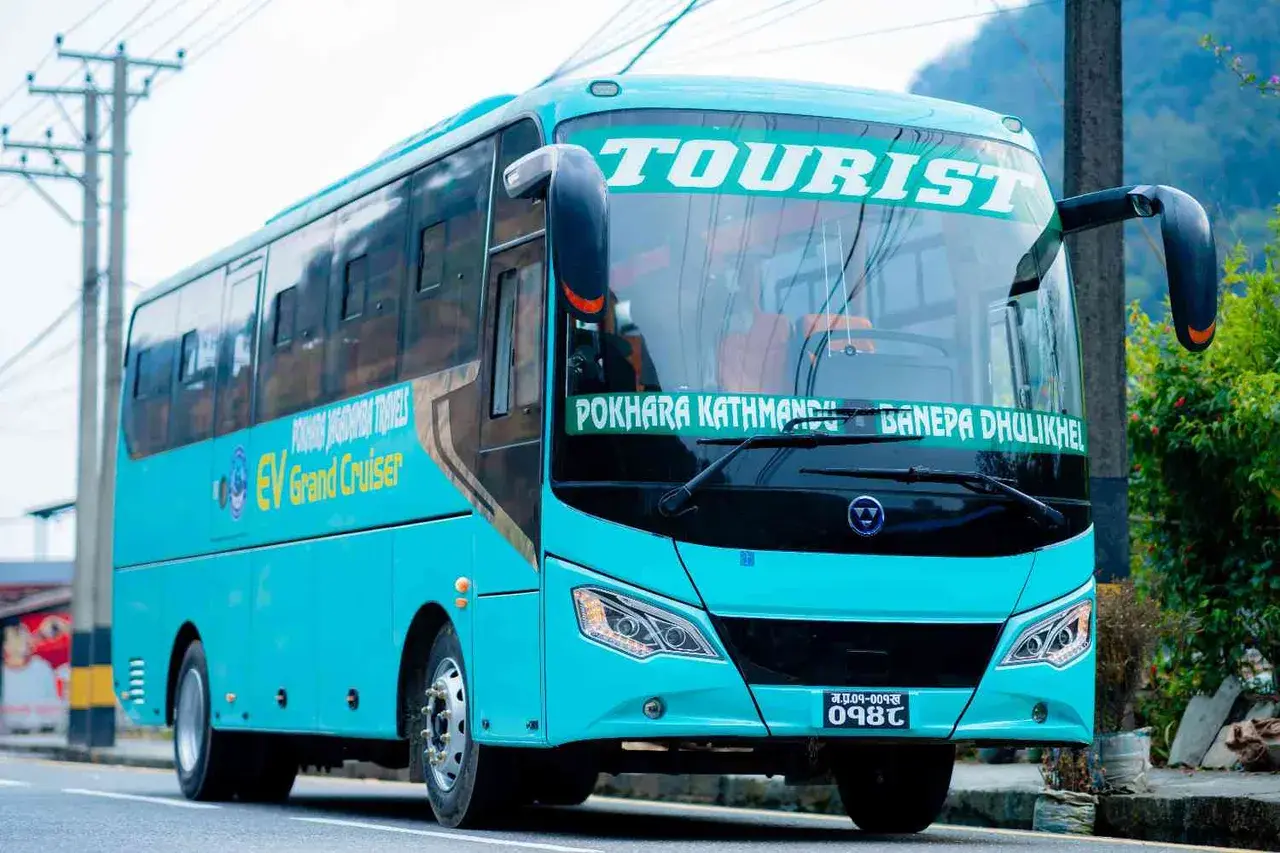
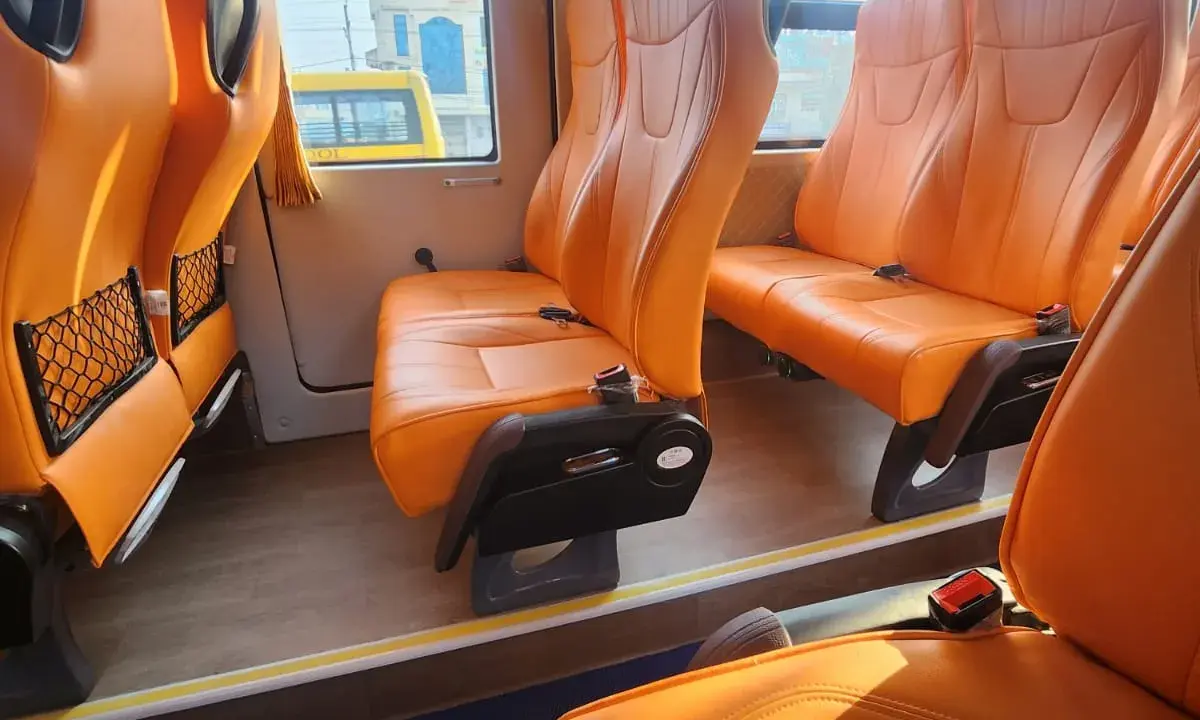
I paid eight hundred and seventy-four rupees for a ticket that had been listed at a thousand, courtesy of a cashback offer. At that price, I was half prepared for a vehicle held together by optimism and faulty wires, not much different from the local buses racing the route or one of those that always breaks down mid-journey. So when a sleek-looking light blue bus arrived, not just in one piece but shining, I was somewhat surprised. Inside were orange coaster-type seats, air conditioning, and USB ports for charging that I did not know about until much later. The windows were large but had a horizontal dividing strip across the middle that interrupted the view, which felt like a bit of an inconvenience on a scenic route, especially given how much I like gazing out the window.
On the Road: The Kathmandu to Pokhara Highway in 2026
And just like that, I was on my way to Pokhara. The city of vibrancy, of beauty and of relative calm. But when I say this, I forget that I am equating Lakeside with Pokhara, which is merely a small oasis in what is a much bigger city. And if we are talking cities, they are all similar in some ways, with their rush, their apathy and their concrete jungles. I would have much preferred for some of that concrete to find its way into the highway connecting the two cities, although I must say, every subsequent time I have used this route, the ride has become less and less bumpy on average. The stretch towards Kathmandu remains the rougher half, with construction that has been ongoing for years, though the pace seems to have picked up recently, whereas the section closer to Pokhara is noticeably better. The Nagdhunga tunnel still has not grown out of the breakthrough it made several months ago, which apparently was more of a literal expression than a metaphorical one, as the process of setting up the tender before getting operational is still underway.
The Lunch Stop at Kurintar's E-Stop
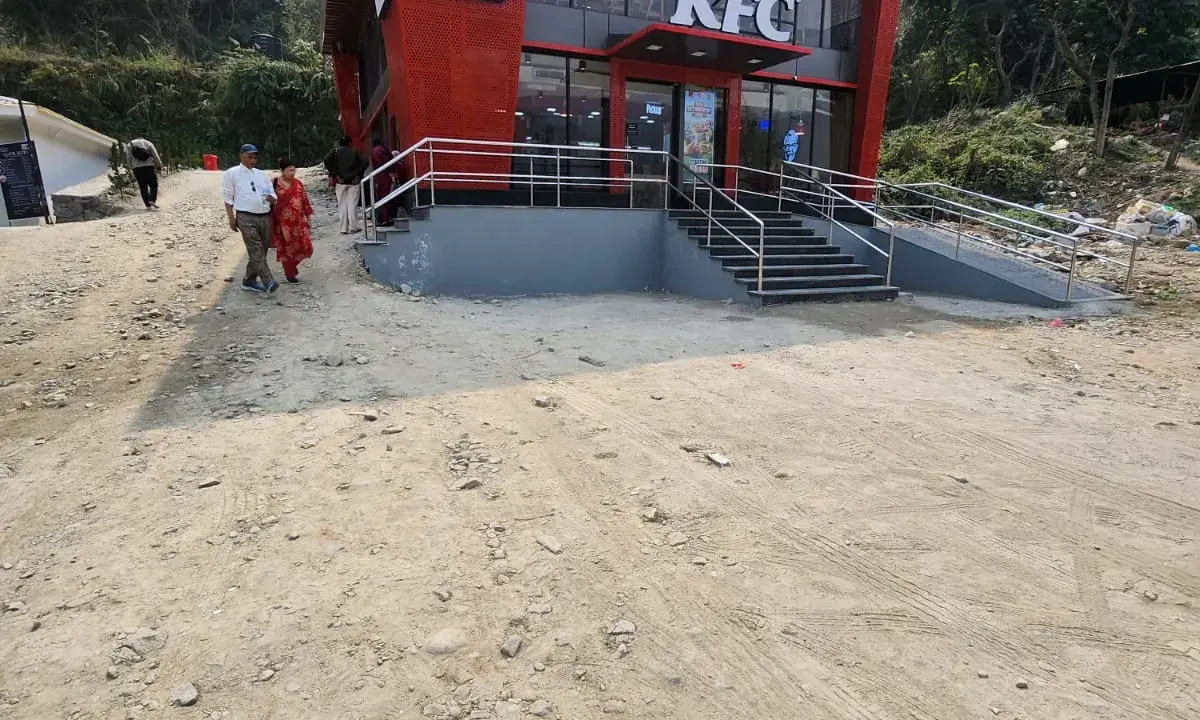
There is something either symbolic or ironic, I could not decide which, about the roads being at their worst closest to the city everyone is trying to leave. Pokhara has always been Kathmandu's escape, the first place people think of when they need to be somewhere else. I think it has something to do with the lake and how being around it makes the atmosphere a little more relaxed. But then there are also the mountains, and for many city dwellers, Pokhara is the nearest they have ever been to one. Turning these thoughts over, the bus stopped for lunch in Kurintar, at one of those polished-looking places I did not know existed. They even had a KFC. It is called the E-Stop — a place where electric vehicles can charge. As expected from somewhere that cashes in on the ambience, the food was a bit expensive. But if you do not follow the crowd and instead take a short detour of a hundred steps or so, there are smaller shops near the highway where dal bhat is available at a fraction of the cost, though the surroundings are less polished.
Flying vs. Taking the Bus to Pokhara: Is It Worth It?
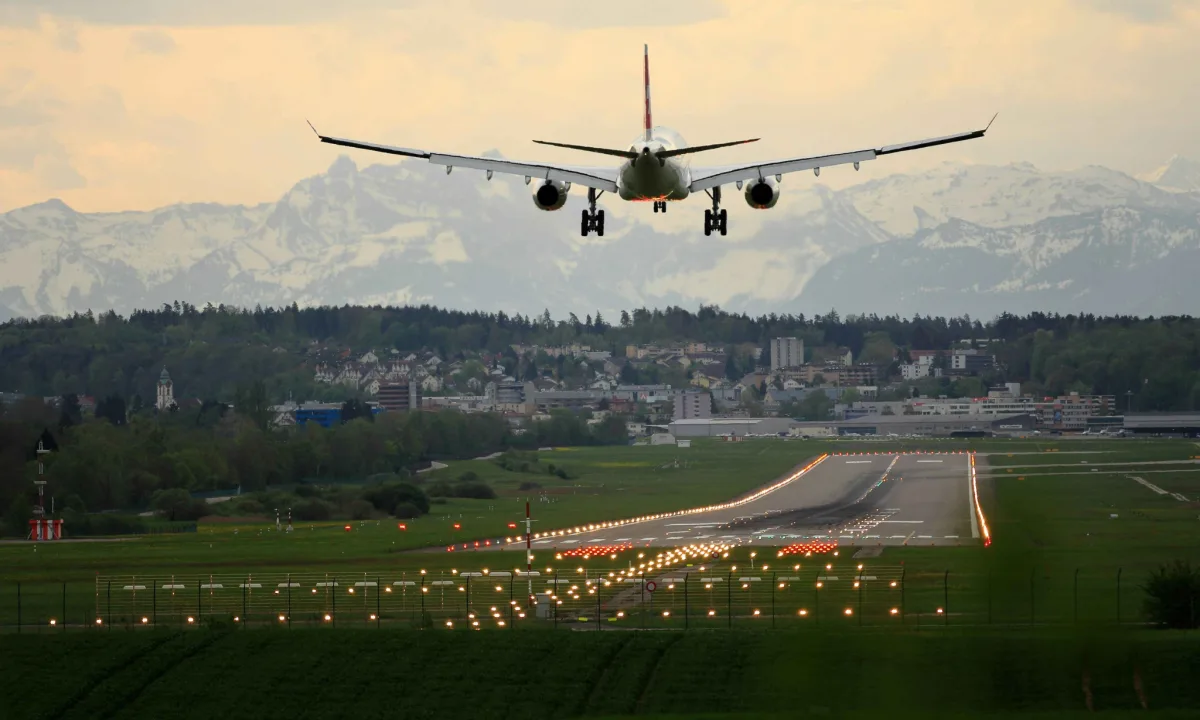
As the bus approached Pokhara, I caught a glimpse of the international airport, the new one that I have never used and do not really foresee using. It sits there with a kind of confidence that the traffic through it has not yet justified. Having travelled to other countries and become a foreigner in someone else's, I have a particular sympathy for travellers who end up paying twice the domestic fare. How a country intent on promoting tourism has managed to normalise this rent-seeking practice is, frankly, beyond me. I thought about it for a moment, the comparison between a twenty-five-minute flight and a bus ride that could take seven, eight or even nine hours depending on the season, and acknowledged that yes, there are days when that would be worth whatever it costs. This, however, was not one of those days. I had nowhere urgent to be. I would even go so far as to say the only thing I have aplenty is time.
"There is something about the long winding roads and the passing settlements. watching a landscape you have known for years slowly change, that makes the The commute feels less like time to be saved and more like time to be savoured. "
The Final Verdict: Would I Take the EV Bus Again?
When I had first settled into my seat, the bus was making such a convincing case for itself that I had wondered why anyone would pay more. The seat was comfortable. The ride, for the most part, was fine. The driver was not trying to Vin Diesel his way to Pokhara. I was convinced I would take the same Kathmandu to Pokhara bus every time. But later, as I made my way back to the hostel, I found myself trapped in this mental labyrinth, with songs I would never have chosen still looping after seven hours of listening and no way to escape them, and I began to reconsider. I suppose that is what more money gets you in Nepal. A ride in silence.
Explore verified trekking and tour packages starting from
Pokhara — from Annapurna treks to guided lakeside day tours — all in one place on Travories.
Sarans Pandey
www.facebook.com/saranspandey89Travel enthusiast and Travel writer
Comments
Join the conversation and share your thoughts.
Loading comments…