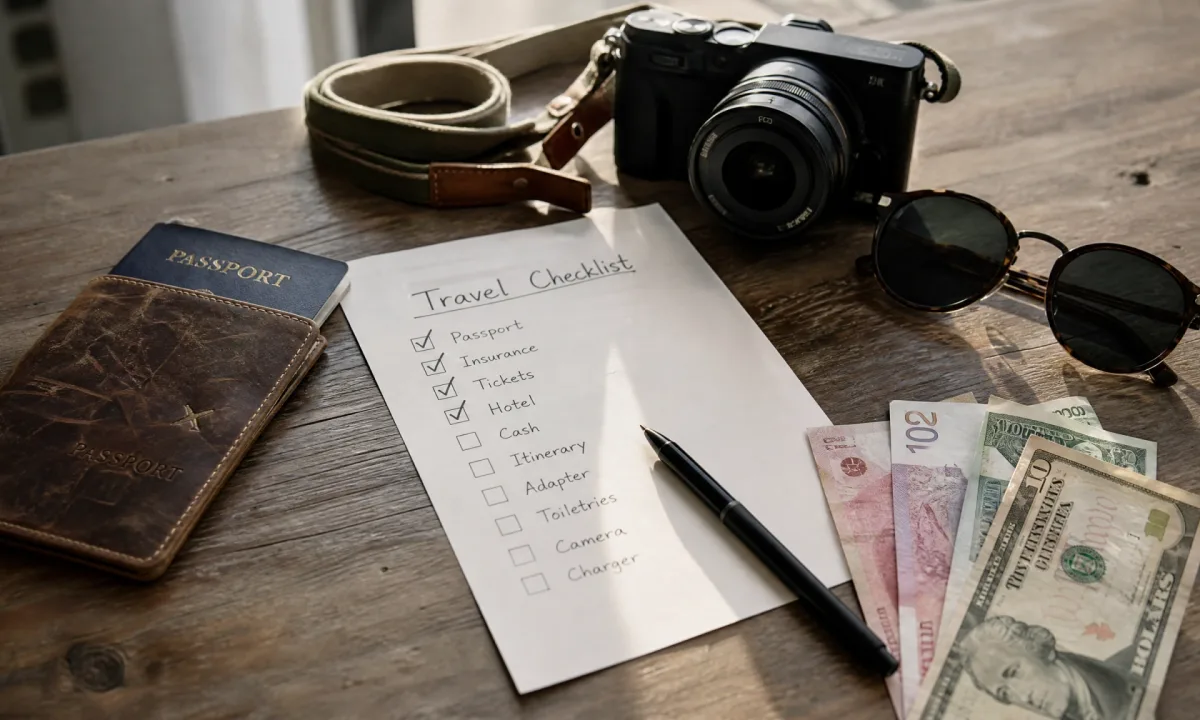
The Hard Way to Everest
On cancelled flights, a night in Salleri, and arriving at the start of the trail before the trail had even begun
Three Passes, Then Two, Then None
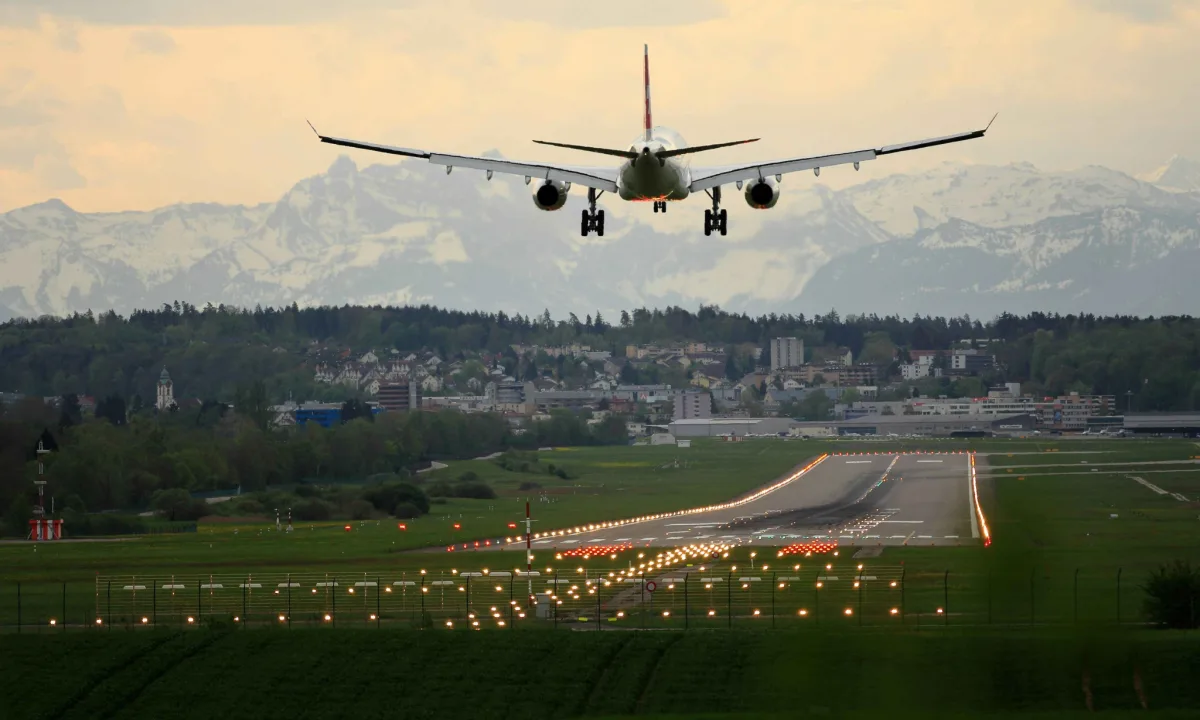
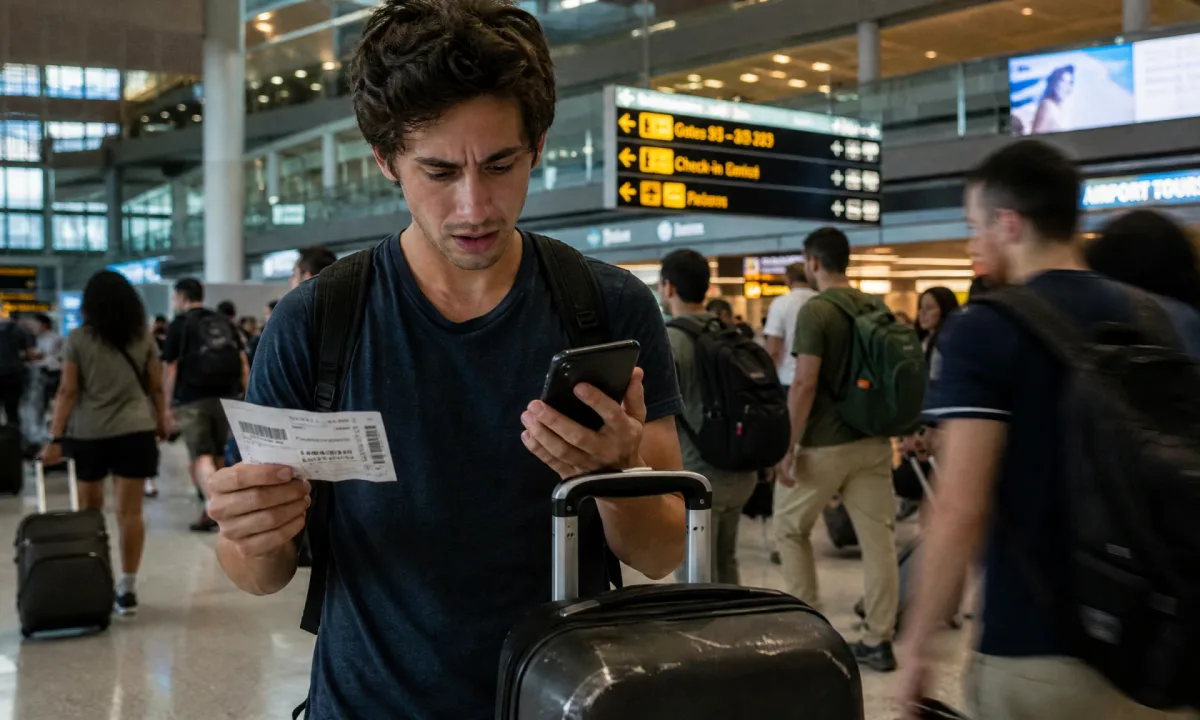
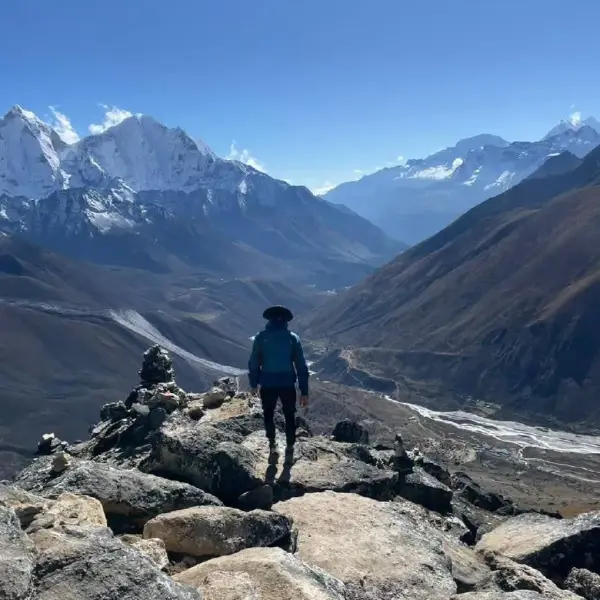
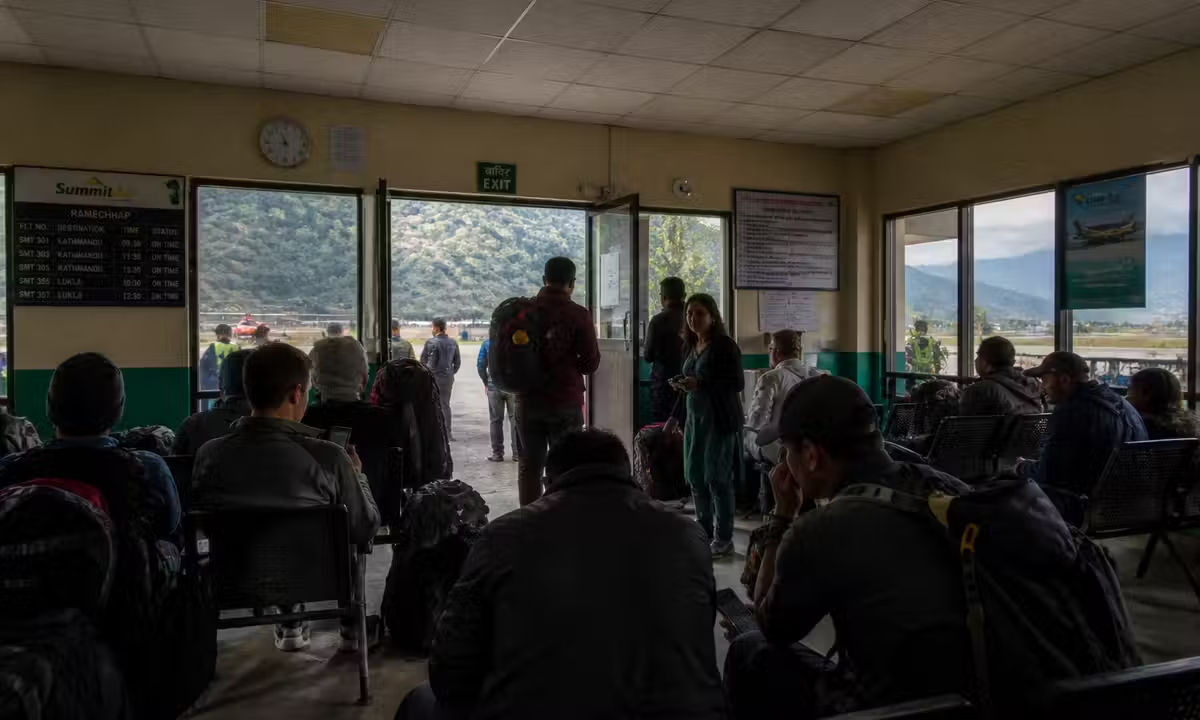
What was already a tight schedule started getting even tighter as flights began getting cancelled one after another, the dark, rumbling clouds refusing to let go of the skies over Nepal. Social media was doing what social media does, flooding our feeds with images and videos of travellers marooned at Ramechhap airport, waiting for the sky to make up its mind. After a couple of days clinging to the faint hope that tomorrow the skies might clear, the three passes had to be quietly erased from the itinerary. By the time we accepted that waiting any longer was its own kind of defeat, we decided we would go by land and do the Everest Base Camp trek the hard way. Our parents, I think, were quietly relieved. Lukla is among the most dangerous airports in the world, which is the sort of fact that sounds considerably more exciting after you have landed than before you board.
The Four-Thirty Jeep That Left at Six
A confident Reddit comment told us we could get a jeep from Chabahil, but we needed to be there by four thirty in the morning. We went there right on time, only to find the counter had not opened yet. After half an hour or so of idling around, we got our tickets. The plan was for the jeep to take us to Salleri, from which point the driver would arrange a four-wheeler to Thamdanda, a ticket we would have to pay for separately. It sounded inconvenient but not unreasonable, which is more or less how most travel arrangements in Nepal tend to go. And yeah, the Jeep probably left closer to six. My father had specifically told me to get the front seats, which we did not manage, perhaps on account of my inability to be assertive when it mattered. We were placed at the very back of the jeep, where the road is felt most intensely and where tall people discover that whoever designs public transport in this country does not consider them a constituency worth catering to.
The Back Seats, the Back Roads, the BP Highway
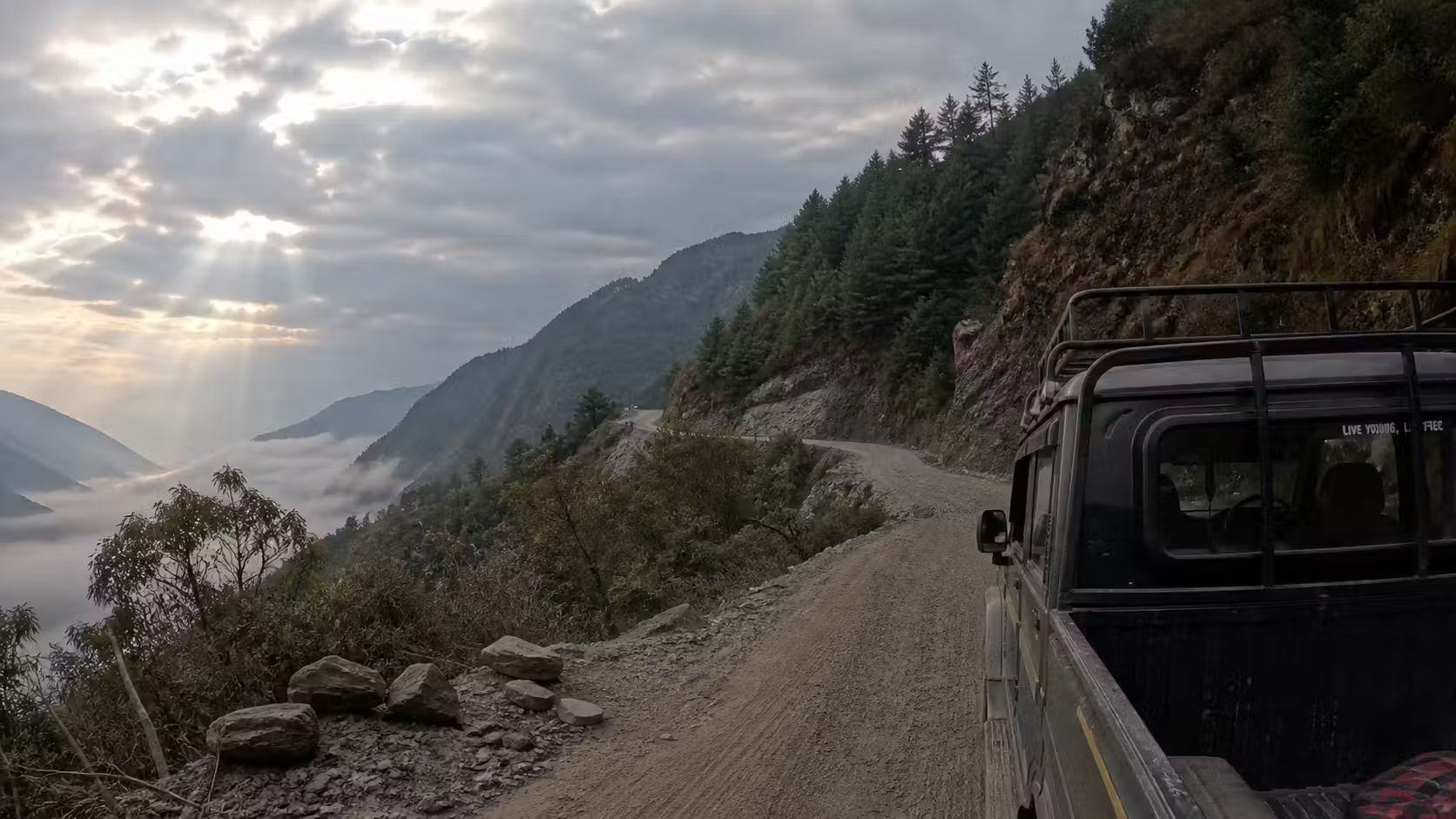
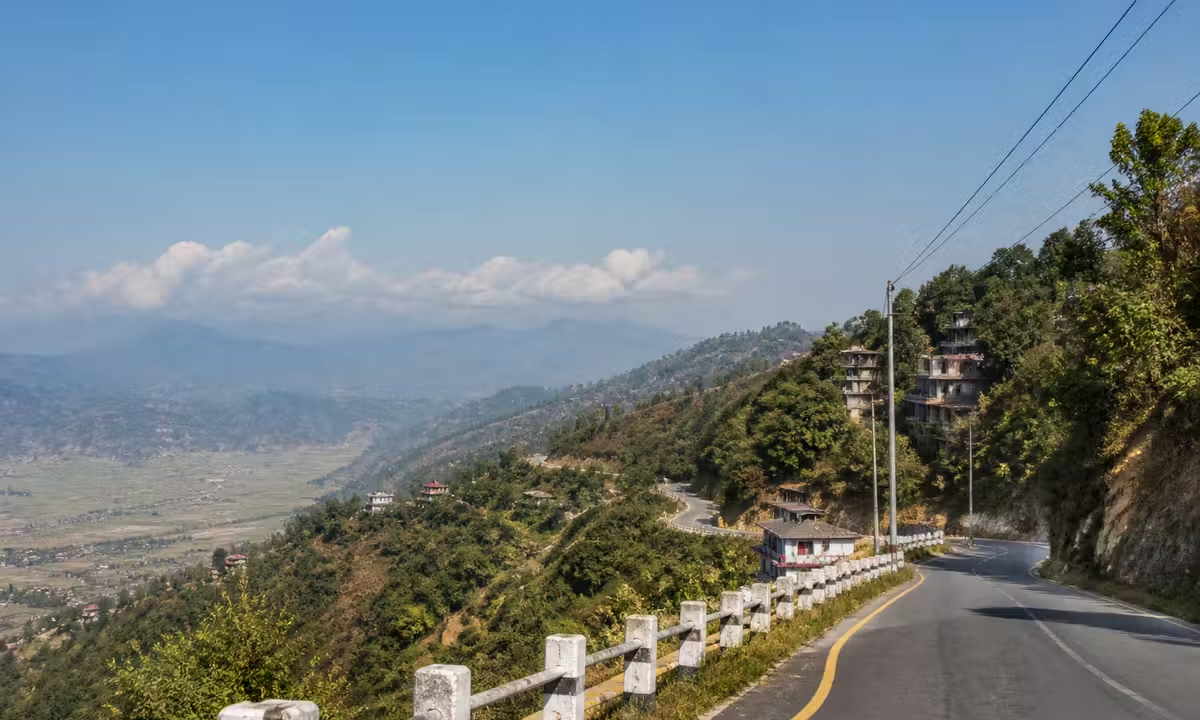
It was my first time going that far along the BP Highway, and I found I enjoyed it more than the Prithvi Highway to Pokhara. The stretch past Dhulikhel opened up in a way I had not expected, the hills rolling out generously, the sun, which had shown up with an irony given that we had abandoned the flight precisely because of its absence, making the winding roads through the settlements feel less like a detour and more like the journey itself.
The Drivers Who Owned Every Room They Walked Into
At the lunch stop, I watched the drivers walk in with the confidence of people who were known there, who could order anything from or beyond the menu with no concern about the price, whose very presence was its own form of currency. A driver who stops his vehicle at one establishment and not the other is, in that moment, the most consequential person in the room. It was there that we got talking to a trekking guide who had also summited a peak, a cheerful man who spoke about climbing so casually it sounded like a commute. The hard part of climbing a mountain, he said, was not the mountain itself. It was finding the money to attempt it.
"The hard part of climbing a mountain is not the mountain itself. It is finding the money to attempt it."
Salleri at Evening, and the Jeep That Wasn't Coming
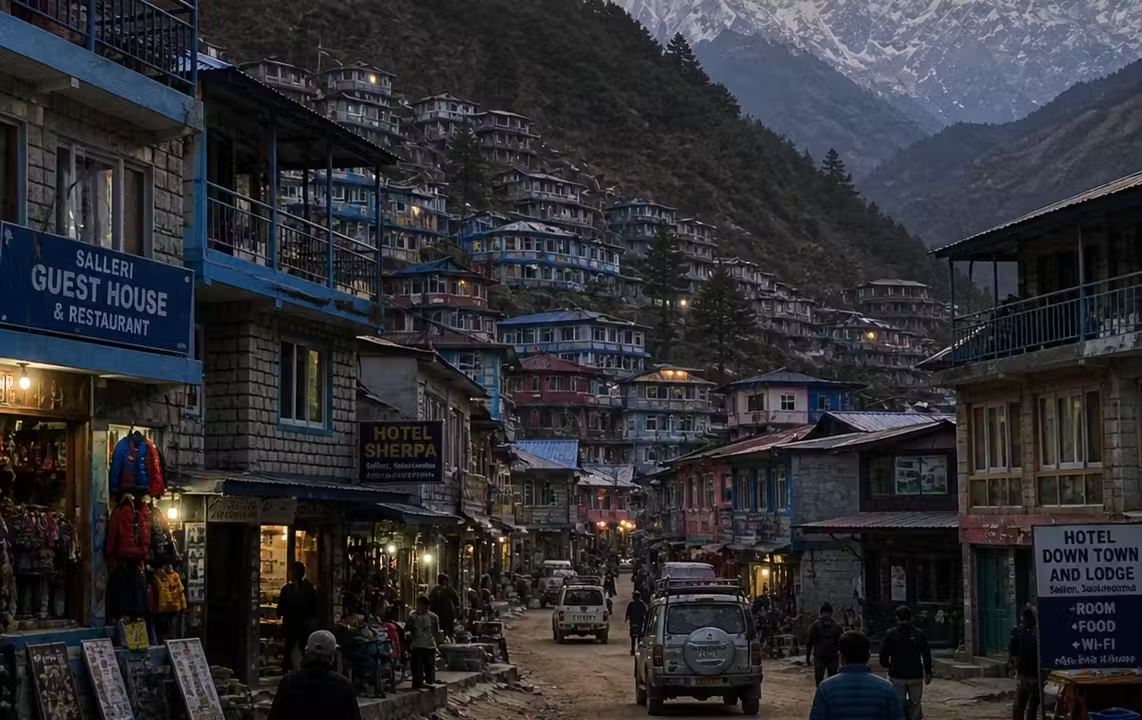
By the time we reached Salleri, evening had already set in, and within minutes of stepping out, it was clear we were not going to find a jeep to Thamdanda. The place was buzzing, with travellers moving from one end of the road to the other, stopping just about anyone to ask if they knew someone who might know someone with a jeep. Guides calling on other guides to see what arrangements they had made. Drivers are being asked whether the vehicle that had brought them there could manage the next stretch meant for four-wheelers. Some of the drivers looked tempted as the bids kept rising with each new arrival. Ours did not. I spotted him at a shop nearby, playing cards.
The Price of Leverage When You Have None
A guy from India we had befriended along the way, the kind of temporary companion one acquires on such trips and later forgets, exchanged numbers with us, and we promised to keep each other updated if anything came up. Later that night, an offer did materialise — a private jeep willing to take people to Thamdanda for a fee that, under normal circumstances, would have qualified as extortion as per the Ashika threshold. My cousin and I considered it briefly, negotiated with the conviction of people who had no real leverage, and lost. There were far too many others eager to pay. I found myself partly hoping the drivers, and not the bosses, were pocketing most of it. I know how little they earn on ordinary days. We messaged our new friend about the offer. He did not reply. We found out the next day that he had already left, presumably in the very jeep we had turned down.
The Stranger in the Unlocked Room
When we went to bed wanting nothing but the night to be over, the world had other plans. At some point in the night, the door to our room opened. It did not have a lock or had one that did not function; I could not tell which. Two people walked in, one shining a light toward the third bed, placed a traveller there with the demeanour of someone delivering a parcel, and left without a word. The traveller and I made brief eye contact in the dark, unable to exactly comprehend what was going on but not in the mood to prolong the night. Then we both went to sleep.
The Pickup Truck, the Open Air, and the Photographs
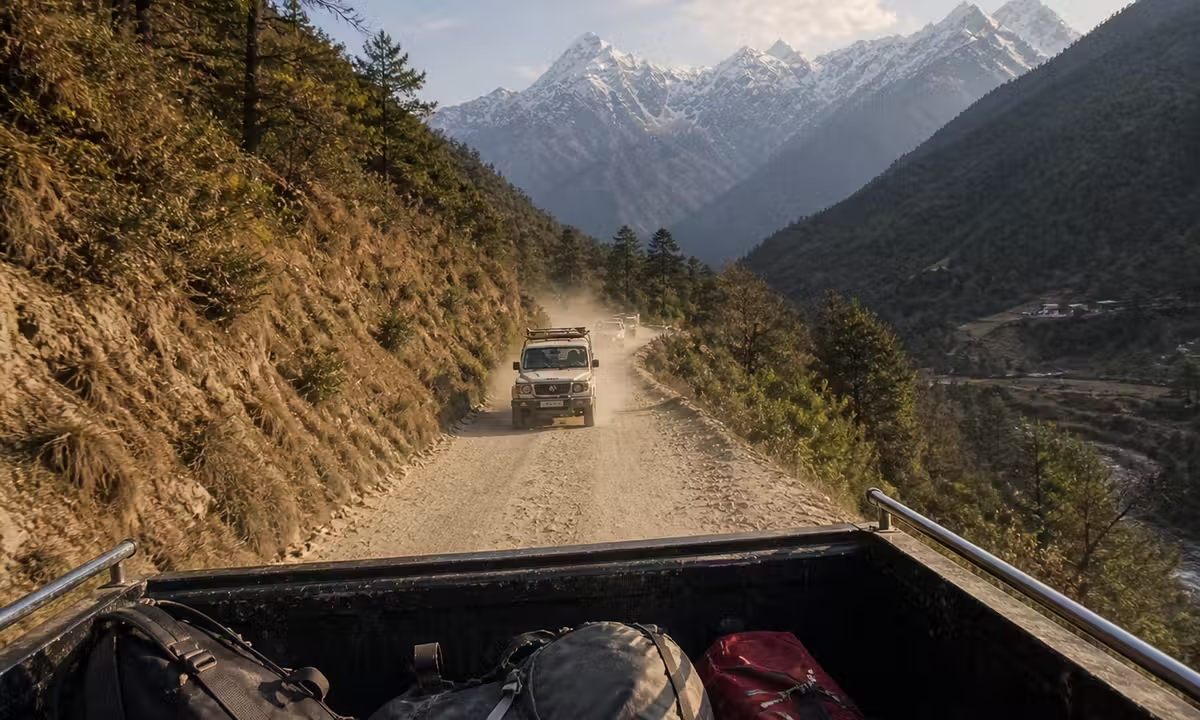
The next morning, the guesthouse arranged seats for us at the back of a pickup truck heading to Thamdanda. We sat in the open air while the jeeps behind us carried travellers who had paid more, were sitting inside, and were taking photographs of us through their windows. It was a fun experience, though. The fare was still expensive by any normal measure, but after the previous night's negotiations, it felt almost reasonable. That is perhaps the boon of a close encounter with extortionate pricing — it recalibrates your sense of what is fair. The trek had not even begun, and we had already collected our share of absurdities. But in the end, those are always the ones you cherish and remember longest.
Planning the Everest Base Camp trek?
Compare verified agencies, itineraries, and packages — whether you're flying into Lukla or going the hard way.
Frequently Asked Questions
Can you do Everest Base Camp without flying into Lukla?
Yes. The land route from Kathmandu via Salleri and Thamdanda is a real and valid option — particularly when the weather cancels flights, which happens regularly, especially in spring and autumn. It adds two days to the journey and requires jeep or pickup transport on rough mountain roads, but it gets you to the trailhead. Many trekkers who miss their Lukla flights end up taking this route.
How do you get a jeep from Kathmandu to Salleri?
Jeeps depart from Chabahil in Kathmandu, typically very early — between 4 and 6 AM. Arrive early to secure tickets and, if possible, negotiate for front seats. The journey to Salleri takes a full day along the BP Highway. From Salleri, separate transport to Thamdanda needs to be arranged, either through your driver or independently.
What is the BP Highway like as a route?
The BP Highway stretches east from Kathmandu through Dhulikhel and into the hills of the Solukhumbu region. It is a more scenic route than the Prithvi Highway to Pokhara, with rolling hills, terraced farmland, and views that open up past Dhulikhel. The road quality varies — better in parts closer to Kathmandu, rougher as you go further east. The back seats feel every bump.
Is the Everest Base Camp trek with three passes possible?
Yes, but it requires 20 or more days and careful planning around weather windows. The three passes — Kongma La, Cho La, and Renjo La — each cross above 5,000 metres and demand good acclimatisation. Spring and autumn are the standard windows. Flight availability to Lukla is the biggest variable — delays and cancellations are common, so build buffer days into the itinerary.
How far in advance should you book Lukla flights?
As far in advance as possible, especially for peak season in April and October. Even with confirmed bookings, weather cancellations are common. Booking the earliest flight of the day reduces cancellation risk. If flights are cancelled for more than one or two days, the land route via Salleri becomes the practical alternative.
What should you know about accommodation in Salleri?
Salleri is a regional hub with several guesthouses. Rooms are basic and, during high season when flights are disrupted, demand outstrips supply quickly. Arrive early in the evening if possible to secure a room before the rush of stranded travellers arrives. Check whether the door locks before settling in.
Sarans Pandey
www.facebook.com/saranspandey89Travel enthusiast and Travel writer
Comments
Join the conversation and share your thoughts.
Loading comments…