Trail Running vs Road Running: Key Differences Explained
Road vs trail running: which suits you? Compare shoes, muscles worked, injury risks, and pacing to find your perfect running adventure.


For many, running is more than just a physical activity; it's a fundamental way to stay fit, explore, and clear the mind. Yet, when it comes to choosing your running path, a significant fork appears: do you stick to the predictable pavement or venture onto the wilder trails? This article aims to demystify the debate of trail running vs road running, meticulously breaking down their core differences, unique benefits, and inherent challenges.
Whether you're a seasoned road runner curious about the allure of the dirt, or a complete beginner looking to lace up for the first time, understanding these distinctions is your crucial first step towards choosing the right adventure. This is especially pertinent if you dream of exploring Nepal's incredibly diverse and breathtaking landscapes, where both road and trail offer distinct experiences.
Defining the Terrain: Off-Road vs. Pavement
The most fundamental distinction between these two running disciplines lies in their respective environments.

Road Running: The Predictable Path
Road running, as its name suggests, typically takes place on man-made, hard surfaces such as asphalt, concrete sidewalks, paved roads, and track surfaces. The terrain is characterized by its general flatness, evenness, and consistent texture.
This predictability allows for a rhythmic, often monotonous, stride, which can be ideal for maintaining consistent pacing and executing focused speed work. The uniformity of the surface means fewer surprises underfoot, enabling runners to concentrate on their pace, form, and endurance without constant vigilance for obstacles.
Trail Running: Embracing the Wild
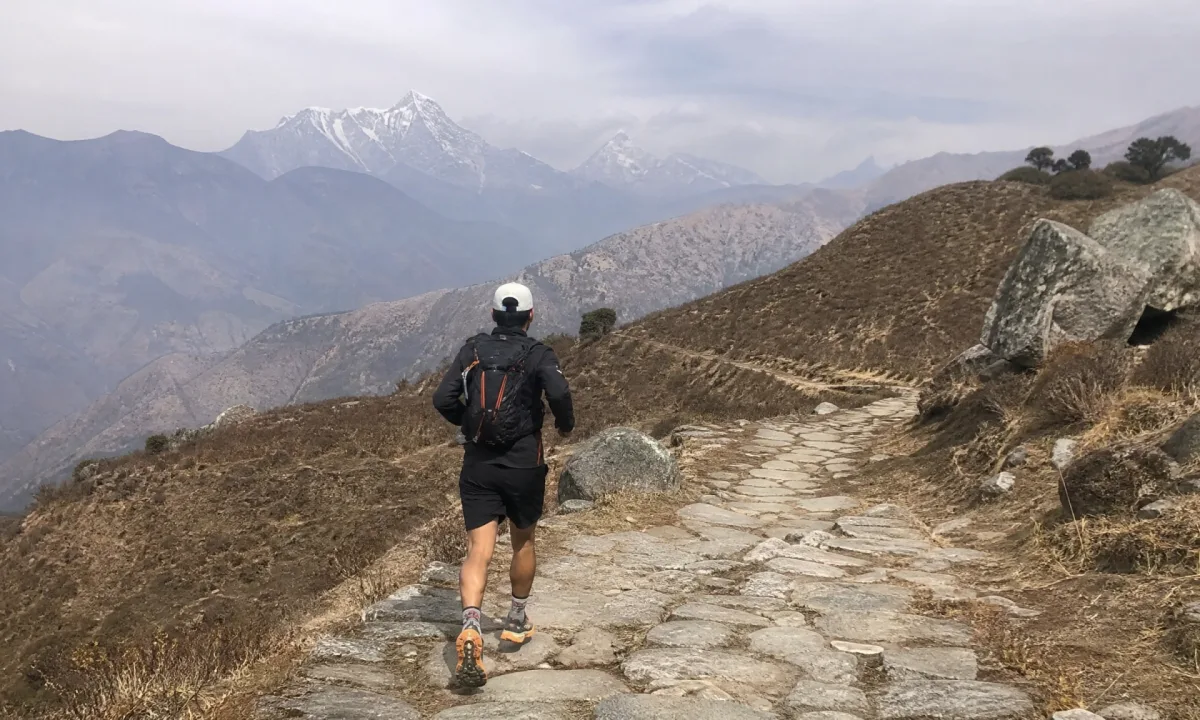
In stark contrast, trail running involves navigating unpaved surfaces that are inherently varied and often technical. These include dirt paths, loose gravel, rocky single tracks, winding forest trails, and challenging mountain routes. The very essence of off-road running vs pavement running is the constant demand for adaptability, balance, and heightened awareness of your immediate surroundings.
Every step can present a new challenge – a protruding root, a slippery rock, a sudden incline or decline. This dynamic environment transforms each run into an immersive experience in nature, where the runner must be fully present and engaged with the terrain.
Gear Up: Trail Running Shoes vs. Road Running Shoes
Your choice of trail running gears and footwear is arguably the most critical equipment decision, as it directly impacts performance, comfort, and safety across different terrains.

Footwear: Your Foundation
Road Running Shoes: These are meticulously designed for cushioning and shock absorption, specifically to mitigate the high, repetitive impact generated by running on hard, unyielding surfaces.
They typically feature smoother outsoles with minimal tread, optimized for grip on pavement, and prioritize lightweight construction to enhance speed and reduce fatigue over long distances. The upper materials are often breathable and flexible, offering comfort without the need for heavy-duty protection.
Trail Running Shoes: Built for an entirely different purpose, trail running shoes prioritize grip, protection, and stability on varied and often unpredictable terrain. Their most distinguishing feature is the aggressive lug patterns on the outsole, designed to bite into dirt, mud, and loose gravel, providing superior traction.
The uppers are typically reinforced with durable materials to protect against debris, rocks, and branches, and many models include a rock plate in the midsole for underfoot shielding against sharp objects. This robust construction makes them slightly heavier but significantly more protective and stable for off-road running.
Other Essential Gear
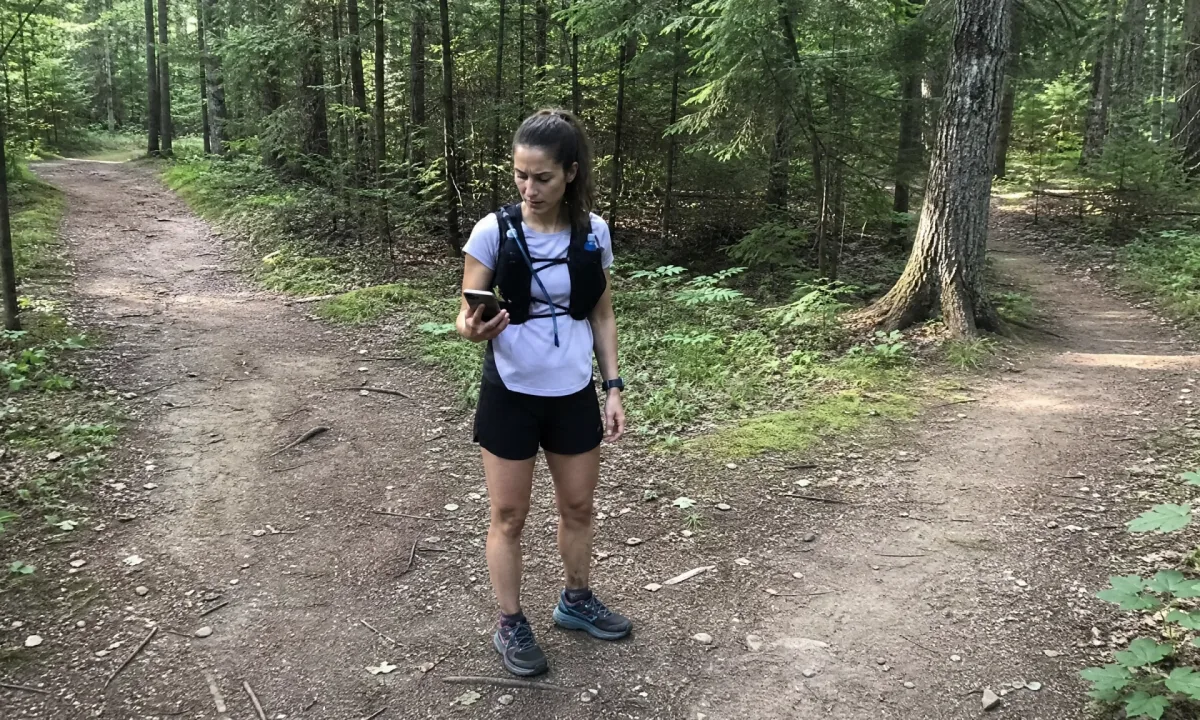
While road running often requires minimal gear; comfortable clothing, perhaps a watch, and a water bottle for longer runs; trail running demands a more comprehensive kit. For safety and self-sufficiency, especially on longer or more remote excursions, trail running often necessitates carrying hydration packs, navigation tools (GPS watch or map and compass), and weather-appropriate layers. The unpredictable nature of trails and mountain weather means being prepared for sudden changes is paramount.
Physical Demands: Impact, Muscles, and Injury Risk
The physical toll and benefits of trail running vs road running differ significantly, influencing muscle development and susceptibility to specific injuries.
Muscles Worked
Road Running: Primarily engages the same muscle groups in a repetitive, linear fashion, focusing on forward propulsion. While excellent for building cardiovascular endurance and leg strength, it can lead to imbalances if not supplemented with other forms of exercise.
Trail Running: Activates a much wider and more diverse range of muscles. The constant micro-adjustments required to navigate uneven ground engage stabilizing muscles in the ankles, knees, hips, and core far more intensely than road running. Steep ascents work the glutes and hamstrings, while technical descents demand eccentric quad strength. This holistic muscle engagement contributes to overall strength and agility, making trail running an excellent cross-training activity for road runners.
Impact on Joints and Injury Risk
Road Running: The high, repetitive impact on hard surfaces can lead to common overuse injuries such as shin splints, runner's knee, plantar fasciitis, and stress fractures. The consistent, predictable foot strike means the same joints and tissues absorb impact repeatedly.
Trail Running: Generally involves lower repetitive impact due to softer surfaces (dirt, grass) and varied foot strikes. The ground often has more give, absorbing some of the shock. However, off-road running carries a higher risk of acute injuries, such as sprains (especially ankles), trips, and falls, due to the technical and unpredictable nature of the terrain. Understanding this impact on joints and injury risk is crucial for proper preparation and injury prevention.
Pacing & Performance: Speed vs. Effort
The metrics of success and the approach to performance are distinctly different between the two disciplines.
Pace and Distance
Road Running: Performance is often measured by consistent pace and measurable distances, with a strong emphasis on achieving personal bests (PBs) over standard distances (5K, 10K, marathon). The uniform surface allows for precise tracking and comparison of performance.
Trail Running: Pace is highly variable and often secondary to effort and time on feet. A 10km trail run will almost always take significantly longer than a 10km road run due to elevation changes, technical terrain, and the need for careful foot placement. The focus shifts from speed per kilometer to the overall experience and the challenge of the terrain. This difference in trail running pacing strategy vs road running pacing strategy is fundamental.
Calorie Burn
Road Running: Burns calories efficiently, but the consistent motion can be less demanding on varied muscle groups, leading to a more predictable calorie expenditure.
Trail Running: Generally burns more calories per hour. The increased muscle recruitment, constant stabilization efforts, and frequent elevation changes (uphills and downhills) demand significantly more energy. This makes trail running an excellent option for those looking to maximize their calories burned trail running vs road running for fitness goals.
The Mental Aspect: Focus, Freedom, and Connection
Beyond the physical, the mental experience of trail running vs road running offers profound differences.
Mental Engagement
Road Running: Can be a meditative experience, allowing the mind to wander, or a highly focused endeavor for structured workouts. Many road runners use this time for reflection, planning, or listening to podcasts and music.
Trail Running: Demands constant presence and acute focus on the immediate terrain. You cannot zone out while navigating roots, rocks, and steep descents. This enforced mindfulness offers a powerful mental break from daily stressors, providing a unique form of active meditation and a deep sense of being present in the moment.
Connection with Nature
Road Running: Often takes place in urban or suburban environments, with views of buildings, traffic, and cityscapes.
Trail Running: Provides an unparalleled connection with nature. It offers solitude, fresh air, and stunning natural scenery, from dense forests to expansive mountain vistas. This immersion in the natural world is a primary draw for many off-road running enthusiasts, offering a profound sense of peace and rejuvenation.
Training Approaches: Tailoring Your Plan
Effective training for each discipline requires a distinct philosophy and set of exercises.
Training Philosophy
Road Running Training Plan: Typically emphasizes speed work (intervals, tempo runs), long runs on predictable surfaces to build endurance, and race-specific pacing. The focus is on improving efficiency and speed over consistent distances.
Trail Running Training Plan: Incorporates a broader range of elements. It includes strength training specifically for stability (ankles, core, hips), hill repeats to build power for ascents and control for descents, and technical skill development for navigating varied terrain. Longer efforts are often focused on time on feet rather than strict distance, preparing the body for the sustained demands of off-road running and the unpredictable nature of the trails. Understanding the nuances of a trail running training plan vs road running training plan is key to success and injury prevention.
Which One is Right for You?
The choice between trail running vs road running is deeply personal and depends on several factors:
- Consider Your Goals: Are you primarily chasing personal bests in races, or are you seeking adventure, mental escape, and a deeper connection with nature?
- Assess Your Environment: Do you have easy access to varied trails, or are roads and urban parks more convenient for your daily routine?
- Listen to Your Body: Are you prone to overuse injuries on pavement, or do you thrive on the challenge and varied demands of technical terrain?
- Try Both: Many runners find immense satisfaction in incorporating both disciplines into their routine, leveraging the unique benefits of each. Road running can build speed and endurance, while trail running enhances strength, agility, and mental resilience.
Transitioning from Road to Trail: Your Adventure with Travories

For those inspired to take their running off-road, especially in a destination as magnificent and diverse as Nepal, Travories can be your ultimate guide. Our platform connects you with verified local experts and specialized packages that can smoothly introduce you to the exhilarating world of trail running.
Complementing activities like trekking and fastpacking, Travories offers a range of options, from guided runs on beginner-friendly trails to comprehensive adventure packages designed to immerse you in Nepal's breathtaking natural beauty. Let us help you seamlessly transition from the predictable pavement to the awe-inspiring, challenging, and utterly rewarding paths of the Himalayas.
Conclusion
Ultimately, the choice between trail running vs road running boils down to personal preference, individual goals, and the kind of experience you seek from your miles. While road running offers the allure of speed, predictability, and measurable progress, off-road running provides a unique blend of physical challenge, profound mental engagement, and an unparalleled connection with the natural world.
Understanding these key differences empowers you to make an informed decision, gear up appropriately, and train effectively for whichever path you choose. Embrace the adventure, listen to your inner explorer, and let your feet carry you to new horizons, whether on the asphalt or deep within the wilderness.
Frequently Asked Questions (FAQs)
What are the main differences between trail running vs road running?
The main differences lie in the terrain, gear, physical demands, and mental engagement. Road running is on predictable, paved surfaces, while trail running is on varied, uneven off-road running paths. This impacts shoe design, muscle recruitment, injury risk, and pacing strategies.
How do trail running shoes vs road running shoes differ?
Road running shoes prioritize cushioning and lightweight design for hard, repetitive surfaces. Trail running shoes feature aggressive lug patterns for traction, reinforced uppers for protection, and often rock plates for underfoot shielding on uneven terrain.
Does trail running burn more calories than road running?
Generally, yes. Calories burned trail running vs road running tends to be higher in trail running due to increased muscle recruitment, constant stabilization efforts, and elevation changes, which demand more energy expenditure per hour.
What is the impact on joints and injury risk for each type of running?
Road running has a higher risk of overuse injuries due to repetitive impact on hard surfaces. Trail running has a lower repetitive impact due to softer, varied surfaces, but a higher risk of acute injuries like sprains and falls due as it is off-road running.
How does a trail running training plan vs road running training plan differ?
A road running training plan often focuses on consistent pace, speed work, and distance. A trail running training plan emphasizes strength training for stability, hill repeats, technical skill development, and time on feet rather than strict pace or distance, preparing for varied off-road running conditions.
Can I use road running shoes for trail running?
For very smooth, dry, and non-technical trails, you might. However, for anything with roots, rocks, mud, or significant elevation changes, road running shoes lack the necessary grip, protection, and stability, increasing your risk of falls and injury. It's always recommended to use appropriate trail running shoes for off-road running.
What are the mental benefits of trail running?
Trail running often provides a deeper connection with nature, offering solitude and fresh air. The need to focus on the technical terrain creates an enforced mindfulness, helping to clear the mind and reduce stress, making it a great escape from daily pressures.
Claire
www.travories.comTravel Writer
Comments
Join the conversation and share your thoughts.
Loading comments…