10 Trail Running Mistakes and How to Avoid Them
Beginner to expert these are the 10 trail running mistakes that cause injuries and burnout plus expert tips to run Nepal's trails safely.


1. Underestimating the Importance of Proper Gear
One of the most frequent trail running mistakes beginners make is venturing onto rugged terrain with inadequate footwear. Road running shoes, designed for flat, predictable surfaces, offer neither the grip nor the protection needed for trails. This can lead to dangerous slips, bruised feet, and a significant reduction in confidence and enjoyment.
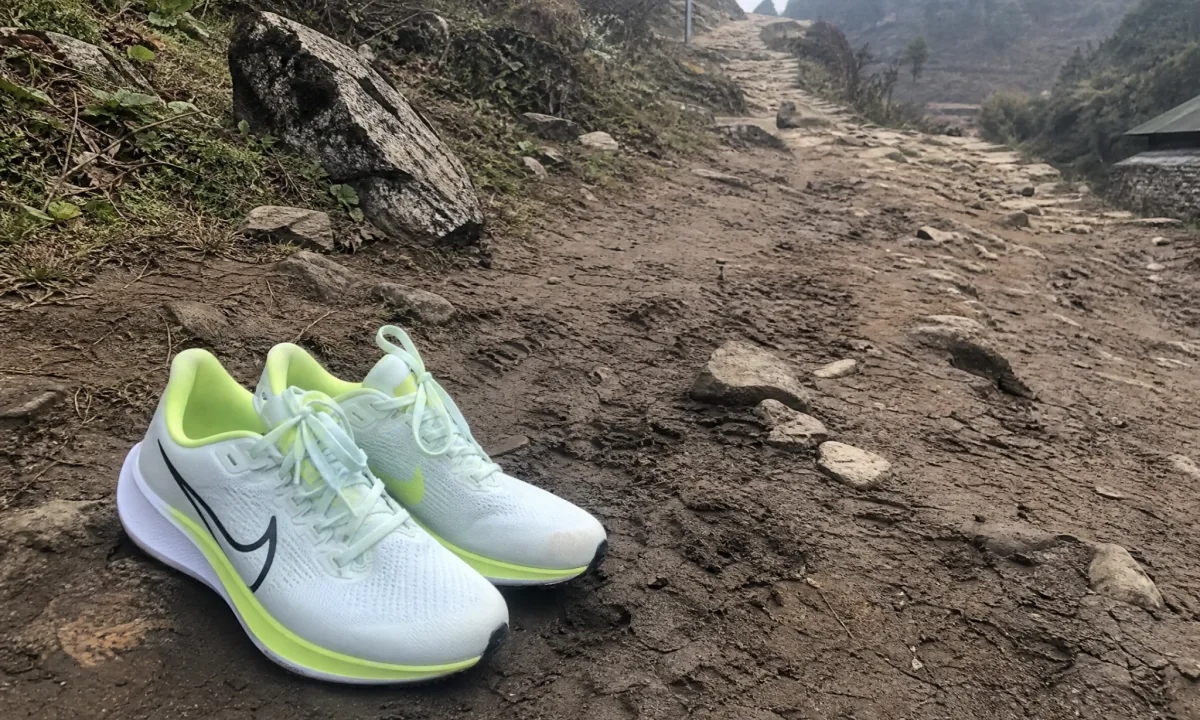
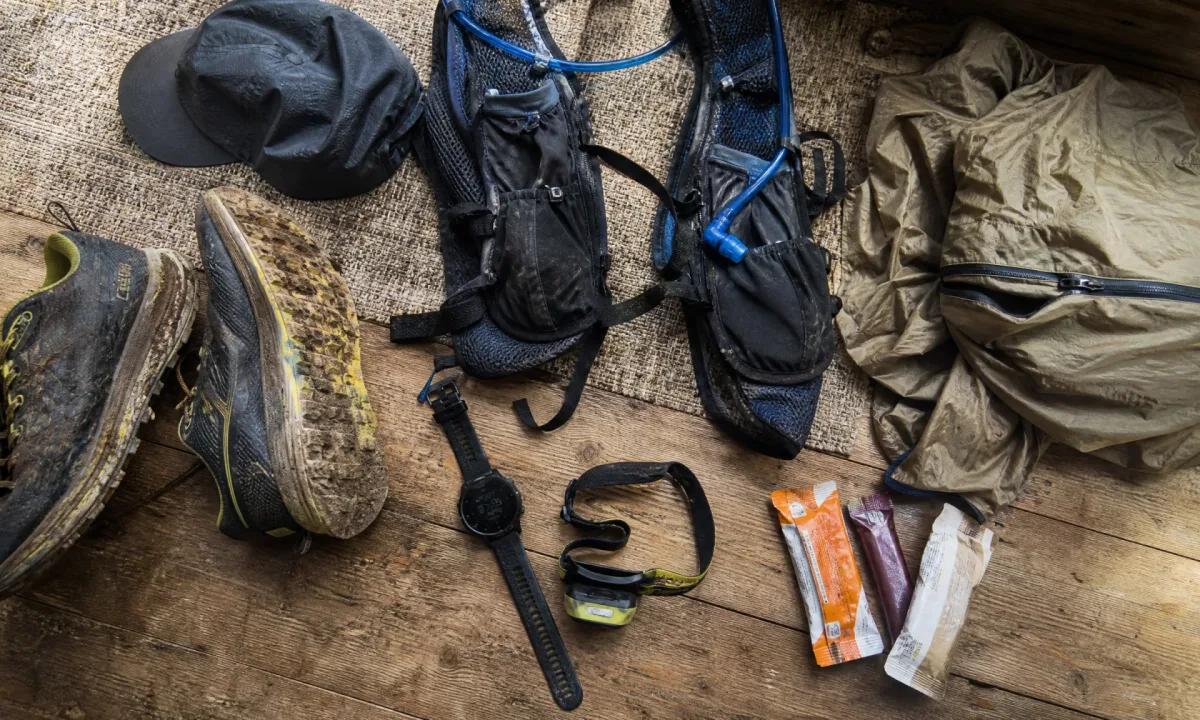
How to Avoid It: The foundation of a successful trail run is appropriate trail running shoes. Invest in a pair with aggressive outsoles for superior traction on mud, rocks, and loose dirt, reinforced uppers to protect against debris, and a rock plate for underfoot shielding. Beyond shoes, consider other essential trail running gears such as moisture-wicking clothing to manage sweat and temperature, and a hydration pack or vest for carrying water and essentials. Proper gear not only enhances performance but, more importantly, ensures safety and comfort on varied terrains.
2. Expecting Road Pace on Trails
Many runners transitioning from road to trail mistakenly try to maintain their road running speeds. This is a significant error, as the uneven, technical nature of trails, coupled with elevation changes, makes a direct comparison impossible. Pushing for road pace on trails quickly leads to exhaustion, frustration, and an increased risk of falls.
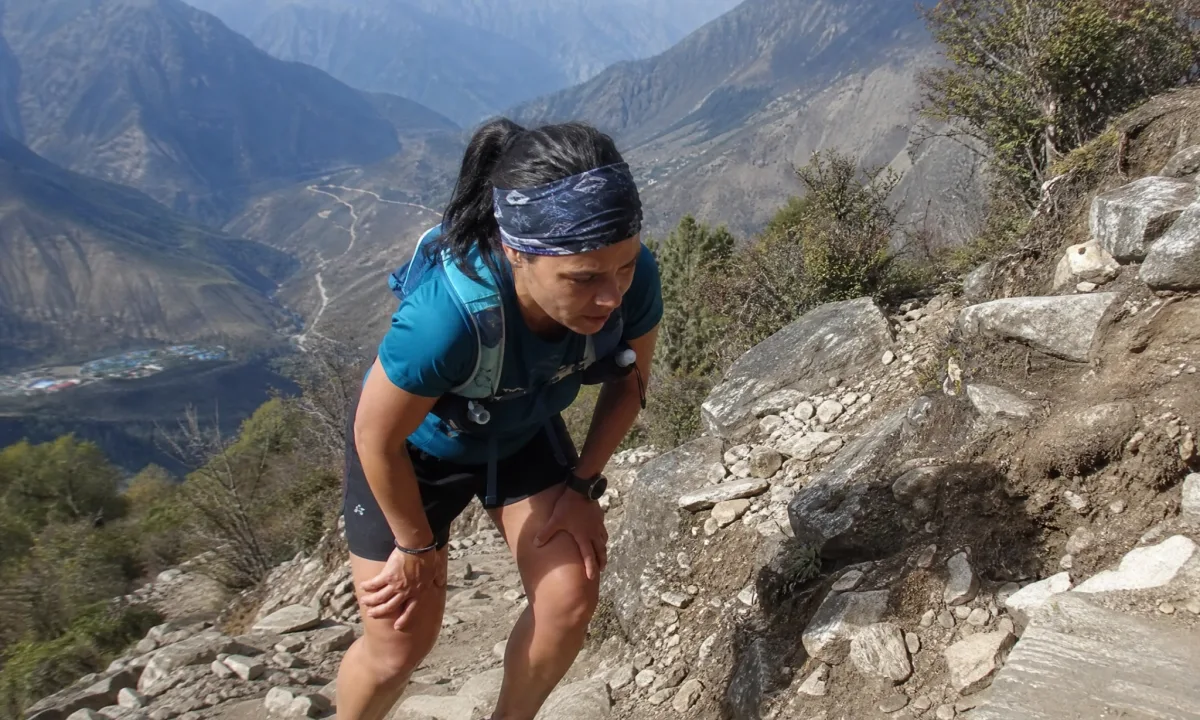
How to Avoid It: Understand that trail running vs road running demands a fundamentally different approach to pacing. On trails, the focus shifts from speed per kilometer to effort and time on feet. Embrace a slower trail running pacing strategy, allowing yourself to adapt to the terrain. Power hiking steep ascents is not a sign of weakness but a smart strategy to conserve energy and maintain efficiency, especially on long climbs common in mountain running.
3. Neglecting Uphill and Downhill Techniques
Inefficient uphill downhill running technique is another common pitfall. Many beginners either charge up hills, burning through energy too quickly, or descend cautiously and stiffly, increasing impact and the risk of falls. Both approaches are suboptimal for performance and safety.
How to Avoid It: Mastering uphill downhill running technique is crucial. For ascents, shorten your stride, maintain a slight forward lean, and use your arms for momentum. On steep sections, switch to a power hike. For descents, relax your body, keep your gaze a few feet ahead to anticipate terrain changes, and use quick, light steps to absorb impact. Practice these techniques on varied terrain to build confidence and efficiency.
4. Inadequate Nutrition and Hydration
Unlike shorter road runs, trail running often involves longer durations and higher energy expenditure due to the challenging terrain. Failing to adequately fuel and hydrate can lead to a sudden drop in energy (bonking), muscle cramps, and dehydration, which can be particularly dangerous in remote areas.

How to Avoid It: Develop a proper trail running nutrition and trail running hydration plan. For runs longer than an hour, carry easily digestible snacks like energy gels, chews, bars, or dried fruit, consuming small amounts regularly. Sip water or an electrolyte drink consistently, even before you feel thirsty. Practice your fueling strategy during training runs to discover what works best for your body and avoid gastrointestinal issues on race day.
5. Skipping Strength and Mobility Training
Many runners focus exclusively on mileage, overlooking the critical role of strength and mobility. Trail running demands more from your body than road running, requiring strong stabilizing muscles in your core, hips, and ankles to navigate uneven surfaces. Neglecting these areas significantly increases the risk of trail running injuries.
How to Avoid It: Incorporate regular strength and mobility work into your trail running training plan. Focus on exercises that target your core, glutes, hamstrings, and ankles, such as squats, lunges, single-leg balances, and calf raises. These exercises build the resilience needed to withstand the demands of off-road running and are vital for preventing common trail running injuries like sprains and strains.
6. Ignoring Route Planning and Safety Protocols
Heading out onto trails without proper planning is one of the most dangerous trail running mistakes. This includes not knowing your route, failing to check weather conditions, or neglecting to inform someone of your plans. In remote areas, these oversights can have serious consequences.
How to Avoid It: Always plan your route in advance. Utilize app like Strava to download maps for offline use, as cell service can be unreliable on trails. Check weather forecasts diligently and be prepared for sudden changes, especially in mountainous regions like Nepal. Always share your planned route and estimated return time with a friend or family member. Carry essential trail running safety tips gear, including a fully charged phone, a physical map and compass (and know how to use them), a basic first-aid kit, and extra layers.
7. Disregarding Trail Etiquette
Trails are shared spaces, and respecting other users and the environment is paramount. Ignoring established trail running etiquette can lead to conflicts, damage to natural habitats, and a diminished experience for everyone.
How to Avoid It: Familiarize yourself with and practice proper trail running etiquette. This includes yielding to hikers and horses (hikers typically yield to runners, but it's always polite to be aware), announcing your presence when approaching others from behind, and practicing Leave No Trace principles. Pack out everything you pack in, stay on marked trails to prevent erosion, and respect wildlife by maintaining a safe distance.
8. Overdoing It Too Soon (Especially for Beginners)
Eagerness can be a double-edged sword. Many trail running beginners make the mistake of jumping into long distances or highly technical trails before their bodies are adequately prepared. This often results in burnout, overuse injuries, or a negative first experience that discourages future participation.
How to Avoid It: Adopt a gradual progression. Start with shorter, less technical trails and slowly increase your distance, elevation, and technical difficulty over several weeks or months. Follow a structured trail running training plan that prioritizes consistency and adaptation. Listen to your body, and don't be afraid to walk or take rest days when needed. The trails will always be there.
9. Not Listening to Your Body (and Ignoring Pain)
One of the most critical trail running mistakes is pushing through pain. While some discomfort is normal during exercise, ignoring persistent aches or sharp pain can turn a minor issue into a debilitating trail running injury that sidelines you for weeks or months.
How to Avoid It: Develop a strong sense of body awareness. Learn to differentiate between muscle fatigue and pain. If something feels consistently wrong, take a rest day or cross-train. Don't hesitate to seek advice from a healthcare professional or a running coach if pain persists. Prioritizing recovery and addressing issues early is key to long-term enjoyment and injury prevention.
10. Getting Distracted by Scenery (and Tripping)
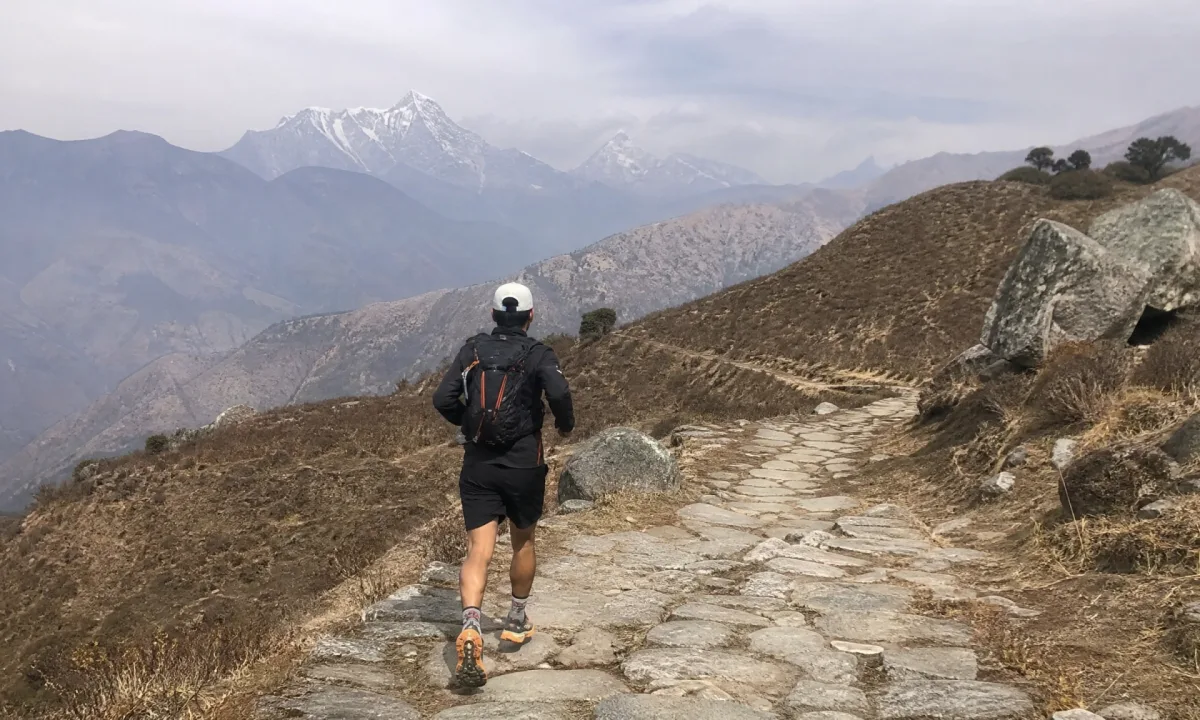
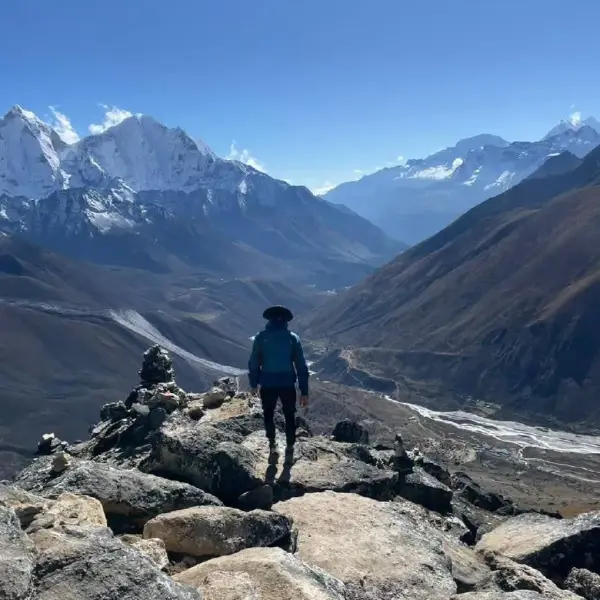
The beauty of nature running is often a primary draw, especially in stunning locations like Nepal. However, getting too absorbed in the panoramic views while running can lead to a lack of focus on the immediate trail, resulting in trips and falls.
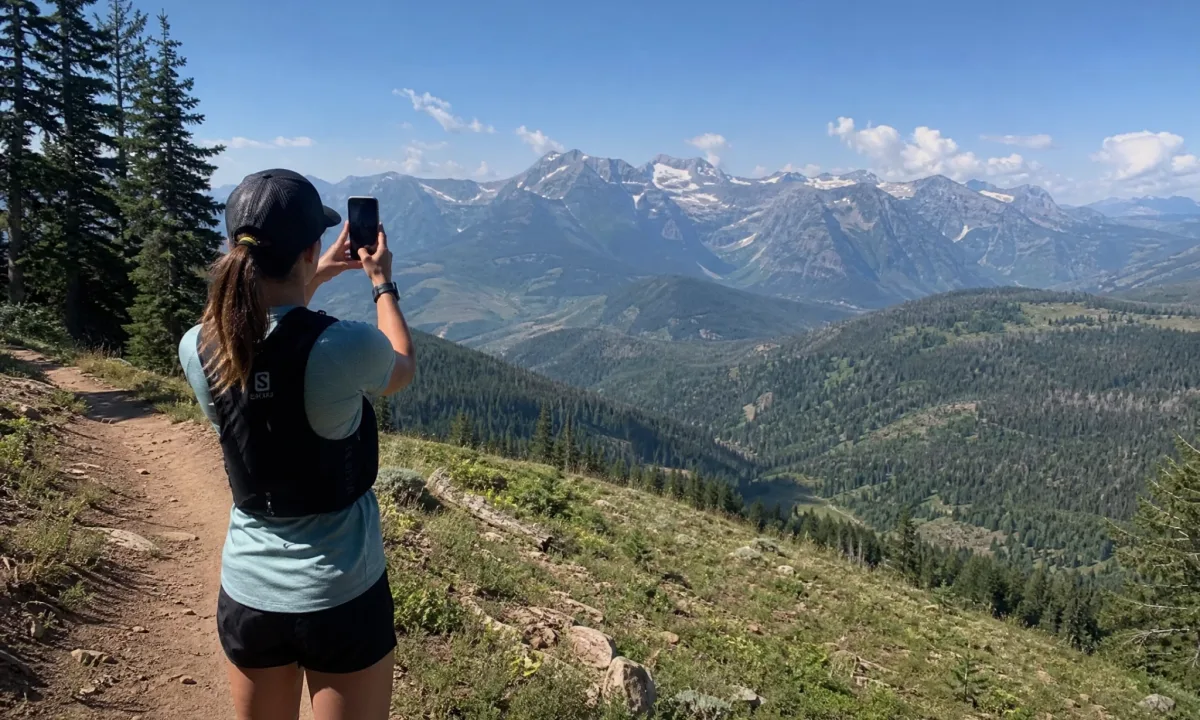
How to Avoid It: While it's essential to appreciate your surroundings, practice keeping your gaze a few feet ahead on the trail to anticipate obstacles like rocks, roots, and uneven ground. If you want to fully admire a view or take a photo, stop completely. This simple habit can prevent many falls and ensure you enjoy both the run and the scenery safely.
Conclusion
Trail running offers an unparalleled sense of freedom, adventure, and connection with the natural world. By being aware of these common trail running mistakes and actively implementing strategies on how to avoid them, you can significantly enhance your experience.
From choosing the right trail running gear to respecting trail running etiquette and listening to your body, every step you take on the trail can be a step towards a more fulfilling and injury-free journey.
With awareness and preparation, your trail running adventures, especially amidst the majestic landscapes of Nepal, can be incredibly rewarding. Explore Nepal's trails safely and confidently. Visit Travories for trekking and adventure packages that complement your trail running aspirations.
Frequently Asked Questions (FAQs)
Why can't I use my road running shoes for trail running?
Road running shoes lack the aggressive tread patterns, reinforced uppers, and protective features (like rock plates) found in trail running shoes. Using them on trails can lead to slips, insufficient foot protection, and an increased risk of injury due to the uneven and often technical terrain.
How is trail running pacing strategy different from road running?
In trail running, pacing is more about effort and time on feet rather than maintaining a consistent speed per kilometer. Due to varied terrain and elevation, your pace will fluctuate significantly. It's often more efficient to power hike steep uphills to conserve energy.
What kind of strength training is important for trail runners?
For trail running, focus on strengthening your core, glutes, hamstrings, and ankles. Exercises like squats, lunges, single-leg balances, and calf raises are crucial for improving stability, preventing trail running injuries, and enhancing your ability to navigate technical terrain.
What are some key trail running safety tips?
Always plan your route, check weather forecasts, and inform someone of your plans. Carry essential gear like a charged phone, map, basic first-aid kit, and extra layers. Stay on marked trails, respect wildlife, and know your physical limits.
How can I avoid trail running injuries?
To avoid trail running injuries, ensure you have proper trail running gear, gradually increase your mileage and technical difficulty, incorporate strength and mobility training, listen to your body and rest when needed, and practice good uphill downhill running technique.
Is trail running in Nepal suitable for beginners?
Yes, trail running in Nepal offers options for all levels. While some trails are very challenging, there are many beginner-friendly routes around areas like Kathmandu Valley and Pokhara that provide stunning scenery and manageable terrain to help new runners get started.
What is trail running etiquette?
Trail running etiquette includes yielding to hikers and horses, announcing your presence when passing others, staying on marked trails, practicing Leave No Trace principles (packing out all trash), and respecting wildlife and local customs.
Traveller and Co-founder of Travories.
Comments
Join the conversation and share your thoughts.
Loading comments…