Best Trail Running Routes In Nepal
Explore the best trail running routes in Nepal, from Everest and Annapurna to Shivapuri. Discover distances, difficulty, seasons, tips, and races.

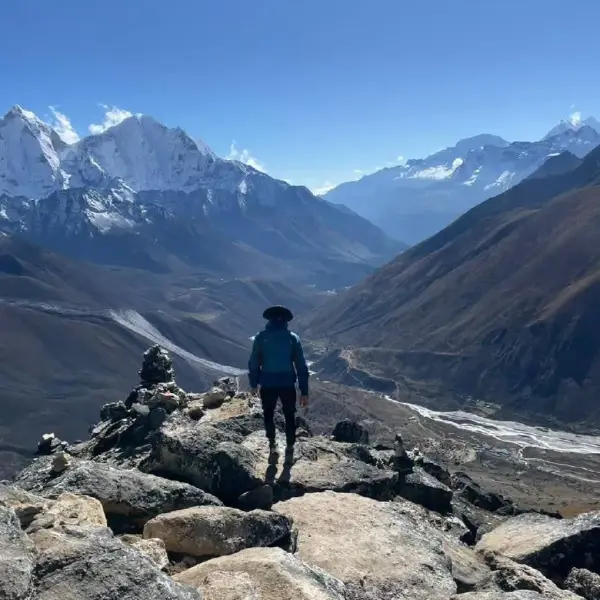
Nepal’s diverse landscapes provide thrilling challenges with incredible views for runners seeking adventure. Many of Nepal's trail running routes reach elevations above 3,000 m (9,800 ft), where altitude sickness becomes a real risk. Proper acclimatization, hydration, and pacing are essential, especially on routes that exceed 4,000 m.
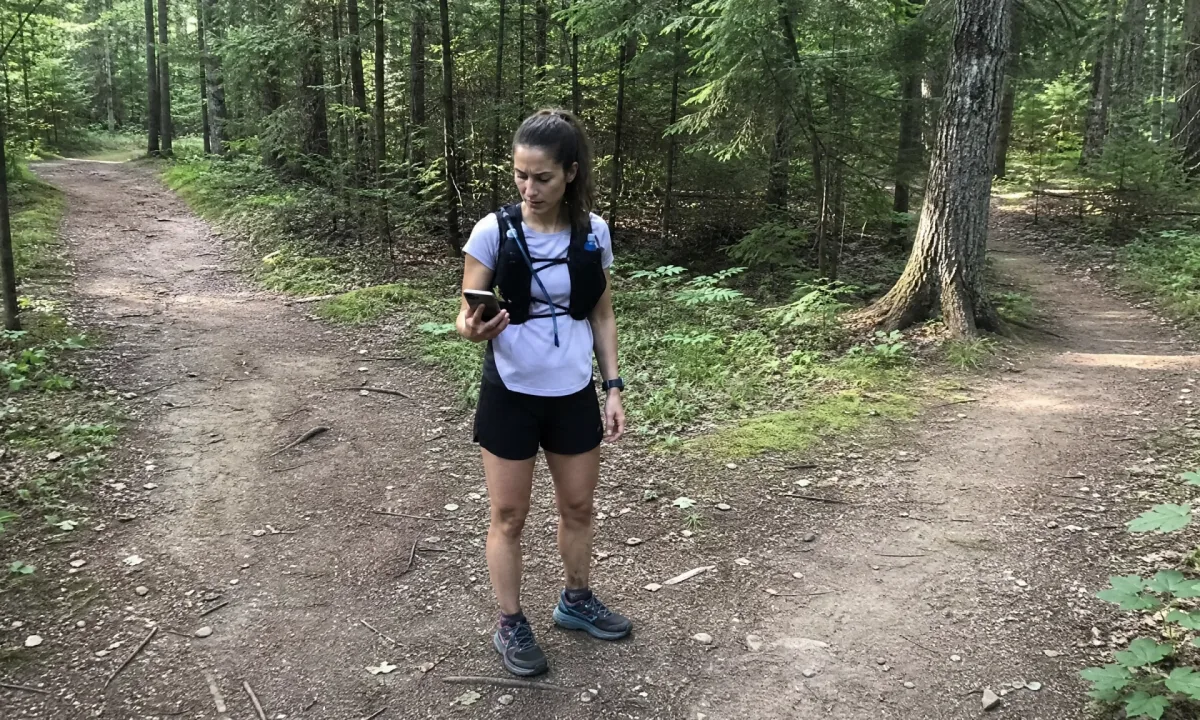
This guide highlights some of the best trail running routes in Nepal, with practical information to help you choose the right trail and enjoy a safe, memorable adventure.
Manaslu Circuit
The Manaslu Circuit is one of Nepal's most rewarding long-distance trail running routes. Circling Mount Manaslu, the world's eighth-highest mountain, this trail offers a quieter alternative to the Annapurna and Everest regions.
The Manaslu Circuit offers a challenging yet incredibly rewarding trail running experience, crossing the Larkya La Pass at over 5,000 meters. Runners will encounter traditional villages, suspension bridges, and stunning views of the Manaslu range along with Himlung Himal, Cheo Himal, and neighboring peaks.
- Distance: Approximately 165–180 km
- Highest point: Larkya La Pass (5,160 m / 16,929 ft)
- Difficulty: Difficult
- Best seasons: Autumn (September-November) and Spring (March-May)
Ama Yangri
Ama Yangri is a relatively shorter but highly rewarding high-altitude trail for trail runners seeking a challenging day run with exceptional Himalayan views. The Ama Yangri trail leads to the summit of Ama Yangri Peak, offering panoramic views of the Langtang range and surrounding hills. It's a fantastic option for those looking for a challenging ascent with incredible vistas without committing to a multi-week expedition.
Ama Yangri is ideal for runners who want a high-altitude mountain experience without committing to a multi-day expedition. Local tea houses in nearby villages provide convenient accommodation, making it suitable for both weekend adventures and training runs.
- Distance: Approximately 12–14 km (Round trip)
- Highest point: Ama Yangri Peak (3,771 m / 12,372 ft)
- Difficulty: Moderate to Difficult
- Best seasons: Spring (March-May) and Autumn (September-November)
Kathmandu Valley Rim Trail
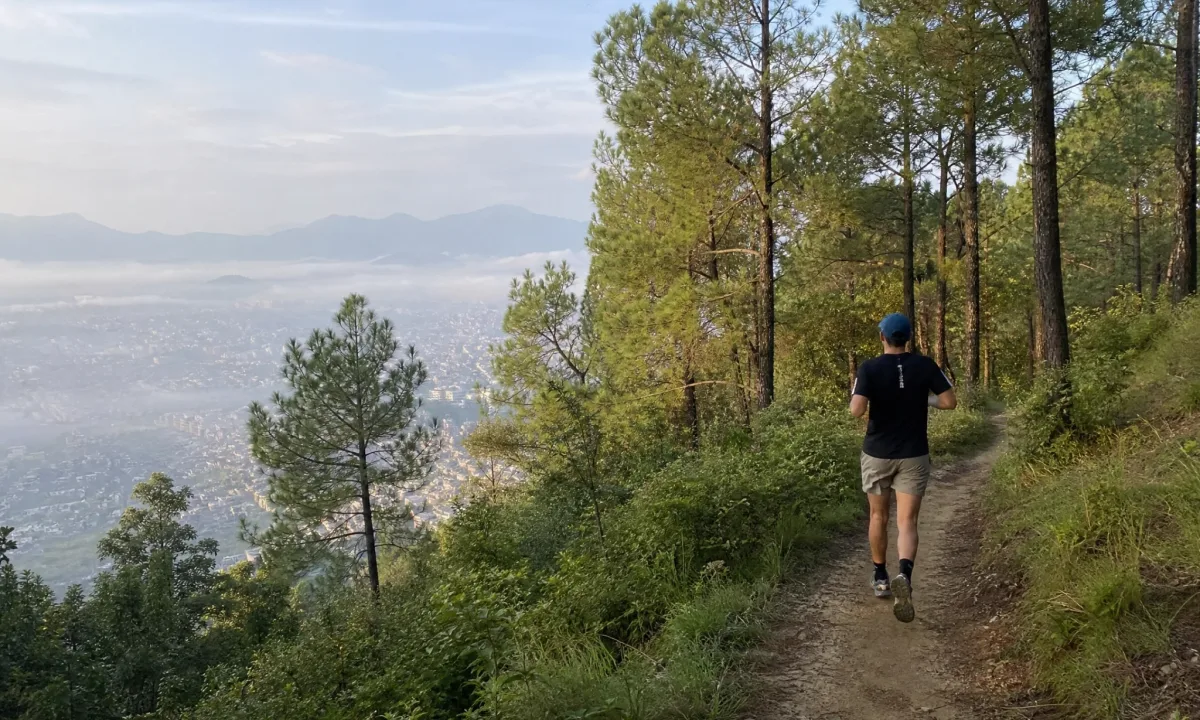
The Kathmandu Valley Rim Trail offers a fantastic introduction to trail running in Nepal, running around the capital city through its surrounding hills. The trail can be completed as a multi-day adventure or divided into shorter sections depending on your fitness level. Many parts are runnable, with a mix of dirt trails, forest paths, stone staircases, and village roads.
It's a popular route for local runners and offers stunning views of the Himalayas on clear days, along with cultural landmarks, traditional settlements, and peaceful forests.
- Distance: Approximately 160–170 km (full loop)
- Highest point: Shivapuri Peak (2,732 m / 8,963 ft)
- Difficulty: Moderate to Very Difficult (depending on section/length)
- Best seasons: Spring and Autumn (ideal for racing), Year-round for shorter sections
Shivapuri Peak
The Shivapuri Peak trail is a classic trail run easily accessible from Kathmandu. It is one of the most popular trail running destinations near Kathmandu. It's an excellent option for a single day trail running, where runners can enjoy views of Langtang, Ganesh Himal, Dorje Lakpa, and the Kathmandu Valley on clear days.
Since the route lies inside a national park, visitors must pay an entrance fee. You must carry enough water, as facilities become limited once you enter the park. Shivapuri Peak trail offers trail running for beginners looking to build strength, improve climbing fitness, or prepare for longer Himalayan adventures.
- Distance: Year-round (except heavy monsoon)
- Highest point: Shivapuri Peak (2,732 m / 8,963 ft)
- Difficulty: Moderate
- Best seasons: October to March
Gosaikunda Lake
Gosaikunda Lake offers one of Nepal's most scenic high-altitude trail running experiences. The route follows the famous Langtang trekking trail through forests, mountain villages, and alpine meadows before reaching the sacred glacial lakes surrounded by rugged Himalayan peaks.
The trail involves significant elevation gain and technical sections, making it a challenging but deeply rewarding experience for trail runners seeking both natural beauty and cultural insight. Since the trail reaches well above 4,000 meters, proper acclimatization is highly recommended.
The route lies within Langtang National Park, so an entry permit is required before starting the run.
- Distance: Approximately 28–35 km (round trip from Dhunche)
- Highest point: Gosaikunda Lake (4,380 m / 14,370 ft), Lauribina La Pass (4,610 m / 15,125 ft)
- Difficulty: Moderate to Strenuous
- Best seasons: Spring (March-May) and Autumn (September-November)
Langtang Valley
Langtang Valley is one of Nepal's classic mountain routes, offering an excellent balance of accessibility, scenery, and trail running opportunities. This route is known for its rich Tamang culture, vibrant rhododendron forests, and stunning glacial views. Most of the lower sections are comfortably runnable, especially between villages, while the higher elevations become steeper and more technical. Since the trail reaches nearly 5,000 meters, pacing yourself and allowing time for acclimatization are essential.
- Distance: Approximately 65–80 km (Round trip)
- Highest point: Kyanjin Ri (4,773 m) or Tserko Ri (4,984 m)
- Difficulty: Moderate to Difficult
- Best seasons: Spring (March-May) and Autumn (September-November)
Mardi Himal
Mardi Himal has become one of Nepal's favorite short Himalayan adventures, and it is equally rewarding for trail runners. The route climbs through lush forests before emerging onto narrow ridges, offering spectacular close-up views of Machhapuchhre (Fishtail), Mardi Himal, and Annapurna South.
The route is well supported by tea houses, allowing runners to complete the journey comfortably over two to four days. Compared to some of Nepal's longer treks, Mardi Himal requires less time while still delivering an authentic high-mountain experience.
- Distance: Approximately 40-50 km (depending on starting point)
- Highest point: Mardi Himal Viewpoint (4,500 m / 14,764 ft)
- Difficulty: Moderate to Difficult
- Best seasons: Autumn (September-November) and Spring (March-May)
Annapurna Base Camp
The Annapurna Base Camp (ABC) trail is a classic Himalayan journey that can be adapted for trail running. The route passes through terraced farmland, bamboo forests, rhododendron woodlands, traditional Gurung villages, and alpine landscapes before entering the Annapurna Sanctuary. The route offers incredible views of some of the world's highest peaks, including Annapurna I, Machhapuchhre, and Hiunchuli.
Although the trail is one of Nepal's most popular trekking routes, starting early in the morning allows runners to enjoy quieter trails and cooler temperatures. An Annapurna Conservation Area Permit (ACAP) is required before entering the region.
- Distance: Approximately 80.5 km (50 miles) round trip
- Highest point: Annapurna Base Camp (4,130 m / 13,550 ft)
- Difficulty: Moderate to Difficult
- Best seasons: Spring (March-May) and Autumn (September-November)
Annapurna Circuit
The Annapurna Circuit is one of the most famous treks in the world, and its vast network of trails makes it an epic destination for trail runners. It is one of the world's classic long-distance mountain trails around Annapurna massif, offering an incredible variety of landscapes, cultures, and altitudes. For experienced trail runners, it offers an unforgettable multi-day challenge.
Crossing the Thorong La Pass is a major highlight, a true high-alpine running challenge. Proper acclimatization is essential, as the route spends several days above 3,500 meters. Along the way, you'll experience diverse cultures, visit ancient monasteries, and enjoy ever-changing views of Annapurna II, Annapurna III, Gangapurna, Tilicho Peak, Dhaulagiri, and Nilgiri.
- Distance: Approximately 160-230 km (100-145 miles)
- Highest point: Thorong La Pass (5,416 m / 17,769 ft)
- Difficulty: Difficult
- Best seasons: Autumn (October-November) and Spring (April-May)
Everest Base Camp
Everest Base Camp is arguably Nepal's most famous mountain route and a dream destination for trail runners from around the world. While primarily known as a trekking route, the Everest Base Camp (EBC) trail can quite be a challenge for experienced trail runners too. This iconic journey takes you deep into the Khumbu Valley, through Sherpa villages, Buddhist monasteries, and stunning glacial landscapes, leading to the foot of Mount Everest.
Most runners include Kala Patthar in their itinerary, as it offers the best close-up views of Mount Everest, Nuptse, Pumori, and the Khumbu Glacier. Reaching this viewpoint is often considered the highlight of the journey.
Visitors must obtain the Sagarmatha National Park Entry Permit and the Khumbu Pasang Lhamu Rural Municipality Permit before beginning the trek.
- Distance: Approximately 130 km (80 miles) round trip
- Highest point: Kala Patthar (5,643 m / 18,514 ft) or Everest Base Camp (5,364 m / 17,598 ft)
- Difficulty: Very Difficult
- Best seasons: Spring (March-May) and Autumn (October-November)
Trail Running in Nepal: Events
Trail running has grown rapidly in Nepal over the past few years, attracting runners from around the world who want to experience the Himalayas beyond traditional trekking. The country's extensive network of trekking trails creates ideal conditions for both recreational runners and endurance athletes.
Nepal hosts several internationally recognized trail running events that attract athletes from around the globe. If you'd rather race than run independently, these events offer a unique way to experience the Himalayas and test your limits:
| Event Name | Dates | Description |
|---|---|---|
| Manjushree Trail Race | Held annually in April | A prominent trail running event near Kathmandu, featuring distances from 10 km up to Nepal's only 100-mile race. |
| Everest Marathon | Held annually on May | Known as the world's highest marathon, starting near Everest Base Camp. A challenging race at extreme altitude, often combined with an Everest trekking package. |
| Mustang Trail Race | March 28 | An 8-stage, 170 km high-altitude race through the culturally rich Upper Mustang region. |
| Annapurna 100 | September 27 | Nepal's original ultra, redesigned for 2026 to start at Annapurna Base Camp and finish in Pokhara, offering a true 100 km mountain ultra. |
| Manaslu Trail Race | November 7–19 | A 7-stage, approximately 140 km race around the Manaslu Circuit, crossing the iconic Larkya La Pass. |
| Pokhara Ultra | Late November | Offers multiple race distances (5K to 100K) above the Pokhara Valley, with spectacular views of the Annapurna mountain range. |
Best Seasons
Choosing the right season can make a significant difference to your trail running experience in Nepal. Weather, trail conditions, visibility, and temperature all vary throughout the year.
- Spring (March to May) is one of the best times for trail running. The weather is generally stable, temperatures are comfortable, and rhododendron forests bloom across the hills. Mountain views are often excellent, making it an ideal season for routes like Annapurna Base Camp, Langtang Valley, Mardi Himal, and Everest Base Camp.
- Autumn (September to November) is considered the peak season for both trekking and trail running. After the monsoon, the skies are usually clear, the trails are dry, and visibility is outstanding. This season offers the best conditions for high-altitude routes, including the Annapurna Circuit, Manaslu Circuit, and Gosaikunda.
- Winter (December to February) is suitable for lower-elevation routes such as Shivapuri Peak, Ama Yangri, and the Kathmandu Valley Rim Trail. However, higher mountain passes and alpine trails often receive heavy snowfall, making some routes difficult or unsafe.
- Monsoon (June to August) is generally the least favorable season. Frequent rainfall can make trails muddy and slippery, while clouds often reduce mountain visibility. Lee-side regions such as Upper Mustang receive less rainfall and remain good options for experienced trail runners during this period.
Top Reasons to Trail Run in Nepal
Nepal offers far more than impressive mountain scenery. Every trail combines natural beauty, cultural experiences, and physical challenge, making each run unique.
Some of the top reasons to choose Nepal for trail running include:
- Incredible Himalayan views featuring many of the world's highest mountains.
- Hundreds of well-established trekking trails suitable for both day runs and multi-day adventures.
- A wide variety of terrain, including forests, alpine meadows, rocky ridges, suspension bridges, glacial valleys, and mountain passes.
- Comfortable tea houses along major routes, allowing runners to travel with lighter packs.
- Rich cultural experiences through Sherpa, Gurung, Tamang, Tibetan, and other Himalayan communities.
- Opportunities to participate in internationally recognized trail races and mountain marathons.
- Trails suitable for beginners, intermediate runners, and experienced ultra-distance athletes.
- Affordable travel costs compared to many other international mountain running destinations.
- Easy access to both remote Himalayan adventures and shorter trails near Kathmandu and Pokhara.
Trail Running Tips for Nepal
- Acclimatize properly before running above 3,000 m.
- Check weather forecasts before heading into the mountains.
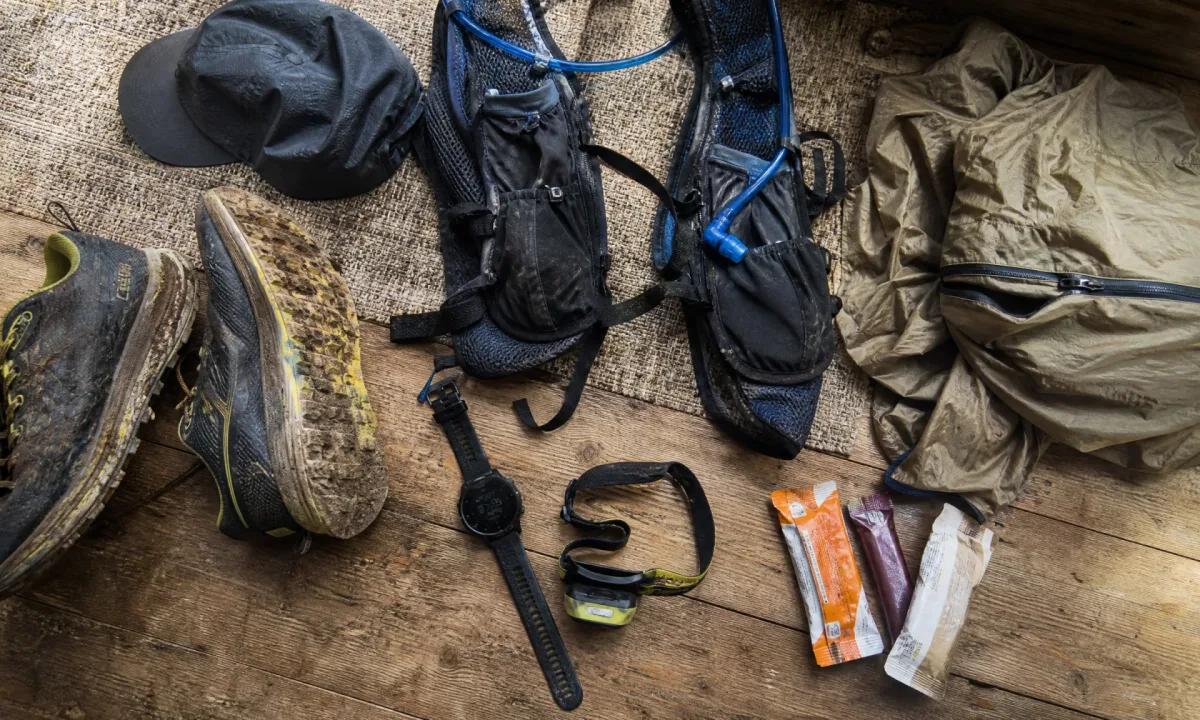
- Carry sufficient water, snacks, and a basic first-aid kit.
- Obtain the required permits for national parks and restricted areas.
- Consider hiring a local guide on remote or technical routes.
- Start early to avoid afternoon weather changes.
- Respect local customs, wildlife, and trail etiquette.
Final Thoughts
Nepal truly is a trail runner's paradise, offering a blend of physical challenge, cultural richness, and awe-inspiring natural beauty. Whether you're an experienced ultra-runner or looking for a unique adventure, the trails of Nepal promise an unforgettable experience. Come prepared, get proper trail running gears, respect the mountains, and experience the beauty of trail running in Nepal.
If you're looking for unforgettable mountain running, diverse landscapes, and authentic cultural encounters, Nepal deserves a place at the top of your trail running bucket list.
FAQs
Is Nepal good for trail running?
Yes. Nepal is one of the world's best destinations for trail running. From beginner-friendly trails near Kathmandu to high-altitude ultra-distance routes, Nepal offers options for every level of runner.
Which trail running routes in Nepal are suitable for beginners?
Beginners can start with trails like Shivapuri Peak, Ama Yangri, or shorter sections of the Kathmandu Valley Rim Trail. These routes provide rewarding scenery without the extreme altitude and duration of Nepal's longer Himalayan trails.
Do I need permits for trail running in Nepal?
Yes. Many trail running routes pass through national parks or conservation areas and require entry permits. Depending on the route, you may need permits such as the Annapurna Conservation Area Permit (ACAP), Sagarmatha National Park Permit, Langtang National Park Permit, or restricted area permits.
Is altitude sickness a concern while trail running in Nepal?
Yes. Many trails climb above 3,000 meters, where altitude sickness can occur. Proper acclimatization, gradual ascent, hydration, and avoiding overexertion are essential for staying safe.
What is the difference between trail running and trekking in Nepal?
Trail running follows the same mountain trails as trekking but covers greater distances in less time. Trail runners typically carry lighter gear, move faster, and require a higher level of fitness while still respecting altitude, weather, and trail safety.
Claire
www.travories.comTravel Writer
Comments
Join the conversation and share your thoughts.
Loading comments…