How To Start Trail Running: Tips For First Time Trail Runners
Ever watched a trail runner glide over rocks and roots and wondered how? Here's everything you need to start your own trail journey.


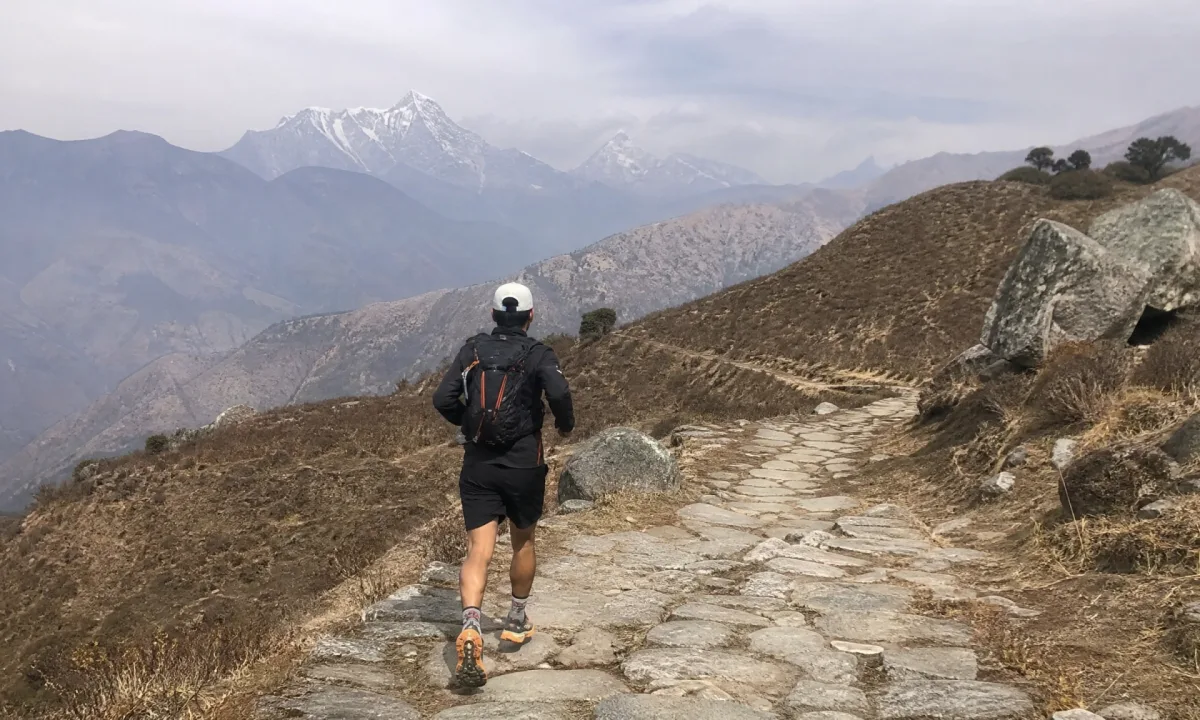
Trail running is one of the best ways to make running more exciting. It is a great way to combine exercise, adventure, and time outdoors along with mental refreshment. Unlike road running, where you usually focus on speed and distance, trail running allows you to explore forests, mountains, parks, and natural paths while challenging your body in new ways.
If you are wondering how to start trail running, you do not need to be an expert road runner. With the right preparation, and a few basic techniques, anyone can enjoy running on a trail. In this guide, we’ll learn about some practical trail running tips aiming mainly for beginners to help you confidently take your first steps and become a stronger trail runner.
What Is Trail Running?
Trail running is a sport that involves running on natural surfaces such as dirt paths, forest trails, mountain tracks, gravel paths, and hiking routes. Instead of running on flat pavement, trail runners move across changing terrain that may include rocks, roots, mud, hills, and uneven ground. Trail running requires more balance, awareness, and adaptability than road running because it’s more physically and mentally challenging.
For beginners, trail running is not only about running faster or covering more distance. It is about learning to move with the landscape, enjoying nature, and building confidence on different surfaces.
Most of the people start trail running because it offers:
- A more enjoyable outdoor experience
- Less repetitive movement compared to road running
- Improved balance and coordination
- A new challenge for physical and mental strength
- Opportunities to explore new places
Road Running vs Trail Running
Understanding the difference between road running and trail running can help you prepare properly.
| Feature | Road Running | Trail Running |
|---|---|---|
| Surface | Pavement, sidewalks, tracks | Dirt, rocks, grass, mud, gravel |
| Pace | Usually faster and consistent | Slower because of terrain changes |
| Movement | Repetitive stride | More varied steps and balance adjustments |
| Focus | Speed and distance | Experience, control, and endurance |
| Environment | Roads and urban areas | Forests, parks, mountains, nature paths |
| Skills Needed | Basic running form | Balance, awareness, and trail technique |
A common mistake for new trail runners is trying to maintain their normal road running pace. Trails naturally slow you down because your body is working harder to handle uneven terrain and elevation changes.
Tips For Your First Trail Run
1. Choose a Beginner-Friendly Trail
When you plan your first trail run, selecting the right trail is crucial for a positive first experience. It is one of the most basic but important things in your trail running preparation.
Your first trail should help you build confidence instead of making you feel overwhelmed.
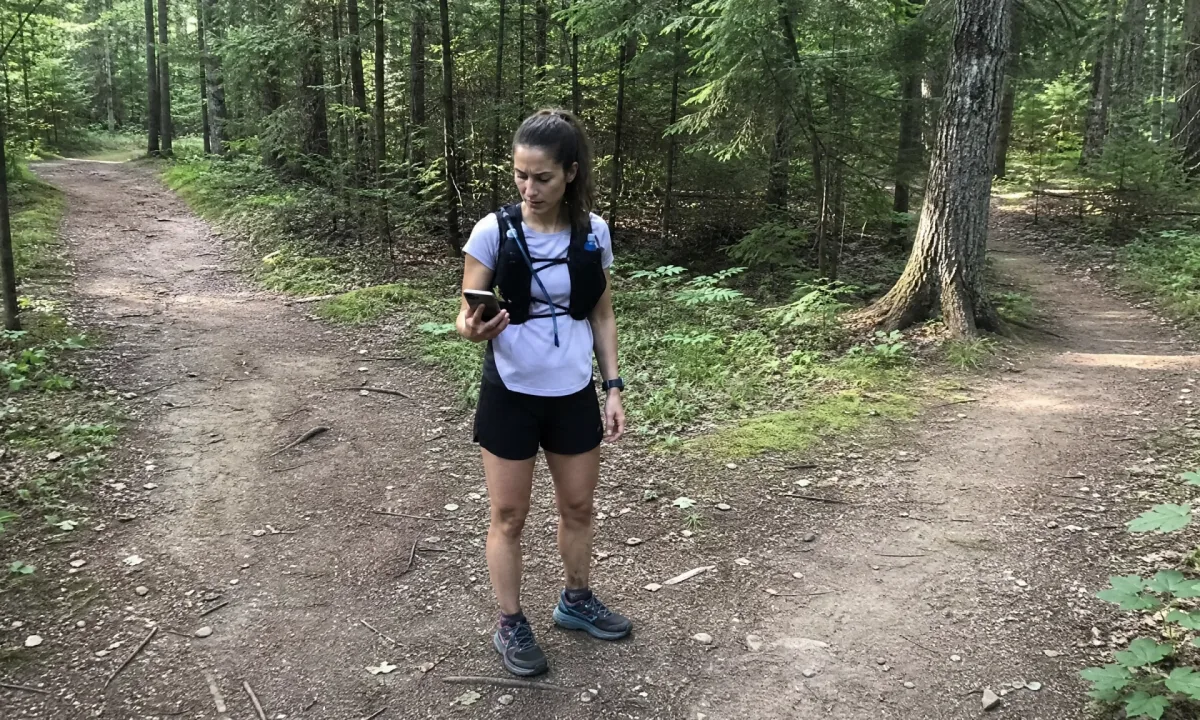
Begin with trails that are relatively flat, well-maintained, and free from overly technical obstacles. Look for beginner-friendly trails that are:
- Well-marked and easy to follow
- Close to your home or familiar areas
- Short in distance
- Relatively flat with fewer steep climbs
- Wide enough to move comfortably
For your first trail running experience, a local park trail, gravel path, or easy hiking route can often be a better choice than a challenging mountain trail.
Note: Remember that a 5 km trail run can feel much harder than a 5 km road run because of hills and uneven surfaces.
2. Prepare For Your First Trail Run
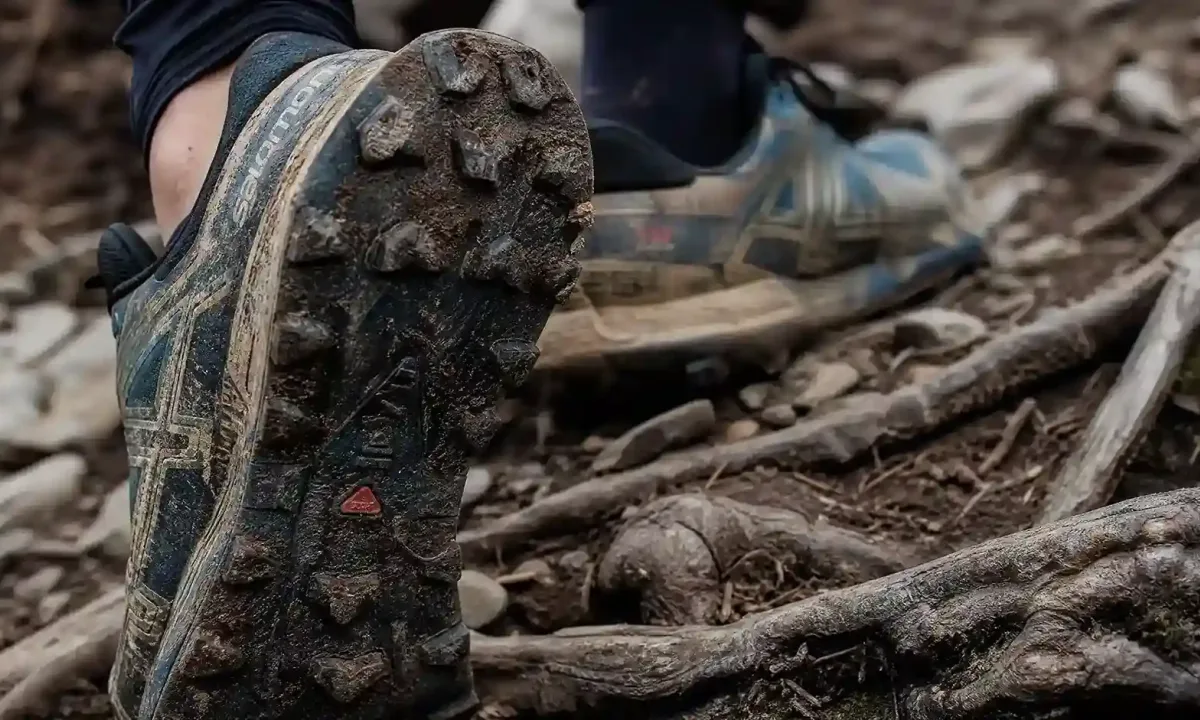
Good preparation most often makes your first trail run more enjoyable. This involves both physical and mental readiness.
2.1 Plan Your Route
Know where you are going before you start. Study the trail map and understand the distance, difficulty level, and possible exit points.
Before heading out, check:
- Trail distance
- Elevation changes
- Recent trail conditions
- Whether the trail allows running
It’s recommended to avoid unfamiliar long routes on your first trail running attempt.
2.2 Check the Weather
Weather can change quickly on outdoor trails. Rain can make paths slippery, while hot weather increases your need for water. Check the forecast and dress according to the weather conditions.
2.3 Tell Someone Your Plan
If you are running alone, let someone know. Inform someone of your planned route and expected return time. This is an important part of trail running safety.
2.4 Start Slowly
First be sure that you are comfortable with continuous running on roads for at least 30 minutes to an hour. Be prepared for a slower pace than road running. Your first trail run is about learning, not testing your limits.
Run at a comfortable effort and focus on:
- Your footing
- Your breathing
- Your surroundings
- How your body feels
3. Get the Right Trail Running Gear
Having the appropriate gear is essential for safety and comfort when you start trail running. However, you do not need a large collection of equipment to start, but having some key items that can make a significant difference.
3.1 Trail Running Shoes
Trail running shoes are one of the most important pieces of equipment. For easy trails, some road shoes may work, but dedicated trail running shoes become more useful as the terrain becomes more technical.
Compared with normal running shoes, trail shoes usually provide:
- Better grip on dirt and rocks
- Foot protection from sharp surfaces
- Improved stability on uneven terrain
Look for shoes that offer enhanced traction along with aggressive outsoles and good cushioning.
3.2 Clothing
Wear lightweight, breathable clothing that dries quickly. Avoid cotton clothing because it holds moisture and can become uncomfortable during longer runs.
Good clothing options include:
- Moisture-wicking shirts
- Running shorts or tights
- Technical socks
- Lightweight jackets for changing weather
3.3 Hydration
Water is essential, especially when running longer distances or in warm conditions. You must carry handheld bottles, hydration vests, or waistpacks.
For longer runs, a hydration vest is recommended as it allows you to carry more water, snacks, and essential safety items.
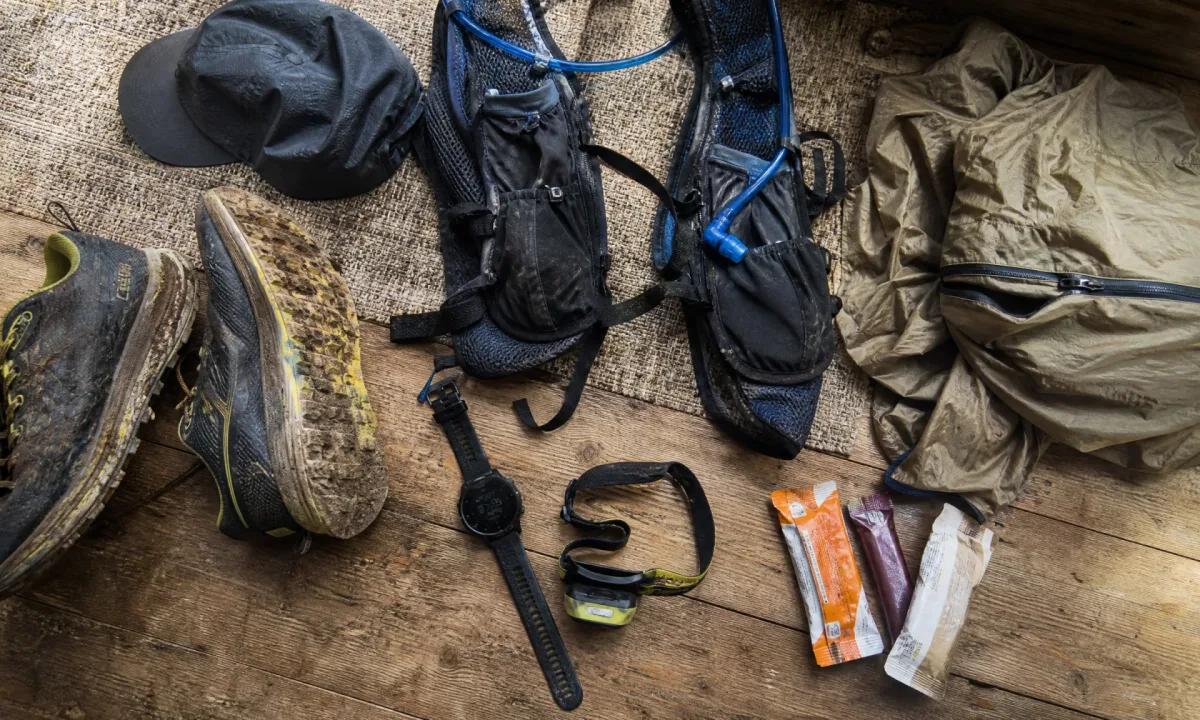
3.4 Other Useful Gear
Depending on your trail and distance, consider:
- Phone
- Small first-aid kit
- Trail map or GPS watch
- Headlamp for low-light conditions
- Energy snacks for longer runs
Using apps like Strava or AllTrails can be very useful to navigate through unfamiliar trails.
4. Learn Basic Trail Running Techniques
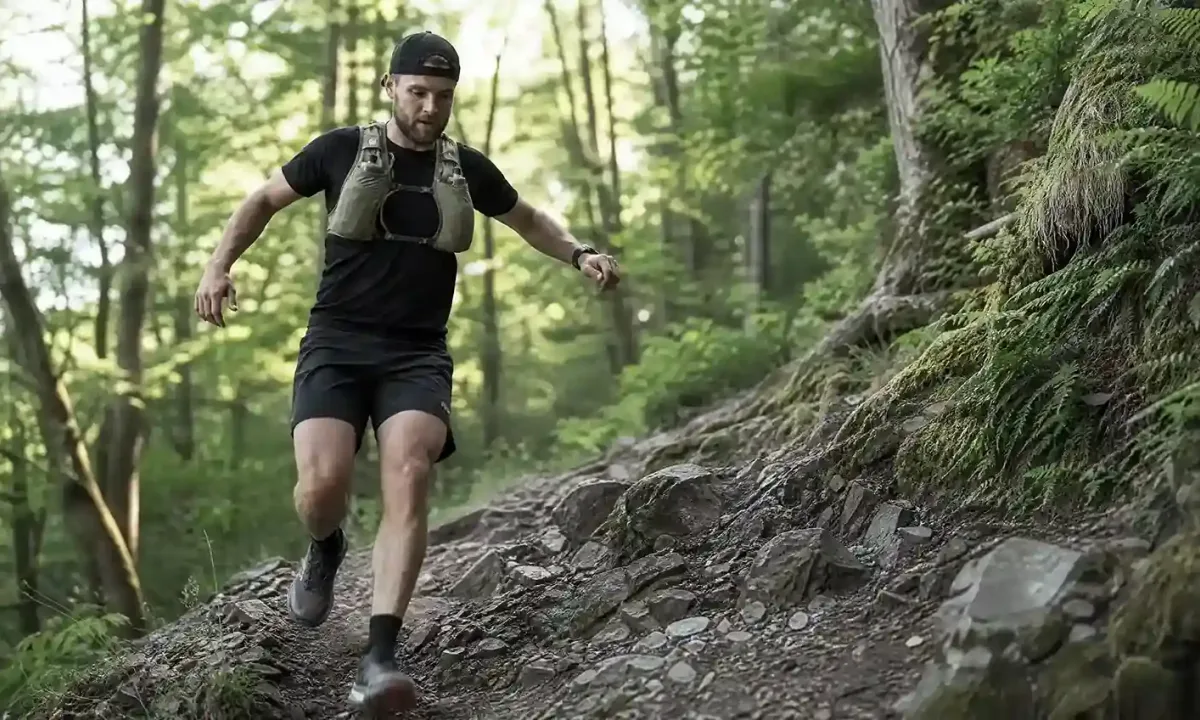
Running on uneven terrain requires a different approach from normal road running. So, learning a few techniques beforehand can improve your efficiency and make you more comfortable.
4.1 Use Shorter Steps
One of the basic trail running techniques to follow is shortening your stride. Adopt a shorter, quicker stride, keeping your feet underneath your body. This allows for better balance and quicker reactions to obstacles. Avoid overstriding, which can lead to falls.
4.2 Look Ahead
Do not stare directly at your feet while running. Instead of doing that, scan the trail 10 to 15 feet ahead. This gives you time to anticipate obstacles and plan your foot placement.
4.3 Use Your Arms for Balance
Your arms help control your body on uneven ground. Keep them relaxed and allow them to move naturally, especially when going downhill or around corners.
4.4 Learn How to Handle Hills
Hills are a major part of trail running. For uphill sections, reduce your pace, take smaller steps, and maintain steady breathing, while for downhill sections, stay controlled, avoid leaning backward, and take quick, light steps.
Walking steep hills is completely normal, even for experienced trail runners.
5. Build Your Trail Running Fitness
Building fitness for trail running involves more than just increasing mileage. It requires developing strength, agility, and endurance specific to the demands of the trail. Your ankles, calves, hips, and core work harder as you are constantly adjusting to uneven surfaces.
To build fitness:
5.1 Pace yourself
Do not immediately jump into long trail runs. Gradually increase your time and distance on trails.
Start with:
- Short distances
- Easy terrain
- Comfortable effort
Then slowly increase distance and difficulty.
5.2 Add Strength Training
Simple strength exercises can improve your stability and power. Focus on exercises that strengthen your core, glutes, and ankles.
Some useful exercises include:
- Squats
- Lunges
- Calf raises
- Step-ups
- Core exercises
5.3 Practice Regularly
Consistency is more important than intensity. A beginner trail runner improves faster by running regularly than by doing occasional very difficult runs.
5.4 Cross-Training
Engage in activities like hiking, cycling, or swimming to build overall cardiovascular fitness without overstressing your running muscles.
6. Do Not Overdo: Take Your Time
One of the biggest trail running mistakes that beginner runners make is trying to do too much and focusing on progress too soon.
Even if you frequently run on roads, trails create new challenges, engage different muscles and place unique demands on your body. Listen to your body, take rest days, and allow for adequate recovery.
Focus on enjoying the process rather than comparing yourself with experienced trail runners. It's okay to walk when needed, especially on steep sections. Your pace will improve naturally as you gain confidence and experience.
The goal is to enjoy the experience and build a sustainable practice, not to achieve arbitrary speed or distance targets immediately.
Common Beginner Trail Running Mistakes
1. Trying to Match Road Running Pace
Trail running is different from road running. Your trail pace will usually be slower due to the varied terrain and elevation changes. Focus on effort and how your body feels. Your pace will naturally adjust to the trail conditions.
2. Starting With Trails That Are Too Difficult
A technical mountain trail may look exciting, but it can be very challenging for beginners. Jumping onto highly technical trails with significant vertical gain can be overwhelming and increase the risk of injury. Start with easier trails and progress step by step.
3. Wearing Unsuitable Footwear
Regular sneakers or road running shoes may not provide enough grip or protection on trails. Wearing them on uneven terrain can lead to slips, falls, and foot injuries. Invest in off-road running shoes for better experience.
4. Ignoring Weather Conditions
Weather on trails, especially in mountainous or exposed areas, can change rapidly. Ignoring forecasts or heading out unprepared can lead to dangerous situations. Always check conditions and dress appropriately before running.
5. Carrying Too Little Water
Many beginners underestimate how much longer trail runs can take. It often takes longer than anticipated, and access to water sources can be limited. Always carry more water than you think you'll need.
6. Focusing on Distance Instead of Experience
While distance is a common metric in road running, focusing on it in trail running can detract from the experience. Embrace the journey, the scenery, and the challenge of navigating the terrain rather than worrying about distance.
Trail Running Safety and Etiquette for Beginners
A good trail runner respects both nature and other trail users. Adhering to safety guidelines and trail etiquette ensures a positive experience for everyone and helps preserve the natural environment.
Follow these basic rules:
- Stay on marked trails
- Respect hikers, cyclists, and other runners
- Give way when needed
- Do not leave trash behind
- Keep noise levels low
- Avoid disturbing wildlife
- Carry essential safety items
For personal safety:
- Carry a phone
- Know your route
- Run with a partner when possible
- Inform Others (Mandatory if solo)
- Be aware of your surroundings
First Trail Run Checklist
Before heading out for your first trail run, use this trail running gear checklist to ensure you're prepared:
- Trail Running Shoes: Checked for proper fit and grip.
- Moisture-Wicking Clothing: Appropriate layers for the weather.
- Hydration: Water bottles or hydration pack filled.
- Snacks: Energy gels or bars for longer runs.
- Navigation: Map, compass, or fully charged phone with GPS app.
- First-Aid Kit: Basic essentials for minor injuries.
- Whistle: For emergencies.
- Headlamp: If running near dawn, dusk, or in low light.
- Sun Protection: Hat, sunglasses, sunscreen.
- Tell Someone: Inform a friend or family member of your route and return time.
Conclusion
Starting your first trail running does not require advanced skills or expensive equipment. The best way to begin is to choose an easy trail, prepare properly, learn basic trail running techniques, and gradually build your fitness.
Trail running may be quite challenging from road running, but that difference is what makes it exciting. With patience and consistent practice, you can become a confident trail runner while enjoying the outdoors in a completely new way.
Start small, stay safe, and focus on enjoying every step of the trail. Happy trails!
Ready to take your trail running beyond local routes? If you're planning your next trail running adventure, explore Travories to discover trail running experience, trekking adventures, and other outdoor trips in Nepal, making it easier to find an adventure that matches your interests and experience level.
FAQs
1. How do I get into trail running?
The easiest way to get into trail running is to choose a beginner-friendly trail close to home, wear comfortable running gear, and start with short, easy runs. Learn basic trail running techniques, run at a comfortable pace, and gradually increase the distance and difficulty as your confidence grows.
2. Do I need to be fit before starting trail running?
You don't need to be highly fit to start trail running. If you can comfortably walk or jog for 20–30 minutes, you can begin on easy, well-maintained trails. Focus on building endurance gradually rather than worrying about speed or distance.
3. How far should my first trail run be?
Your first trail run should be short and mostly enjoyable. Aim for about 2–5 km (1–3 miles) or 20–40 minutes on an easy trail. Don't focus on distance, focus on getting comfortable with uneven terrain and building confidence.
4. Is trail running harder than road running?
Generally, yes. Trail running is more physically demanding because of hills, uneven surfaces, rocks, roots, and changing terrain. As a result, your pace will usually be slower than on roads, but you'll also improve your balance, strength, and endurance.
5. Should beginners walk hills when trail running?
Yes. Walking steep uphill sections is completely normal and is a common strategy used by both beginners and experienced trail runners. Walking helps conserve energy, maintain a steady heart rate, and reduce fatigue during longer runs.
6. How do I train for trail running?
Training for trail running involves a combination of regular running, strength training, and trail-specific practice. Start by running on easy trails once or twice a week, gradually increase your time on uneven terrain, strengthen your legs and core with exercises like squats and lunges, and include hill workouts to improve climbing and descending skills.
Chettee Gurung
www.travories.comA seasoned Himalayan guide with over 15 years of experience, he has led trekkers safely through the rugged trails of the Himalayas.
Comments
Join the conversation and share your thoughts.
Loading comments…