A Beginner's Guide to Trail Running In Nepal: Your First Step Off-Road
Nepal's trails wind through forests, hills, and mountain villages, offering runners an experience roads simply can't match. Start here.


What is Trail Running?
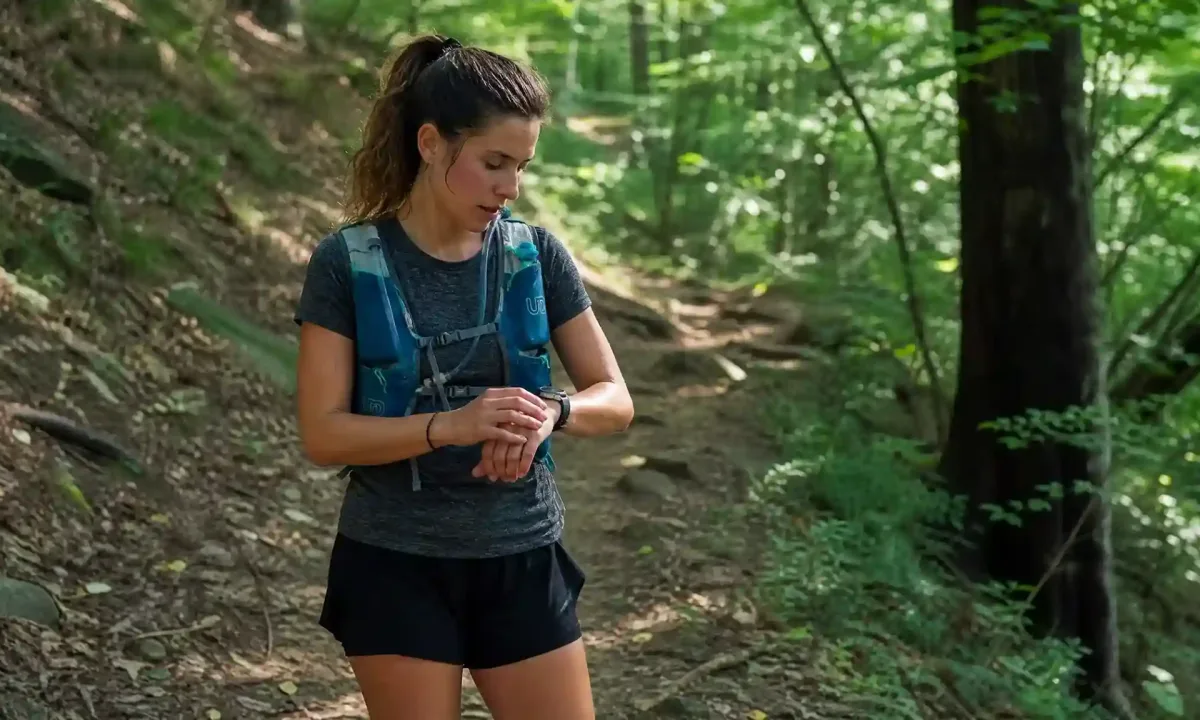
Trail running is more than just running; it's an immersive experience that takes you away from paved roads and onto natural terrains. This includes everything from gentle dirt paths and grassy fields to rugged mountain running trails and dense bush running routes. Unlike its road counterpart, trail running emphasizes adaptability, balance, and a deep connection with the environment.
Key Differences from Road Running
While both involve putting one foot in front of the other, the philosophy and demands of trail running diverge significantly from road running:
- Terrain Variety: Expect uneven surfaces, roots, rocks, mud, and steep inclines/declines, demanding constant attention and varied muscle engagement.
- Focus on Experience: The emphasis shifts from achieving personal bests (PBs) and maintaining a specific pace to enjoying the scenery, navigating challenges, and embracing the journey.
- Mental Engagement: The ever-changing terrain requires heightened focus, improving concentration and problem-solving skills.
- Connection with Nature: Nature running offers a unique opportunity to disconnect from daily stressors and immerse yourself in serene natural environments.
Benefits of Trail Running
Beyond the sheer joy of exploration, off-road running offers a multitude of physical and mental benefits:
- Enhanced Physical Fitness: It builds stronger ankles, knees, and core muscles due to the varied terrain. The constant adjustments improve balance, agility, and coordination.
- Cardiovascular Health: Like all forms of running, it boosts heart health and endurance.
- Mental Well-being: Spending time in nature is proven to reduce stress, improve mood, and enhance cognitive function. The meditative rhythm of forest running can be incredibly therapeutic.
- Adventure and Exploration: It opens up opportunities to discover new places and push personal boundaries.
Why is Nepal a Trail Runner's Paradise?
For those seeking an extraordinary trail run experience, Nepal stands unparalleled. The country, renowned for its majestic Himalayas, offers a diverse range of landscapes perfect for trail running in Nepal.
Unique Appeal
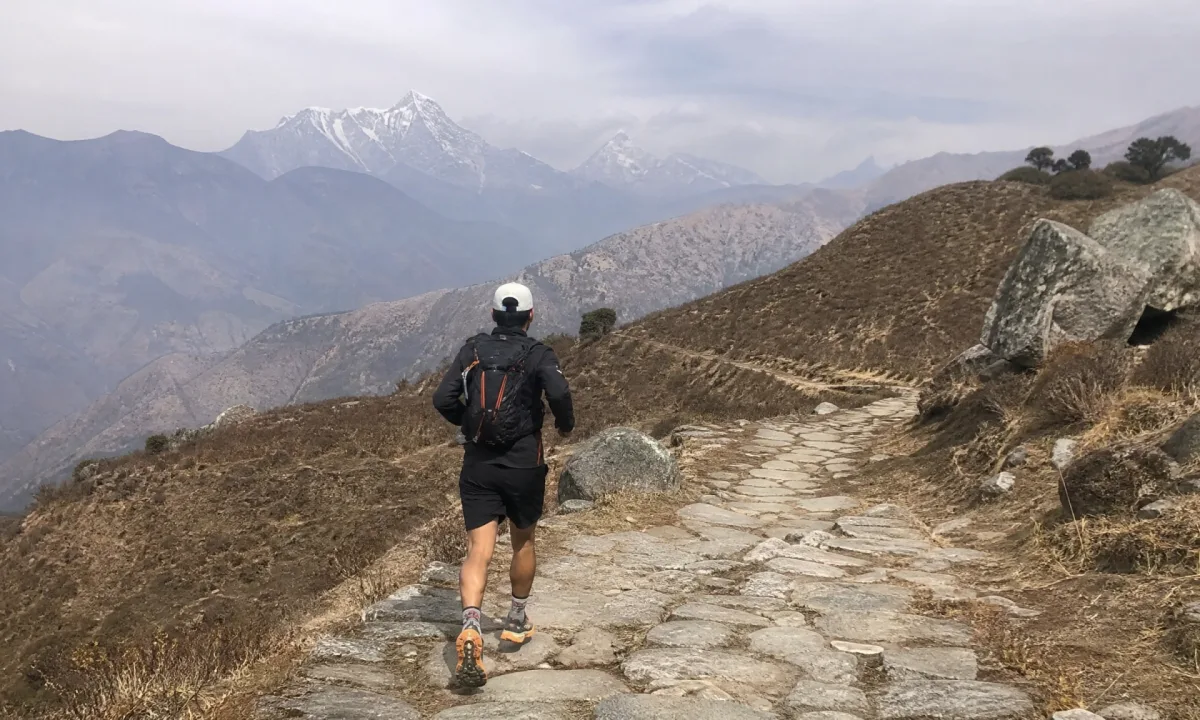
Nepal's terrain, from lush lowlands to towering peaks, provides an incredible backdrop for mountain running. The Trail running Himalayas experience is unlike any other, offering breathtaking vistas, cultural encounters, and challenging ascents that will test your limits.
Beginner-Friendly Routes
When considering Nepal trail running routes, beginners might be intimidated by the thought of Ultra trail running Nepal. However, there are numerous accessible options to start your journey:
- Kathmandu Valley Trails: Areas like Shivapuri National Park offer beautiful forest running trails with varying elevations, such as the Shivapuri Peak Loop or the Nagarkot–Kartikey Ridge Trail. These provide a taste of hill running without extreme technical demands.
- Pokhara Surroundings: The hills around Pokhara offer scenic routes with stunning views of the Annapurna range, ideal for introductory off-road running.
- Lower Annapurna Regions: While the full Annapurna Circuit is a major undertaking, shorter sections or nearby trails can be adapted for beginner-friendly trail runs.
For those looking for the best trails for running in Nepal, these regions provide a fantastic starting point, allowing you to build confidence and experience before tackling more advanced routes.
Essential Gear for Your First Trail Run
Having the right equipment is crucial for a safe and enjoyable trail running experience. While you don't need to break the bank, investing in a few key items will make a significant difference.
Trail Running Shoes: This is arguably the most important piece of gear. Unlike road shoes, trail running shoes feature aggressive outsoles for superior grip on loose or muddy terrain, reinforced uppers for protection against rocks and debris, and often more cushioning and stability for uneven surfaces. Look for shoes with good traction and a comfortable fit.
Appropriate Clothing: Dress in layers, opting for moisture-wicking synthetic fabrics. This allows you to adapt to changing weather conditions. Even on warm days, a light windbreaker can be invaluable in exposed areas. Consider long sleeves or gaiters for protection against scratches and sun.
Hydration System: For anything longer than a short trail run, you'll need to carry water. Options include handheld bottles, hydration belts, or hydration vests/packs. Vests are popular for longer distances as they distribute weight evenly and can carry additional essentials.
Other Essentials:
- Small Backpack: For carrying extra layers, snacks, and safety items.
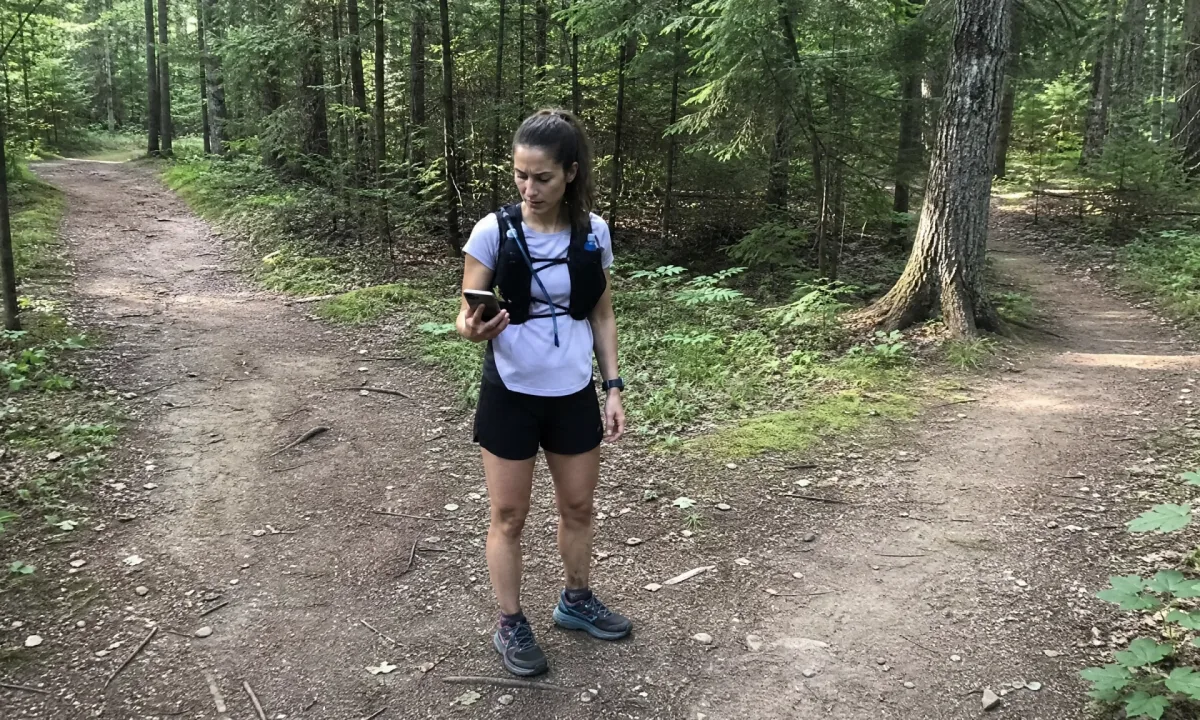
- Navigation Tools: A fully charged phone with a GPS app (like Strava or AllTrails) and/or a physical map and compass, especially in unfamiliar areas.
- Basic First-Aid Kit: Small cuts, blisters, or sprains are common. Include bandages, antiseptic wipes, pain relievers, and any personal medications.
- Headlamp: Essential if there's any chance your trail run will extend into dusk or darkness.
- Whistle: For emergencies.
Preparing Your Body: Training for the Trails
Transitioning from road to trail running requires specific physical preparation. Your body will need to adapt to new demands, but with a structured approach, you'll be ready for any dirt path running adventure.
- Building Endurance: Consistency is key. Gradually increase your running distance and time on varied terrain. Incorporate longer, slower runs to build your aerobic base. Don't be afraid to walk steep uphills – it's a common and efficient strategy in mountain running.
- Strength Training: Focus on exercises that strengthen your core, glutes, hamstrings, and ankles. Lunges, squats, calf raises, and single-leg balances are excellent for improving stability and preventing injuries on uneven ground. Strong ankles are vital for navigating single track running.
- Uphill and Downhill Techniques: Practice makes perfect. For uphills, shorten your stride, maintain a slight forward lean, and use your arms for momentum. For downhills, relax, keep your gaze a few feet ahead, and use quick, light steps to absorb impact. This is where fell running techniques come in handy.
- Cross-Training: Supplement your running with activities like cycling, hiking, or swimming. These help build overall fitness, improve cardiovascular health, and reduce the impact on your joints, offering a well-rounded approach to preparing for cross country running.
Fueling Your Adventure: Nutrition and Hydration
Proper nutrition and hydration are paramount for sustained energy and optimal performance on the trails, especially during longer trail runs.
- Pre-Run Nutrition: Focus on complex carbohydrates a few hours before your run to top up your glycogen stores. Oatmeal, whole-wheat toast, or a banana are good choices.
- During the Run: For runs longer than an hour, you'll need to refuel. Carry easy-to-digest snacks like energy gels, chews, bars, dried fruit, or nuts. Aim for small, frequent intakes rather than large meals. Consistent hydration is also critical; sip water or an electrolyte drink regularly, especially in warmer conditions or at higher altitudes.
- Post-Run Recovery: Replenish your energy stores and aid muscle repair with a combination of carbohydrates and protein within 30-60 minutes after your run. A recovery shake, yogurt with fruit, or a balanced meal works well.
Planning Your Route and Staying Safe
Careful planning and adherence to safety protocols are essential for a rewarding and secure off-road running experience.
Finding Beginner Trails: Utilize online resources and local communities. Apps like Strava and AllTrails offer user-generated trail running routes with details on distance, elevation, and terrain. Joining local running groups and clubs can provide invaluable insights and companionship.
Route Assessment: Before heading out, thoroughly research your chosen trail. Understand its distance, total elevation gain, and technical difficulty. Check weather forecasts and be prepared for sudden changes, especially in mountainous regions. Always consider the time of day and available daylight.
Safety First:
- Inform Someone: Always tell a friend or family member your planned route and estimated return time.
- Carry a Phone: Ensure it's fully charged and consider a portable power bank.
- Basic First Aid: Know how to treat common trail injuries.
- Respect Wildlife and Nature: Stay on marked trails, carry out all trash, and be aware of local flora and fauna. In Nepal, this also means respecting local customs and communities.
- Know Your Limits: Don't push yourself beyond your current fitness level, especially when starting out. It's okay to walk when needed.
Taking the Next Step: Community and Events in Nepal
Once you've found your footing in trail running, connecting with the wider community can enhance your experience and open up new opportunities.
- Joining the Community: Local running clubs and online forums are excellent ways to meet like-minded individuals, share experiences, and discover new Nepal trail running routes. The camaraderie of a shared trail run can be incredibly motivating.
- Trail Running Events in Nepal: Nepal hosts a growing number of trail running events, from local 5K and 10K races to challenging ultra-marathons. These events are a fantastic way to set goals, test your progress, and experience the vibrant Ultra trail running Nepal scene. Look for events like the Manaslu Circuit Fast Pack or Ama Yangri Fast Pack, which offer various distances.
- Connecting with Travories: Travories can be your gateway to combining your passion for trail running with other incredible adventures. Explore our trekking and fastpacking packages, many of which traverse similar stunning landscapes. We can help you find guided tours that incorporate elements of trail running or connect you with local experts who can guide you through the best trails for running in Nepal.
Conclusion
Trail running offers an unparalleled blend of physical challenge, mental rejuvenation, and natural beauty. It's an invitation to escape the ordinary and embrace the extraordinary, one trail run at a time. From the serene forest running paths to the majestic mountain running vistas, the world of off-road running awaits.
Start small, enjoy every step, and let the trails transform you. Ready to take your first step off-road in Nepal? Explore our trekking and tour packages on Travories and discover your next adventure!
Frequently Asked Questions (FAQs)
What is the main difference between trail running and road running?
The primary difference lies in the terrain. Road running occurs on paved, even surfaces, while trail running involves unpaved, natural surfaces like dirt paths, single tracks, and mountain trails. Trail running emphasizes adaptability, balance, and an appreciation for nature over pure speed.
Do I need special shoes for trail running?
Yes, trail running shoes are highly recommended. They offer superior grip, protection, and stability compared to regular road running shoes, which are essential for navigating uneven and challenging off-road terrain.
Is Nepal suitable for beginner trail runners?
Absolutely! While Nepal is famous for its challenging Himalayan trails, there are many beginner-friendly Nepal trail running routes around areas like Kathmandu Valley and Pokhara. These offer beautiful scenery and manageable terrain to help new runners build confidence.
What are some essential gear items for a beginner trail runner?
Key gear includes proper trail running shoes, moisture-wicking layered clothing, a hydration system (bottle or vest), a small backpack for essentials, and navigation tools. A basic first-aid kit is also highly recommended.
How should I train for my first trail run?
Focus on building endurance through consistent running, incorporate strength training for your core, legs, and ankles, and practice uphill and downhill techniques. Cross-training activities like hiking or cycling can also be very beneficial for overall fitness.
How can Travories help me with trail running in Nepal?
Travories can help you discover and book trekking and fastpacking packages that often traverse similar stunning landscapes suitable for trail running. We can also connect you with local experts and guided tours that incorporate elements of trail running in Nepal.
Are there trail running events for beginners in Nepal?
Yes, the trail running scene in Nepal is growing, with events ranging from local 5K and 10K races to more challenging ultra-marathons. Many events offer shorter distances suitable for beginners looking to experience a competitive or community-focused trail run.
What are some safety tips for trail running?
Always inform someone of your route and estimated return time, carry a fully charged phone, know basic first aid, respect wildlife and local regulations, and always know your limits. Staying on marked trails is also crucial for safety.
Claire
www.travories.comTravel Writer
Comments
Join the conversation and share your thoughts.
Loading comments...