Trail Running in Nepal: Where to Actually Start (and the Races Worth Flying For)
The brochure version skips the part where a grandmother carrying firewood drops you on the first climb. This is the honest one — routes, real rupee costs, and the 2026 races are worth training for.


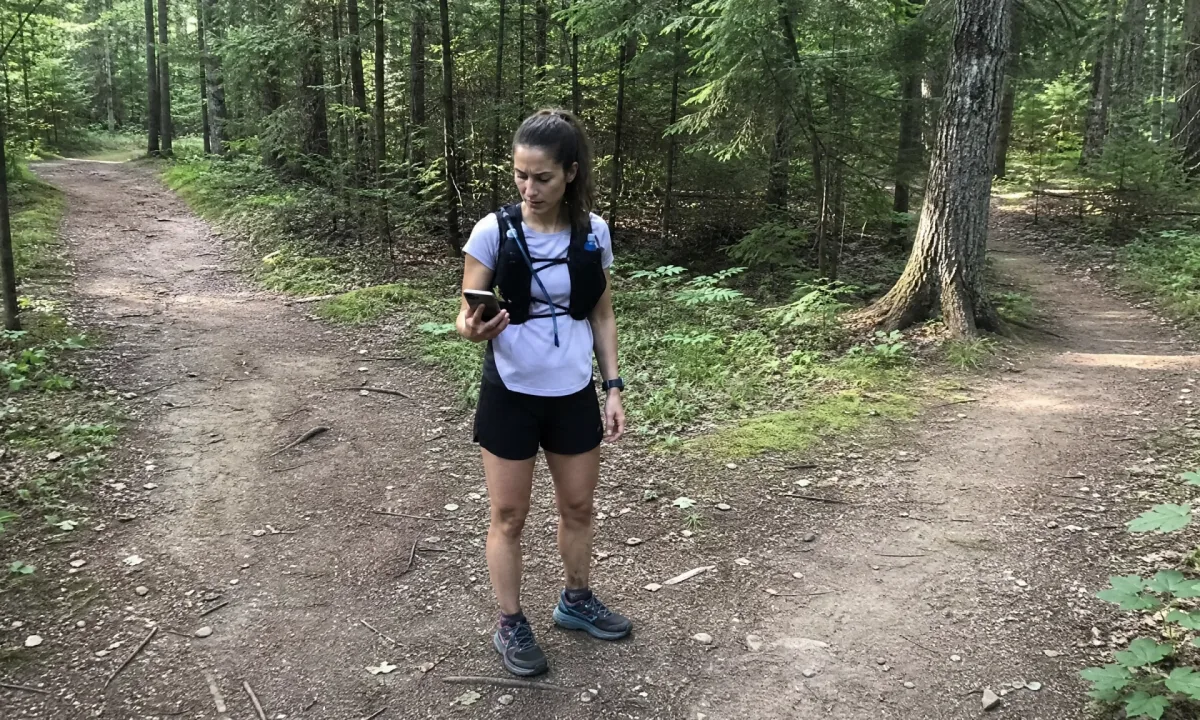
My first proper trail run in Nepal wasn't really a run. It was me at the Budhanilkantha gate of Shivapuri, 6:40 in the morning, handing over my Rs 100, jogging maybe four hundred metres up the stone steps, and then walking the rest with both hands on my knees. An aamaa came down past me carrying a doko stacked with firewood, no shoes you'd ever call running shoes, and she didn't slow down once.
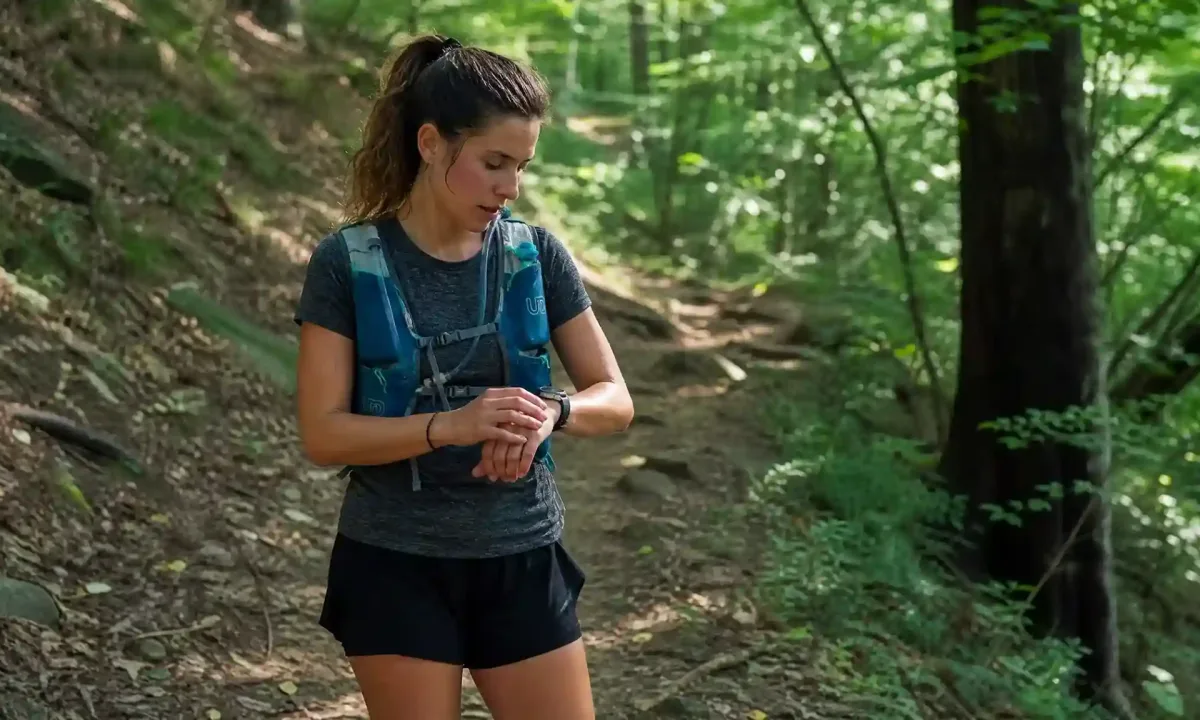
So let me be honest before you read another word: trail running here is not the thing in the shoe adverts. No clean switchbacks, no aid station every five kilometres, no gel every 40 minutes. It's steeper, dustier, and a good deal more humbling. And it's also some of the best running you will do anywhere, which is what keeps pulling people back.
I've been running these hills for a few years — badly at the start, slightly less badly now — and people ask me the same things every time. Where do you even begin? Is it safe? Do I need a guide? What's it actually cost? Here's the version I wish someone had given me, minus the brochure language.
First, what "trail running" even means here
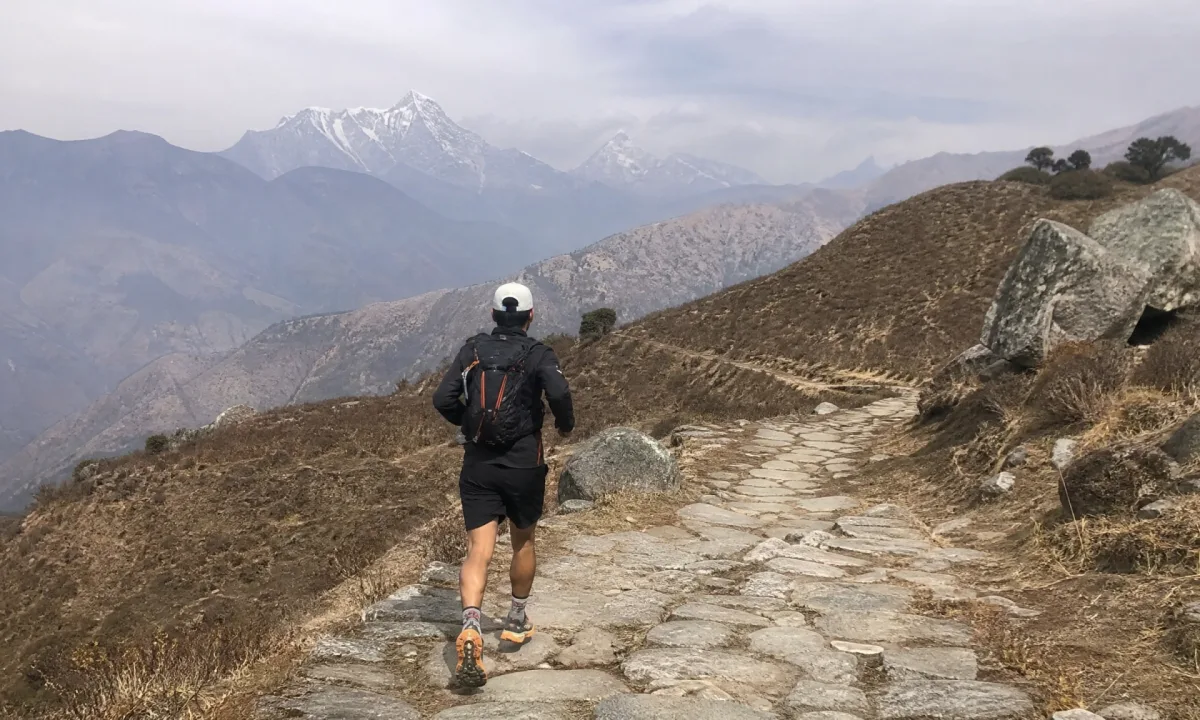
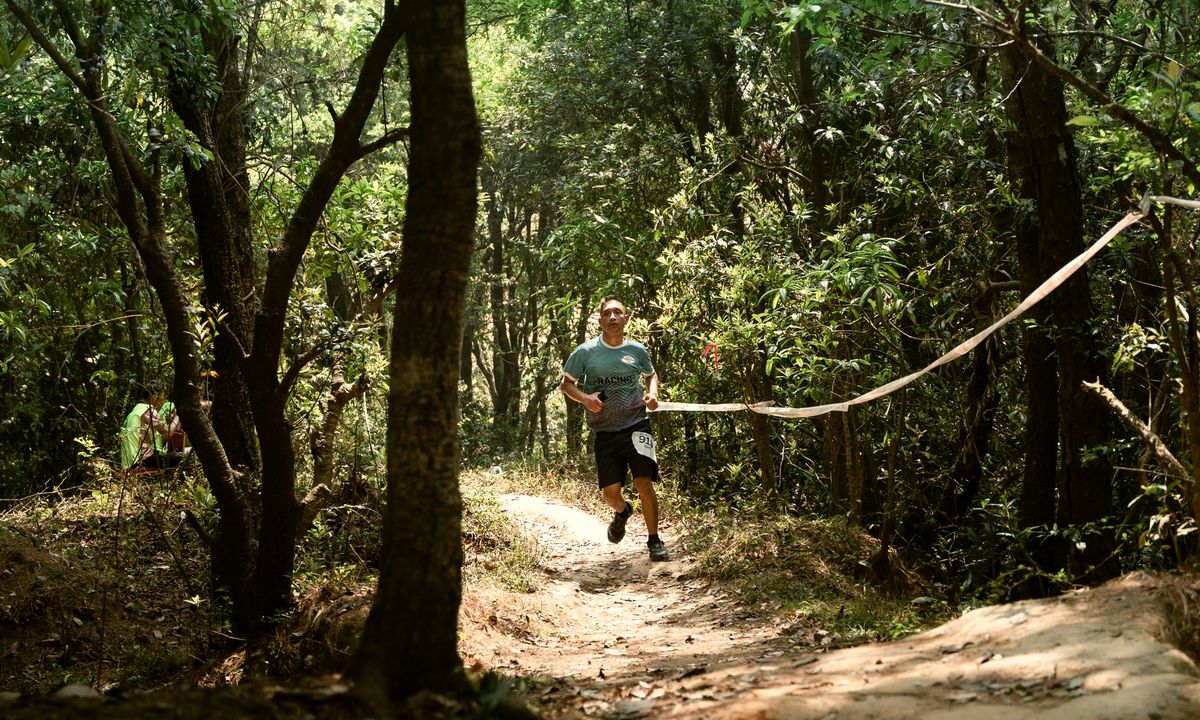
Forget distance for a second. In Nepal, the number that matters is vertical. A 15 km loop sounds short until you realise it climbs 1,300 metres on stone steps that were built for goats and grandmothers, not for your fancy carbon-plate shoes. Most "runs" on a Himalayan trail are really a mix — run the flats and the gentle downs, power-hike the steep ups, and try not to die on the technical descents. Anyone who tells you they ran the whole thing is either lying or genuinely freakish. A handful of Nepali runners are genuinely freakish, so it does happen.
The good news: that mix is exactly why beginners do fine here. You don't need to be fast. You need legs that don't quit, a bit of patience with the uphill, and the sense to start somewhere sensible instead of, say, signing up for a 100 km race because the photos looked nice on Instagram.
Start where the rest of us started — the valley rim
If you're in Kathmandu, you don't need to go far. The ring of hills around the valley is the training ground for basically every runner in the city, foreign or Nepali. Four that I'd actually send a friend to:
Shivapuri Peak loop (Budhanilkantha)—the classic. You start at the national park gate above Budhanilkantha, grind up the jeep track that turns into proper forest single-track through pine and rhododendron, and top out at Shivapuri Peak, 2,732 m, about a 15 km round trip with roughly 1,300 m of climb. On a clear winter morning, you get Langtang and Ganesh Himal laid out in front of you; on a hazy day, you get a wall of grey and the smug satisfaction of having climbed it anyway. Entry is around Rs 100 for Nepalis and roughly Rs 1,000 for foreigners — bring cash, the gate doesn't do cards, and the ATM is a long way back down. Come down through Nagi Gumba if your knees are feeling brave.
Nagarjun forest (Balaju side). Underrated and shaded. Loops of runnable forest track up toward Jamacho gumba at about 2,100 m. It's the one I pick when my legs are tired, but I still want to move — gentler grade, fewer people, and you can make it as long or short as you want—same park, similar entry fee.
Nagarkot to Kartike Danda ridge. If you want a taste of ridge running without the punishment, this is it. Short, rolling, mostly gentle, with farm terraces and pine, and a sunrise view that's genuinely worth the early alarm. Good for your first proper "trail" feeling and good for speedwork once you've got the legs.
Sundarijal to Chisapani. A step up — steep, rocky, lots of stone steps through Shivapuri park before it opens out along the ridge. This is where the Kathmandu crowd goes to build long-term fitness. Don't be a hero on the way up; the trail rewards patience.
If you're over in Pokhara
Pokhara is the softer, prettier cousin. Lower starting altitude, warmer, and the trails climb straight toward the Annapurnas, so the views do much of the motivational work for you. The Australian Camp and Dhampus area are a forgiving introduction — terraced villages, forest, and Machhapuchhre (Fishtail) right there in your face on a clear day. Push higher, and the Mardi Himal ridge from Forest Camp up toward High Camp is a stunner, though that's genuinely high and steep and not a casual first outing.
Getting there is easier than it used to be. If you're coming from Kathmandu and don't want to fly, the new electric tourist coaches make the run far less of an ordeal than the old diesel grind — we wrote up that whole journey separately.
And if you fall for the Annapurna foothills the way most runners do, the same trails are the spine of a lot of classic treks.
The races — and which one is actually for you
This is where Nepal earns its reputation. There's a proper race calendar now, run mostly through the Trail Running Nepal community, and the events range from "fun run you can do hungover" to "this might genuinely break you." Quick, honest tour, roughly in order of the year:
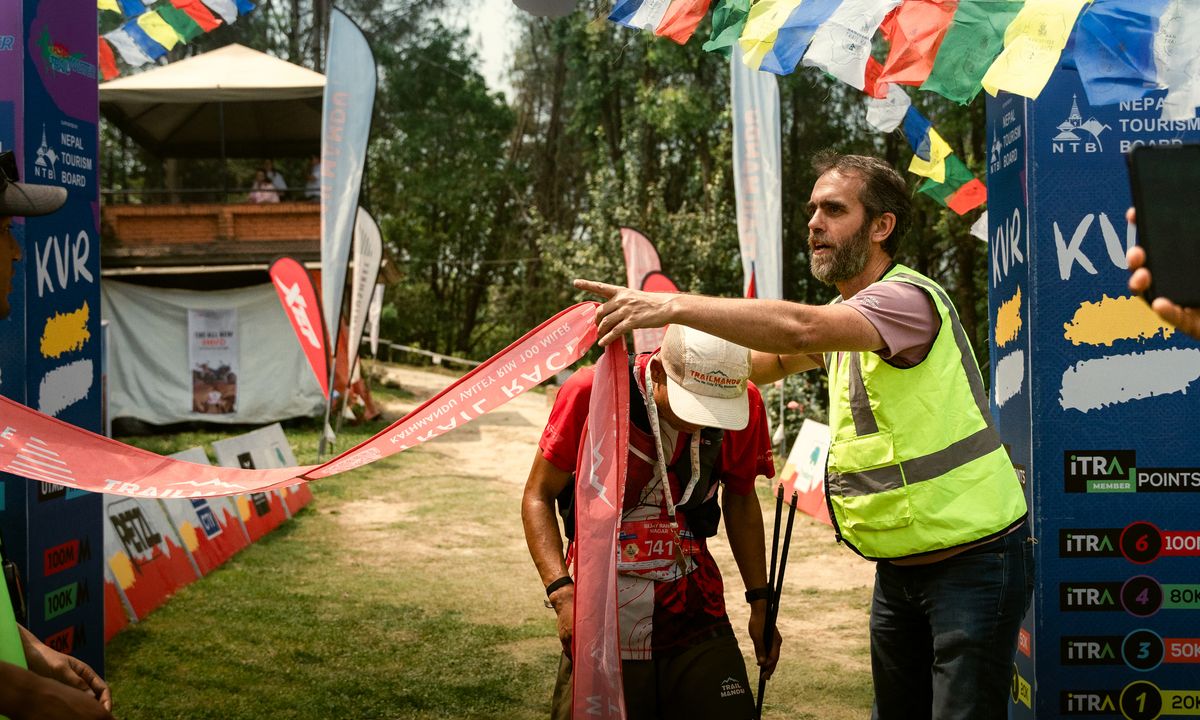
Manjushree Trail Race (April 17–19, 2026). The big one near Kathmandu, built around Nepal's only 100-mile race, but with friendlier 100 km, 50 km, 30 km, and 10 km options too. If you live in the valley, the 30 km is the dream first "real" race — your training trails, race energy, and a finish line you can actually reach.
Everest Marathon (May 29). Run downhill-ish from Everest Base Camp, on the date the mountain was first climbed. The "marathon" word undersells it — it's at altitude, it's technical, and the package is really a two-week trek with a race bolted on the end. Bucket-list stuff, not a weekend plan.
Mustang Trail Race (late spring). A multi-day stage race through Upper Mustang's wind-scoured, Tibetan-flavoured desert — old trade paths, monasteries, cliffs, the lot. Smaller, low-key, culturally rich. People who do it tend to get a faraway look in their eyes when they talk about it.
Annapurna 100 (September 27, 2026). Nepal's original ultra, first run back in 1995. Big news for 2026: they've redesigned it to start at Annapurna Base Camp and finish in Pokhara, tightening it into a true 100 km-class mountain ultra after the 2025 route came out long. Roughly 5,400–5,800 m of climbing and a brutal amount of descent. This is the one serious ultra-runners fly in for.
Manaslu Trail Race (November). Seven stages, around 140 km of running plus acclimatisation days, a 5,160 m pass at Larkya La, a night in a monastery, and a peek toward Tibet. Widely loved by the people who've done it. Also widely described as the hardest fun they've ever had.
Pokhara Ultra (late November). 100 K, 55 K, 30 K, and a 5 K fun run above the Pokhara valley — ridges over Tangting and Sikles, cloud forest, Fishtail watching the whole time. ITRA-pointed, so it counts toward international qualifying, but the 5 K means your unfit friend can still take part and feel included.
My actual advice? Don't make your first Nepal race a hundred of anything. Do a 10K or 30K, learn how your body handles the climbs and the dust, then come back greedy.
The Baglung Rim (Mid November): 48k, 20k and a 10L fun run on the ridges over Baglung Bazaar. The Dhaulagiri and Annapurna ranges will tease and wait even as the locals come up with home-brewed alcohol. Be ready to drink while running. Didn't it sound hilarious?
"A girl from a three-house village in Bhojpur ran her first 50 km in a four-dollar pair of shoes, stopped mid-race to borrow Rs 50 for noodles, and won. Then she went and beat Europe. That's the sport here — it didn't arrive from outside; it was always in the legs."
That's Mira Rai, more or less. She was a former child soldier, talent-spotted on a morning training run in the Kathmandu hills, winner of her debut 50 km in 2014, and within a year,, she was beating the field at the Mont Blanc 80 km in Chamonix. National Geographic named her Adventurer of the Year in 2017. She now spends much of her time getting other young Nepali women — runners who'd never been told this was something they were allowed to do — onto the trails. If you want one reason this country runs the way it does, it's people like her, plus the simple fact that a huge share of Nepalis grow up walking steep ground every single day. The terrain trains you whether you signed up for it or not.
Stuff nobody tells you
Dogs. Village dogs. They will chase you. Slow to a walk; don't make eye contact; pick up a stone if you must — they're protecting a patch, not hunting you, and they back off once you're past. Annoying, rarely actually dangerous.
Mud in the monsoon. From June to September, the trails turn into slip-and-slides, and the leeches come out. Beautiful, green, and miserable to run. Most people don't, and that's the right call.
Water. Don't trust that you'll find a tap when you need one. Carry more than you think on the longer routes, and a way to treat stream water if you're out for hours. The little shops in villages usually have bottled water and, more importantly, chiya and instant noodles when you're bonked.
Altitude. The valley-rim runs are fine. The minute you're talking about anything in the Annapurna, Manaslu, or Everest regions, altitude is the real boss, not your fitness. Going up fast as a runner is exactly the wrong instinct. Respect it.
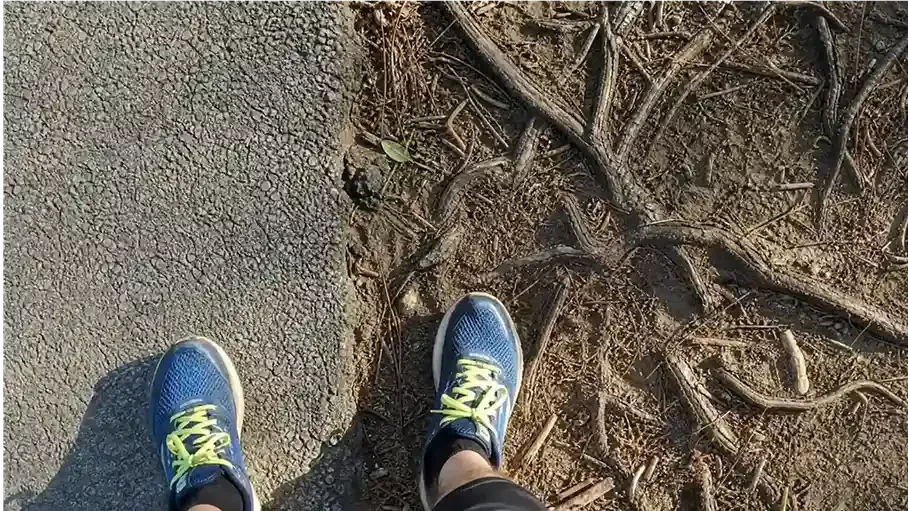
Shoes. A decent trail shoe with real grip changes everything on the descents. You don't need the Rs 25,000 pair. You do need lugs that bite. Road shoes on a wet Shivapuri descent are how people meet their physiotherapist.
Permits and a guide. Valley runs need the park entry ticket. Anything in a restricted or conservation area — Mustang, Manaslu, parts of Annapurna — needs proper permits and often a registered guide. Frankly, a guide who knows the trail is worth it the first time anyway. That's the kind of thing worth sorting through a verified local agency rather than winging it.
When to actually go
Two windows, and everyone agrees on them. Autumn (late September to November) is the gold standard — air scrubbed clean by the monsoon, firm trails, and the big mountains out on parade. Spring (March to May) is the other one: warmer and hazier lower down, but the rhododendrons go off across the hillsides, and most of the major spring races land here. If you're timing a trip around the trails, spring also lines you up nicely with the Annapurna region waking up for the season.
One bonus if you're here in April for the racing: the valley's festival calendar is wild around then too, so you can pair a hard race week with something completely different.
Skip the monsoon unless you specifically enjoy suffering, and winter is runnable low down but cold and short on daylight up high.
Want a local actually to run with — not just a map?
Travories connects you with verified Nepali agencies and guides who run these trails for a living — from a half-day on the Shivapuri loop to a full race-and-trek package for the Annapurna 100 or Manaslu. Tell us your level and your dates; we'll match you with someone who knows where the dogs are and where the water isn't.
Frequently Asked Questions
Do I need to be an experienced runner to try trail running in Nepal?
Honestly, no — but be honest with yourself about base fitness. If you can walk fast for two or three hours without stopping, you can handle most of the Kathmandu valley-rim routes. What gets people in trouble isn’t lack of running ability; it’s underestimating the elevation. Shivapuri climbs over 1,300 m. Your lungs will notice even if your legs don’t.
How much does it cost to trail run in Shivapuri?
Nepalis pay around Rs 100 at the national park gate; foreigners pay roughly Rs 1,000. Bring cash — no cards or digital payments — and the nearest ATM is a long ride back down. After that, running is free. If you stop at a village shop (you will), a plate of dal bhat runs Rs 200–250, and a bottle of mineral water is Rs 40–60. Budget a taxi or shared tempo from Budhanilkantha back to the ring road afterwards, and the whole day costs you almost nothing.
What’s the best race for a first-timer in Nepal?
The 10 km or 20 km at the Manjushree Trail Race (April each year, near Kathmandu) is the sensible answer. You train on the same trails in the months before, the event is well-organised, and the 30 km has enough climbing to feel like a real achievement without needing a six-month training block. If you want something iconic, the Pokhara Ultra 30 K above Fishtail is genuinely beautiful. Just not a 100 km as your debut. Please.
Is it safe to trail run alone in Nepal?
On the main Kathmandu Valley routes — Shivapuri, Nagarjun, and Nagarkot — solo running during daylight is generally fine. Tell someone your route and your expected return time. The dogs are annoying but rarely dangerous. For anything remote, high, or in a permit zone, having at least one running partner is genuinely sensible; in restricted areas like Mustang, it’s a legal requirement regardless of company preference.
What trail running shoes do I actually need?
Something with a proper lug sole that grips wet rock and mud. Salomon Speedcross or equivalent is the valley default — you’ll see more of those on Shivapuri’s steps than any other shoe. You don’t need a carbon plate or maximum stack. You need grip. Nepal’s trails mix stone steps, slick roots, loose scree and ankle-deep mud, sometimes on the same descent. Road shoes on a wet Shivapuri section are how people end up sitting on the trail waiting for someone with a phone signal. Break the shoes in before you fly.
What permits do I need for trail running in Nepal?
For Kathmandu Valley parks (Shivapuri, Nagarjun): entry ticket at the gate, nothing else. For trekking regions — Annapurna Conservation Area, Manaslu, Langtang, Sagarmatha — you need a TIMS card and the relevant conservation area permit, the same rules as any trekker. Upper Mustang requires an additional restricted area permit (currently USD 500 for 10 days). If you’re entering a race, organisers typically handle group permits for participants — confirm before you register. Don’t assume.
Can I combine trail running with sightseeing?
Yes — and this is honestly the best way to do it. Run Shivapuri early, be back in Thamel for dal bhat by noon, spend the afternoon at Pashupatinath or Boudha. In Pokhara, the Australian Camp trail starts from a road you can taxi to, and you’re back at the lakeside in time for sunset over Machhapuchhre. These trails pass through villages, terraced farms, temples and gumba. You’re not running away from Nepal; you’re running right through the middle of it.
When is the worst time to trail run in Nepal?
Yes — and this is honestly the best way to do it. Run Shivapuri early, be back in Thamel for dal bhat by noon, and spend the afternoon at Pashupatinath or Boudha. In Pokhara, the Australian Camp trail starts from a road you can taxi to, and you’re back at the lakeside in time for sunset over Machhapuchhre. These trails pass through villages, terraced farms, temples and gumba. You’re not running away from Nepal; you’re running right through the middle of it.
Traveller and Co-founder of Travories.
Comments
Join the conversation and share your thoughts.
Loading comments…