Trekking to Thorong La: Nepal’s High-Altitude Gateway
Thorong La Pass, at 5,416m, stands as the crowning challenge of Nepal's legendary Annapurna Circuit Trek and Himalayan adventure.


Standing at a breathtaking 5,416 meters (17,769 feet), Thorong La Pass is more than just a geographical landmark; it is a high-altitude gateway to the majestic Himalayas that offers unparalleled views and a profound sense of accomplishment. As the highest point of the legendary Annapurna Circuit Trek, crossing this formidable pass is a dream for many adventure seekers.
This journey is not merely a physical challenge but a passage through diverse landscapes, from the lush, culturally rich Manang Valley to the arid, mystical terrain of Mustang. This comprehensive guide will cover essential practical information, crucial safety measures, and a detailed account of the trekking experience to help you prepare for this unforgettable adventure. Are you ready to conquer one of the world’s highest trekking passes?
Thorong La Pass: The Majestic Heart of the Annapurna Circuit
Thorong La Pass at a Glance
| Detail | Information |
|---|---|
| Name | Thorong La Pass (also Thorang La Pass) |
| Altitude | 5,416 m (17,769 ft) |
| Location | Between Manang and Mustang Districts, central Nepal |
| Mountain Range | Damodar Himal, north of Annapurna Himal |
| Direction | East to west (Manang to Muktinath) |
| Trekking Type | Non-technical; no ropes or crampons in normal conditions |
| Difficulty | Challenging (due to altitude, weather, and distance) |
| Best Time | Autumn (Sept-Nov) & Spring (Mar-May) |
Why Thorong La Pass is a Trekkers’ Icon?
The geographical significance of Thorong La cannot be overstated. It serves as the crucial link connecting the verdant Manang Valley with the arid Mustang region, effectively creating the iconic Annapurna Circuit loop. Historically, it has traced ancient trade routes, acting as a bridge between Manang’s Tibetan-influenced Buddhist culture and Mustang’s unique blend of Hindu and Buddhist traditions.
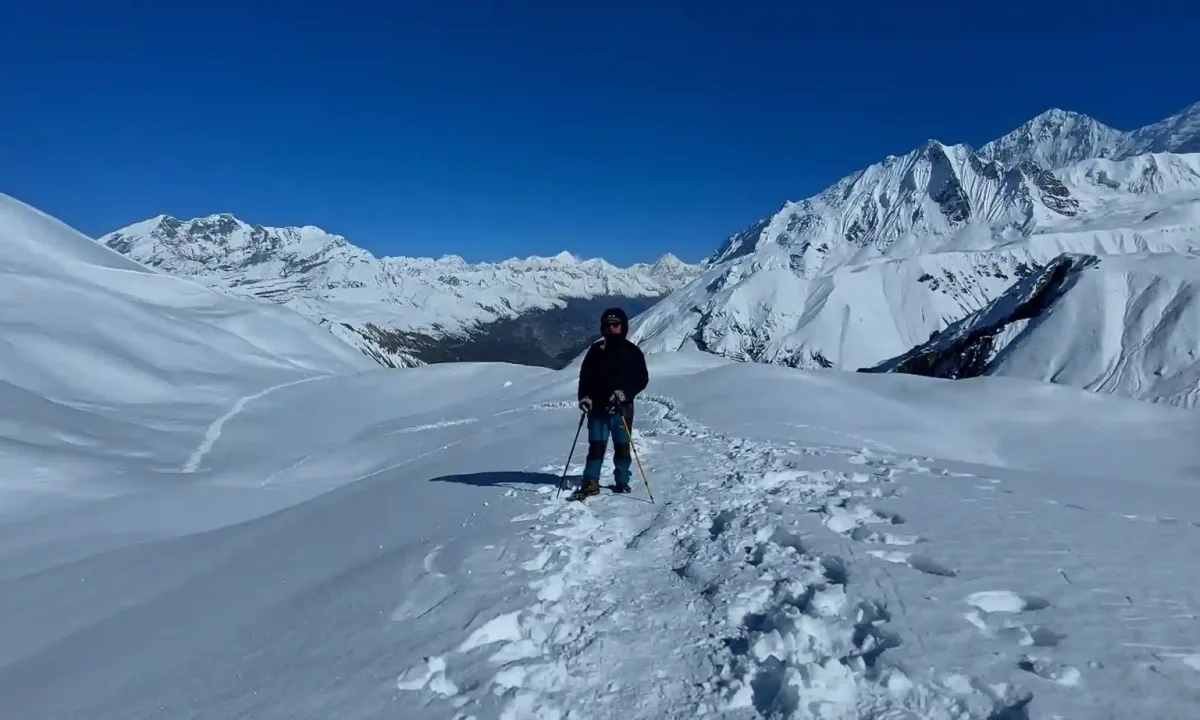
Trekkers are rewarded with panoramic vistas that are simply breathtaking. The 360-degree views encompass towering peaks, including Dhaulagiri, the Annapurna massif, Manaslu, Tilicho Peak, and the Chulu and Nilgiri ranges. Beyond the physical beauty, crossing the pass is a journey of self-discovery, offering a profound sense of achievement and personal growth upon reaching such a formidable altitude.
The Ascent and Descent: A Detailed Trekking Experience
Manang: The Gateway to Acclimatization
Before attempting the pass, acclimatization is absolutely critical. Manang (3,519m) serves as the perfect gateway for this purpose. Taking crucial acclimatization days here is necessary to prevent High Altitude Sickness (AMS). During your rest days, recommended acclimatization hikes include the challenging trek to Ice Lake or a shorter visit to Gangapurna Lake, both of which help your body adjust to the thinning air while offering spectacular views.
From Manang to Thorong Phedi / High Camp
The trekking section from Manang leads you steadily upwards through Yak Kharka to the base of the pass. You will have a strategic overnight stay at either Thorong Phedi (4,450m) or High Camp (4,850m). Resting and preparing here is vital before the final, demanding push to the summit.
The Summit Day: Thorong Phedi / High Camp to Thorong La Pass
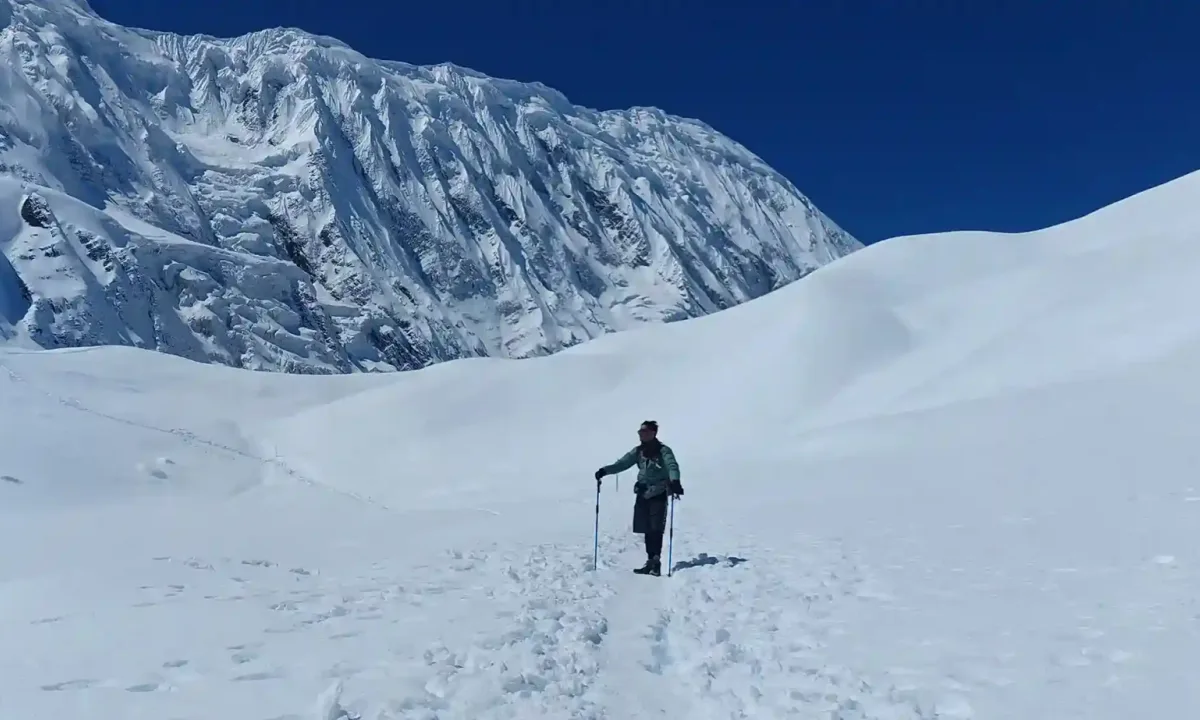
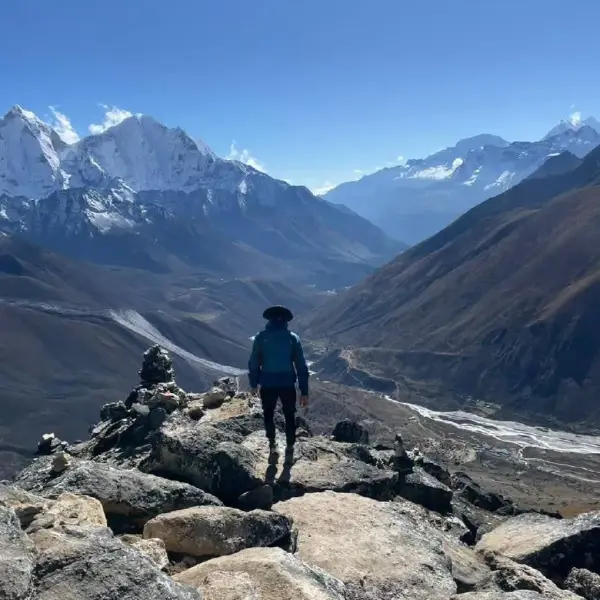
Summit day requires an early morning start, often before dawn. This rationale is based on avoiding the strong afternoon winds that typically sweep across the pass. The terrain presents significant challenges; it is a steep, rocky path where the thinning air tests both physical and mental demands. However, the ultimate reward is the awe-inspiring experience of witnessing the sunrise over the Himalayas, illuminating the spiritual prayer flags that mark the pass.
The Descent to Muktinath: A Spiritual and Scenic Journey
The journey doesn’t end at the summit. The descent to Muktinath (3,800m) is a challenging one, placing considerable strain on knees and legs during the long, steep drop. Yet, it is accompanied by changing landscapes, highlighting the dramatic shift from snowy peaks to the arid, desert-like terrain of Mustang. Finally, you reach Muktinath’s embrace. The spiritual significance of Muktinath Temple, revered by both Hindus and Buddhists, offers a profound sense of peace and completion after the arduous climb.
Navigating the Challenges: Safety and Preparation
High Altitude Sickness (AMS)
Understanding AMS is paramount. Symptoms of acute mountain sickness include headache, nausea, dizziness, and fatigue. To prevent this, strict acclimatization strategies must be followed: ensure a gradual ascent, maintain proper hydration, and take adequate rest. If AMS symptoms appear, emergency protocols dictate that you must descend immediately; never ascend with symptoms.
Weather at Thorong La Pass
The weather at the pass is notoriously unpredictable. Expect extreme temperature fluctuations, often dropping well below freezing, especially in the early morning. Sudden weather changes are common, bringing the possibility of snow, wind, and fog without warning. Therefore, packing essentials must include appropriate layered gear, a windproof shell, and warm accessories for varying conditions.
Physical and Mental Preparedness
A successful Thorang La pass trek requires rigorous pre-trek training. Focus on cardiovascular exercises and preparation for physical endurance, such as hiking with a loaded backpack. Equally important is mental fortitude; the importance of a positive mindset and perseverance cannot be underestimated when facing the physical toll of high altitude.
Permits and Regulations
To undertake the Annapurna Circuit Trek, specific permits are required. You will need a TIMS (Trekkers’ Information Management System) card and an Annapurna Conservation Area Permit (ACAP). These can be obtained in Kathmandu or Pokhara. Always adhere to local regulations and guidelines to ensure a safe and responsible trek.
Best Time to Trek Thorong La Pass: Seasonal Insights
Autumn (September - November): The Golden Season
Autumn is widely considered the best time to trek Thorong La. The weather conditions are generally stable with clear skies and moderate temperatures. Visibility is excellent, offering the best mountain views. However, as it is the peak season, expect higher crowd levels.
Spring (March - May): Rhododendrons and Clear Views
Spring is another excellent window. The weather conditions feature warming temperatures and blooming flora, particularly the vibrant rhododendrons in the lower sections. Visibility is good, though occasional haze can occur. Crowd levels are moderate to high.
Winter (December - February): A Challenging but Rewarding Experience
Winter trekking is only for the highly experienced. Weather conditions are harsh, with cold temperatures, heavy snowfall, and a significant risk of pass closure. While visibility can be excellent after fresh snow, it can also be poor during storms. Crowd levels are very low, but hiring experienced guides is essential.
Monsoon (June - August): Lush Landscapes, but Difficult Trekking
The monsoon season brings heavy rainfall, making trails slippery and infested with leeches in the lower regions. Visibility is often poor due to persistent clouds and fog. Crowd levels are very low, and crossing Thorong La Pass during this time is generally not recommended due to safety concerns.
Expert Tips for a Successful Thorong La Trek
• Pacing: Walk slowly and steadily. “Bistari, bistari” (slowly, slowly) is the mantra for high altitude.
• Hydration: Drink at least 3-4 liters of water daily to aid acclimatization.
• Essential Gear: Invest in high-quality, broken-in trekking boots, a warm sleeping bag, and reliable windproof layers.
• Respect Local Culture: Dress modestly, ask permission before taking photos of locals, and follow Leave No Trace principles.
Conclusion
Trekking to Thorong La Pass is a monumental achievement that rewards you with some of the most spectacular scenery on earth and a deep sense of personal triumph. By understanding the challenges, preparing adequately, and respecting the high-altitude environment, you can safely navigate this iconic Himalayan gateway. Inspire yourself to plan this high-altitude adventure and experience the magic of the Annapurna Circuit firsthand.
Frequently Asked Questions (FAQs)
How difficult is Thorong La Pass?
The trek is considered challenging, primarily due to the high altitude (5,416m) and the long, steep descent to Muktinath. It requires a good level of physical fitness and mental determination, though no technical climbing skills are needed.
What are the symptoms of AMS, and how can I prevent it?
Symptoms include headache, nausea, loss of appetite, and fatigue. Prevention involves a gradual ascent profile, taking acclimatization days (especially in Manang), staying hydrated, and avoiding alcohol.
Do I need a guide or porter for Thorong La?
While experienced trekkers can navigate the Annapurna Circuit independently, hiring a guide is highly recommended for safety, especially for navigating the pass in unpredictable weather. A porter can significantly ease the physical burden.
What permits are required for the Annapurna Circuit Trek?
You need two permits: the Annapurna Conservation Area Permit (ACAP) and the Trekkers’ Information Management System (TIMS) card.
What is the best time of year to trek Thorong La?
The optimal times are during the Autumn (September to November) and Spring (March to May) seasons, which offer the most stable weather and clearest views.
What should I pack for the Thorong La trek?
Essentials include layered clothing (base layers, insulating mid-layers, wind/waterproof outer shell), a warm sleeping bag (rated for sub-zero temperatures), sturdy trekking boots, trekking poles, a first-aid kit, and sun protection.
Traveller and Co-founder of Travories.
Comments
Join the conversation and share your thoughts.
Loading comments…