12 Common International Travel Mistakes and How to Avoid Them
First time abroad? Dodge costly international travel mistakes with these 12 expert tips on packing, visas, budgeting, and more.


Stepping onto an international flight for the very first time is an exhilarating milestone. Whether you are heading off on a cultural city break across historic European capitals, embarking on a high-altitude trek through the Himalayas, or joining an organized adventure tour, the anticipation is unmatched. However, navigating a foreign country with unfamiliar customs, foreign currencies, and complex transit systems can also be overwhelming for newcomers.
First-time travelers frequently fall victim to common pitfalls that can easily turn a dream vacation into a stressful ordeal. From overlooking critical administrative details that result in travel document mistakes to falling into classic overpacking mistakes, avoiding these rookie errors ensures a seamless journey. Tailored for global explorers and adventure-seekers, this guide breaks down the 12 most frequent international travel mistakes and outlines how you can sidestep them like a seasoned pro.
1. Overlooking Passport Validity and Visa Rules
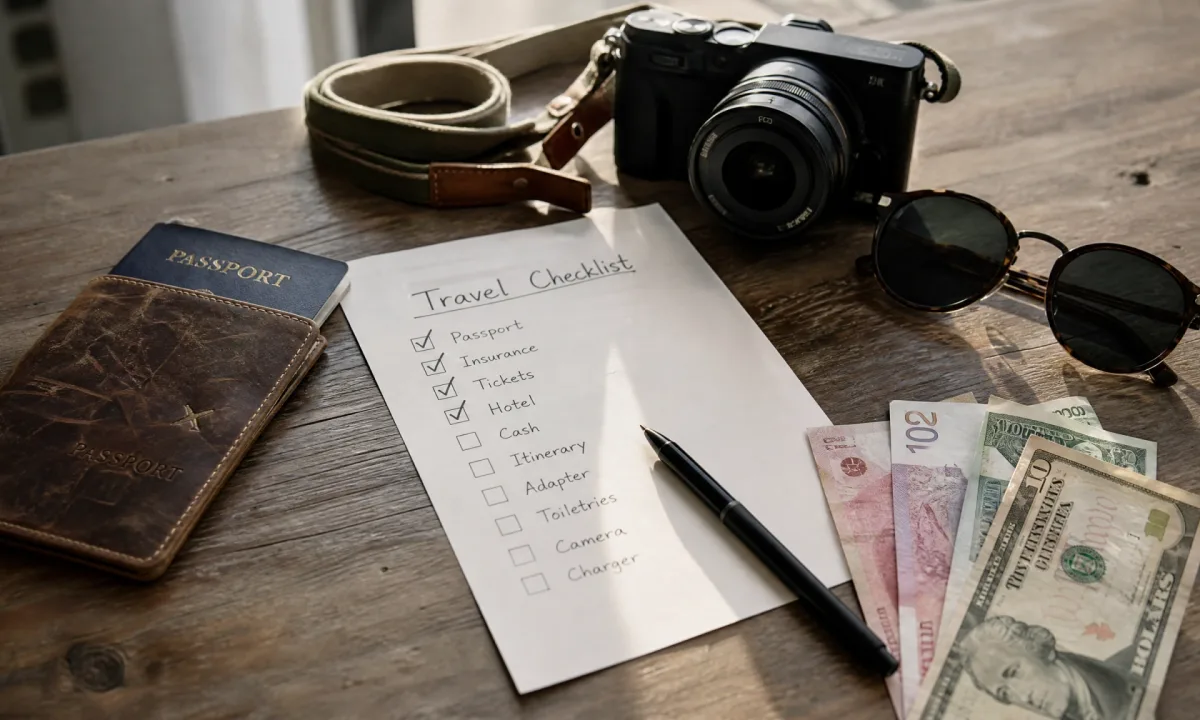
One of the most consequential travel planning errors involves assuming that a passport is entirely valid for travel simply because its expiration date has not yet passed. Many foreign nations enforce a strict six month passport validity rule beyond your scheduled departure date. Failing to check this requirement or neglecting to secure necessary visas and electronic travel authorizations well in advance can abruptly halt your journey at the airline check in counter before you even leave the ground. To prevent this, start building your travel document checklist the moment you begin conceptualizing your trip. Include your passport expiration date, entry visa requirements, and transit visa policies for every country on your itinerary so nothing critical slips through the cracks.
2. Overpacking Like You're Moving Abroad

Packing for an international trip often triggers anxiety, leading newcomers to commit severe overpacking mistakes. Lugging thirty kilograms of "just in case" clothing and gear across cobbled streets, crowded railway stations, or rugged mountain trails transforms transit days into exhausting ordeals. The secret to smart travel is shifting your mindset from individual outfits to a cohesive travel capsule wardrobe. By choosing versatile, neutral layers that mix and match effortlessly, limiting footwear to two comfortable pairs, and remembering that laundry facilities are universally available, you can keep your luggage remarkably light.
| Packing Trap | The Rookie Approach | The Smart Traveler Approach |
|---|---|---|
| Clothing | A unique outfit for every single day | Versatile layers and a modular capsule wardrobe |
| Footwear | 4 to 5 pairs of specialized shoes | 2 comfortable pairs (one walking, one evening) |
| Gear | Bulky "just-in-rails" electronics and gear | Multi-use items; renting specialized gear locally |
3. Skipping or Underinsuring Your Trip
Viewing travel insurance as an unnecessary expense is a dangerous gamble. Skipping insurance entirely, or purchasing a basic policy that fails to cover medical emergencies, trip cancellations, or specialized adventure activities like trekking, can lead to catastrophic out-of-pocket expenses abroad. Comprehensive travel insurance should be secured the moment your flights or tours are locked in. If your itinerary involves mountain exploration or remote wilderness tours, verify that your policy explicitly covers high-altitude emergency medical evacuation.
4. Cramming Too Much Into the Itinerary
Enthusiasm often gets the better of first-time travelers, resulting in frantic itineraries that attempt to cover too many cities or countries in too narrow a timeframe. Racing from one tourist hotspot to the next without pause leads to severe mental and physical exhaustion, leaving little room to actually enjoy the destination. Instead of treating travel like a high-stakes checklist, slow your pace. Build buffer days into your schedule to account for transit delays, unexpected discoveries, and necessary rest. Authentic cultural immersion always trumps a rushed sightseeing marathon.
5. Carrying All Cash or Failing to Inform Banks
Financial mismanagement remains one of the most frequent travel budgeting errors made abroad. Relying entirely on a massive stash of physical cash makes you an immediate target for opportunistic theft, while failing to notify your credit card issuers about your international travel dates often results in automated fraud detection systems freezing your accounts. Always inform your bank before departure. Carry a diversified mix of payment methods, including a primary credit card with no foreign transaction fees, a secure digital wallet, and a modest amount of local currency for small vendors or remote areas where card machines are unavailable.
6. Ignoring Local Customs and Etiquette
Being culturally clueless can quickly lead to awkward or offensive social interactions. Whether it involves wearing revealing attire at sacred religious sites, speaking too loudly in quiet public spaces, or failing to acknowledge basic local greetings, small missteps create an unfavorable impression. Conducting pre-trip research on local etiquette, dress codes, and social norms demonstrates respect for your hosts. Simple gestures such as learning how to say "hello" and "thank you" in the local language, go a long way in fostering warm, memorable connections with residents.
7. Underestimating Jet Lag and Altitude
Crossing multiple time zones disrupts your internal circadian rhythm, yet many travelers make the mistake of booking intensive physical excursions or packed sightseeing tours immediately upon landing. Similarly, ascending rapidly into high-altitude mountain regions without proper acclimatization invites altitude sickness. Give your body twenty-four to forty-eight hours to adjust to a new time zone by staying hydrated, embracing natural daylight, and avoiding heavy exertion. If your adventure involves trekking, ensure your itinerary incorporates gradual elevation gains to keep your body safe and energized.
8. Relying Solely on Public Wi-Fi
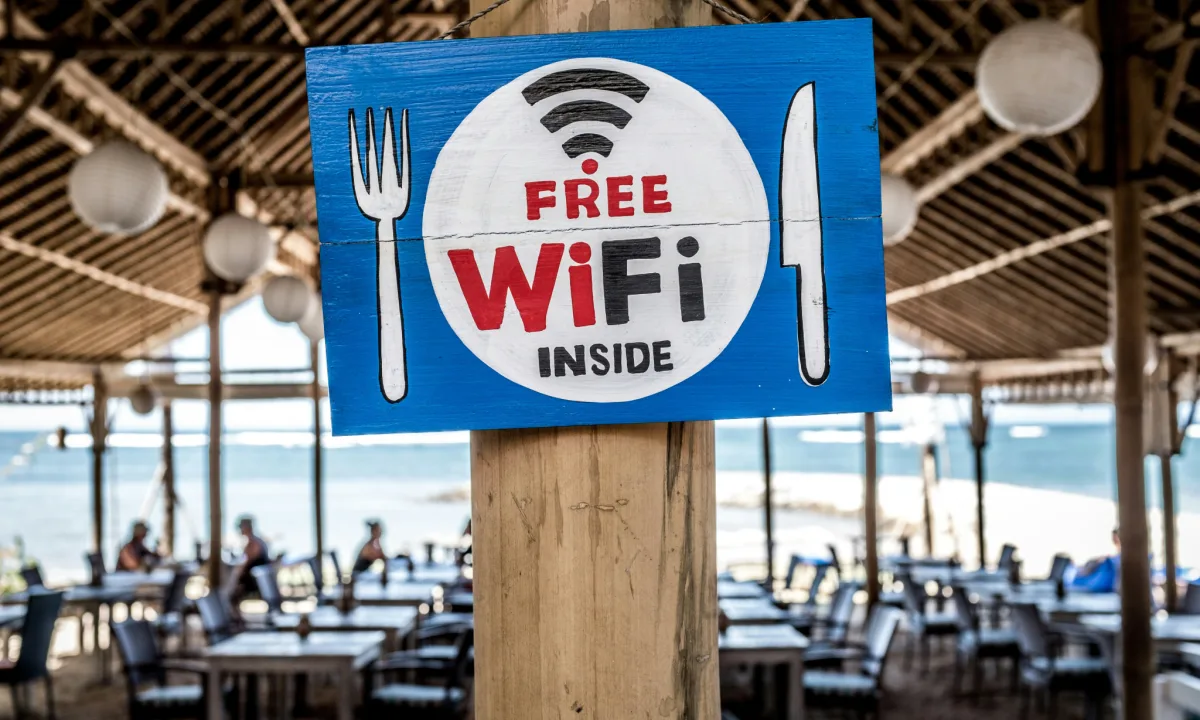
Assuming that reliable public Wi-Fi will be accessible everywhere for navigation, translation, and emergency communication is a precarious strategy. When connectivity drops in an unfamiliar neighborhood, minor inconveniences can quickly escalate into stressful situations. To maintain smooth digital access, purchase a local SIM card or activate an international eSIM before boarding your flight. Furthermore, proactively downloading offline Google Maps, translation dictionaries, and travel documents ensures you remain fully self-sufficient regardless of network coverage.
9. Failing to Back Up Important Documents
Losing your passport, visa, or travel confirmations can instantly derail an international trip, especially if those documents exist only in physical form or are locked inside a dead smartphone. Safeguarding your journey requires establishing reliable digital and physical backups. Take clear photographs of your passport identification page, visas, insurance policy, and booking receipts. Email these files to yourself and a trusted family member, store them securely in cloud storage, and keep physical photocopies separated from your original documents in your luggage.
10. Choosing "Cheapest" Over "Best Value"
When operating on a tight budget, it is tempting to select the absolute cheapest tour agency, budget accommodation, or transit option available. However, prioritizing rock-bottom prices over quality frequently results in substandard safety standards, unhygienic conditions, poor customer service, or last-minute cancellations. Travories evaluate choices based on overall value rather than cost alone. Reading verified traveler reviews, comparing package inclusions side-by-side, and booking through reputable platforms that vet their local operators guarantees a much higher quality experience.
11. Not Budgeting for Hidden Costs
Creating a rigid travel budget that accounts exclusively for flights and hotels while neglecting daily incidental expenses is a classic planning oversight. International travel invariably introduces secondary costs, such as departure taxes, local transport, visa processing fees, tips, souvenirs, and emergency reserves. Building a fifteen to twenty percent financial buffer into your overall travel budget ensures you remain completely comfortable and stress-free when unexpected expenses arise during your journey.
12. Sweating the Small Stuff (Letting Mistakes Ruin the Trip)
Even with meticulous planning, minor travel hiccups such as a missed bus, a language barrier, a delayed meal, or an unexpected rain shower, are bound to occur. First-time travelers sometimes allow minor frustrations to overshadow their entire experience. Cultivating mental resilience and embracing the unpredictable nature of global travel is essential. Often, the most cherished travel stories originate from unexpected detours and resolved mishaps. Maintaining a sense of humor turns frustrating moments into unforgettable adventures.
"The joy of travel is not necessarily doing it right, it's having fun with the process, being wonderstruck with a wider world, laughing through the mistakes and learning from them, and making friends along the way. "
Conclusion
Making occasional missteps on your first international trip is entirely normal, but with proper foresight and preparation, you can avoid the most common travel planning errors and travel preparation mistakes. By staying organized, respecting local cultures, and prioritizing safety, you set the stage for an extraordinary global adventure.
Proper planning transforms uncertainty into confidence, ensuring that your international endeavors leave you with lifelong memories of discovery rather than logistical headaches. Embrace the journey, stay adaptable, and step out into the world fully prepared for whatever adventure awaits.
Frequently Asked Questions (FAQs)
What is the single most common mistake first-time international travelers make?
One of the most frequent oversights is failing to check passport validity and visa requirements far enough in advance. Many countries require your passport to remain valid for at least six months beyond your departure date, and missing this detail can result in denied boarding at the airport.
How can I effectively avoid heavy baggage fees and overpacking mistakes?
Stick to a versatile travel capsule wardrobe, use packing cubes to compress your items, choose multi-use clothing layers, and strictly limit your footwear to two comfortable pairs. If you are participating in outdoor activities, consider renting bulky gear locally rather than hauling it internationally.
Do I really need to purchase travel insurance for international trips?
Yes, absolutely. Comprehensive travel insurance protects you against unexpected medical emergencies, hospitalizations, trip cancellations, lost luggage, and emergency evacuations, shielding you from potentially thousands of dollars in out-of-pocket expenses abroad.
How much physical cash should I carry when traveling abroad?
You should carry only a small amount of local currency for minor emergencies or cash-only vendors. Rely primarily on travel-friendly credit cards and digital wallets, but remember to notify your financial institutions of your travel dates before departing to prevent card freezes.
How can I manage connectivity and navigation issues in a foreign country?
Avoid relying solely on unpredictable public Wi-Fi by purchasing an international eSIM or a local SIM card upon arrival. Additionally, always download offline maps, translation apps, and digital itinerary copies before embarking on your trip.
Claire
www.travories.comTravel Writer
Comments
Join the conversation and share your thoughts.
Loading comments…