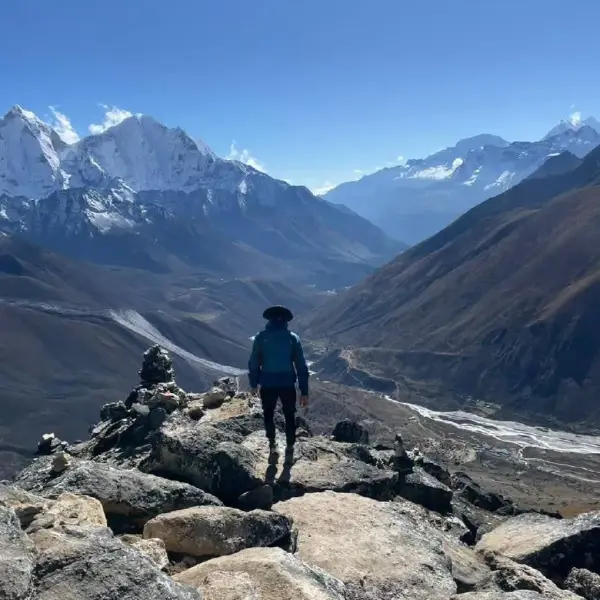
International Travel Checklist: Your Ultimate Guide to Stress-Free Adventures Abroad
Planning a trip abroad? This international travel checklist covers documents, insurance, packing, and prep , so nothing gets left behind.


Embarking on an international journey is an exhilarating experience, whether you are planning a cultural tour through historic cities, a fastpacking expedition across remote ridges, or a bucket-list trek in the Himalayas. However, traveling abroad requires meticulous preparation beyond simply tossing clothes into a suitcase. Forgetting critical documentation, overlooking health requirements, or failing to secure proper insurance can quickly turn an anticipated dream vacation into a logistical nightmare.
To help you navigate your preparations seamlessly, this comprehensive international travel checklist covers everything you need to know. Specifically tailored for modern adventurers and global explorers, this guide integrates essential tips, document management protocols, and specialized advice, especially useful if your travels take you on rugged treks and tours through extraordinary destinations like Nepal.
Phase 1: Essential Documentation & Legal Preparations
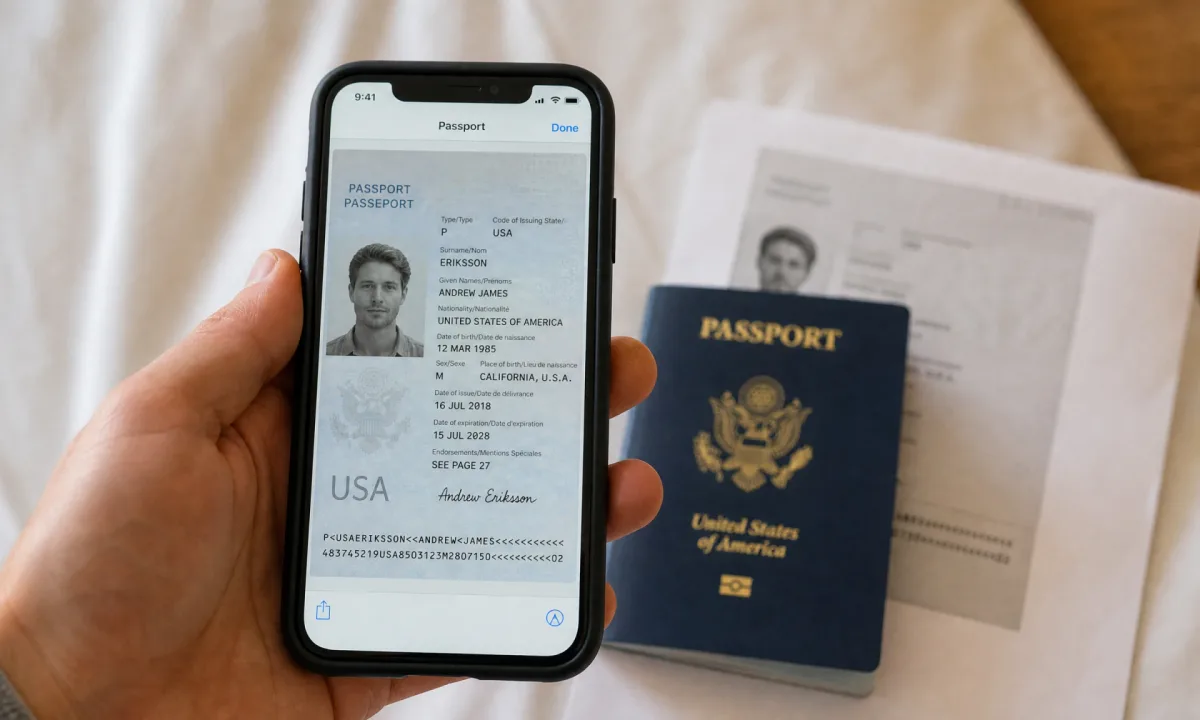
Before booking flights or packing gear, securing and organizing your legal documents is the absolute priority when reviewing any international travel documents checklist. A passport is your most vital credential, and ensuring its validity is paramount. Most international destinations require your passport to remain valid for at least six months beyond your scheduled date of return.
Failing to check this expiration window can result in denied boarding at the airport or refusal of entry by foreign customs officials. Additionally, research whether your destination requires a traditional visa or an electronic travel authorization well in advance, as processing times can vary significantly.
Equally important is the creation of reliable backups for all your critical paperwork. Make multiple physical photocopies of your passport identification page, visas, travel itinerary, and emergency contact numbers. Leave one set of copies with a trusted friend or family member at home, pack another set separately from your original documents in your luggage, and store secure digital images of everything on your smartphone or in encrypted cloud storage. Having digital copies accessible can be a lifesaver if your physical bag is lost or stolen.
Financial preparation is another crucial element of your pre-departure protocol. Notify your bank and credit card issuers about your travel dates and destinations to prevent automated fraud detection systems from freezing your accounts upon detecting foreign transactions.
It is always wise to carry a diverse mix of payment methods, including a primary credit card with no foreign transaction fees, a backup card stored separately, and a modest amount of local currency obtained from your bank prior to departure or withdrawn securely from an official ATM upon arrival.
| Document Category | Action Item | Best Practice |
|---|---|---|
| Passport | Verify expiration date | Must be valid for at least 6 months past return date |
| Visas & Permits | Check entry requirements | Apply weeks in advance; secure trekking/conservation permits |
| Backups | Photocopy and digitize | Keep physical copies separate; store digital scans on cloud/phone |
| Finances | Notify financial institutions | Inform banks of travel dates; carry diverse payment methods |
Phase 2: Health, Safety, & Insurance Preparations
International travel, particularly when it involves adventure sports, trekking, or remote exploration, demands rigorous health and safety planning to protect against unforeseen circumstances. Standard domestic health insurance policies, including Medicare and Medicaid, rarely cover medical care or emergency expenses incurred outside your home country.
Therefore, purchasing comprehensive international travel insurance is non-negotiable. Ensure your policy explicitly covers emergency medical treatment, hospital stays, and, crucially, high-altitude emergency medical evacuation, an essential safeguard if you plan on engaging in trekking, mountaineering, or fastpacking in mountainous regions.
Medical preparation should begin several weeks before your departure date. Schedule a visit to a travel health clinic or consult your physician at least six to eight weeks prior to travel to determine what destination-specific vaccinations or prophylactic medications you may need. Some immunizations require multiple doses administered over several weeks to achieve full efficacy. Furthermore, if you take prescription medications, ensure you have an adequate supply for the entirety of your trip, accompanied by doctor's notes and properly labeled pharmaceutical bottles to comply with international customs regulations.
To stay informed about safety conditions on the ground, register your travel itinerary with your home country's embassy or enrollment program, such as the Smart Traveler Enrollment Program (STEP) for U.S. citizens. Enrollment ensures that your government's local embassy or consulate can contact you in the event of an emergency, natural disaster, or civil unrest, and allows them to send critical security alerts directly to your inbox.
Phase 3: The Ultimate Packing Checklist for International Travel
When putting together your packing checklist for international travel, balancing versatility, comfort, and destination-specific requirements is key to maintaining a manageable bag while remaining fully prepared.
Carry-On Essentials
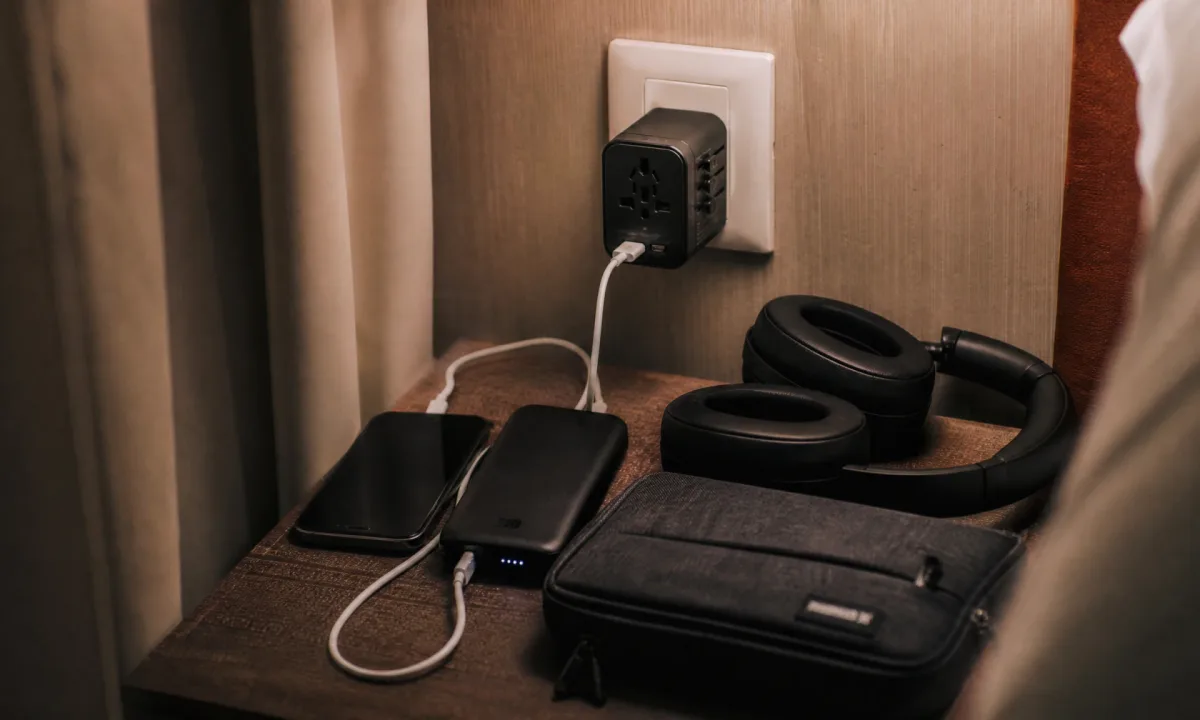
Your carry-on bag should contain all items necessary to sustain you for the first forty-eight hours in the event that your checked luggage is delayed or lost. This should include your valid passport and visas, essential prescription medications, a wallet with cash and cards, a universal power adapter, a reliable portable power bank, and basic personal comfort items such as an eye mask, earplugs, and a lightweight travel scarf.
General Apparel & Footwear
For urban exploration and transit days, build a versatile travel capsule wardrobe consisting of neutral, mix-and-match pieces that can be layered depending on the climate. Pack comfortable, broken-in walking shoes for exploring cities and airports, ensuring you avoid blisters and fatigue during long travel days.
Gear for Adventure and Trekking Travelers
If your international itinerary involves active exploration, trekking, or fastpacking, such as navigating the iconic trails of Nepal, your packing list must expand to include technical gear. Incorporate moisture-wicking base layers, durable and breathable trekking trousers, a lightweight waterproof and windproof outer shell, sturdy hiking boots with aggressive tread and ankle support, a durable 20 to 30-liter daypack, and a dependable water purification system or hydration bladder. Proper gear ensures comfort, safety, and resilience against unpredictable mountain weather.
Phase 4: Pre-Departure Tech and Home Preparation
A truly stress-free journey begins before you even walk out your front door. Modern travel relies heavily on digital connectivity, so make sure to review international roaming plans with your mobile provider or research local eSIM and SIM card alternatives to ensure you can stay connected upon arrival.
Additionally, download offline utilities that do not require an active internet connection. Saving offline maps on Google Maps, translation dictionaries, airline applications, and offline entertainment will save you considerable stress when navigating unfamiliar airports or remote areas with limited data coverage.
Finally, ensure your home is fully secured before you leave. Stop your mail and package deliveries, arrange for trusted pet or plant care, unplug non-essential electronic appliances to conserve energy and protect against power surges, and double-check that all windows and doors are securely locked. Taking care of these domestic details guarantees complete peace of mind while you enjoy your global adventure.
Conclusion
Preparation is the secret ingredient that transforms a potentially chaotic trip into a seamless, life-changing adventure. By utilizing a thorough checklist for international travel, you can eliminate pre-trip anxiety and focus entirely on the extraordinary experiences ahead. Whether you are navigating bustling international capitals or venturing into the majestic, rugged mountains of Nepal, being well-prepared ensures you can embrace every moment with confidence.
Ready to turn your travel dreams into reality? Visit Travories to compare and book exceptional Nepal treks, cultural tours, and curated adventure packages tailored for every global explorer!
Frequently Asked Questions (FAQs)
What are the absolute must-haves on an international travel documents checklist?
The absolute must-haves include a valid passport with at least six months of validity remaining beyond your return date, necessary visas or electronic travel authorizations, international travel insurance policy documents, physical and digital photocopies of your itinerary and passport, and a combination of credit cards and local currency.
How far in advance should I start preparing for international travel?
It is recommended to start planning two to three months in advance. This gives you ample time to check passport expiration dates, apply for visas, consult a travel doctor for required vaccinations which can take several weeks to become fully effective and research destination-specific safety guidelines.
Does standard health insurance cover me during international travel?
Generally, no. Most domestic health insurance policies, including Medicare and Medicaid, do not cover medical care outside your home country. It is crucial to purchase dedicated international travel medical insurance that also covers emergency medical evacuation, especially if you plan on engaging in trekking or adventure sports.
What electronic adapters do I need to pack?
Adapter requirements vary widely depending on your destination, such as Type C and F plugs in Europe or Type G in the United Kingdom. Packing a universal travel adapter with built-in surge protection and interchangeable plug configurations ensures you can charge your electronic devices anywhere in the world.
How should I manage money while traveling abroad?
It is best to carry a diversified combination of payment methods: a primary credit card with no foreign transaction fees, a backup credit or debit card stored separately from your wallet, and a modest amount of local currency obtained prior to departure or withdrawn safely from an official ATM upon arrival.
What specialized gear should be added to an international travel packing checklist for Nepal?
If your trip involves trekking or fastpacking in Nepal, your packing list should include moisture-wicking technical layers, broken-in waterproof hiking boots, a reliable daypack, trekking poles, a lightweight down jacket, and a certified water purification system.
Traveller and Co-founder of Travories.
Comments
Join the conversation and share your thoughts.
Loading comments…