Traditional Dances of Nepal: A Journey Through Culture & Heritage
From the streets of Kathmandu to the hills of far-western Nepal — discover the folk dances that have kept Nepal's cultural identity alive for generations.


When people think about Nepal, they often imagine mountains, temples, and peaceful landscapes. Beyond the Himalayas, there is another beautiful aspect of the country that brings it alive, its traditional dances.
These dances are more than just performances; they are living traditions passed down through many generations. From the Himalayas to the plains, folk dances of Nepal reflect history, religion, and community spirit.
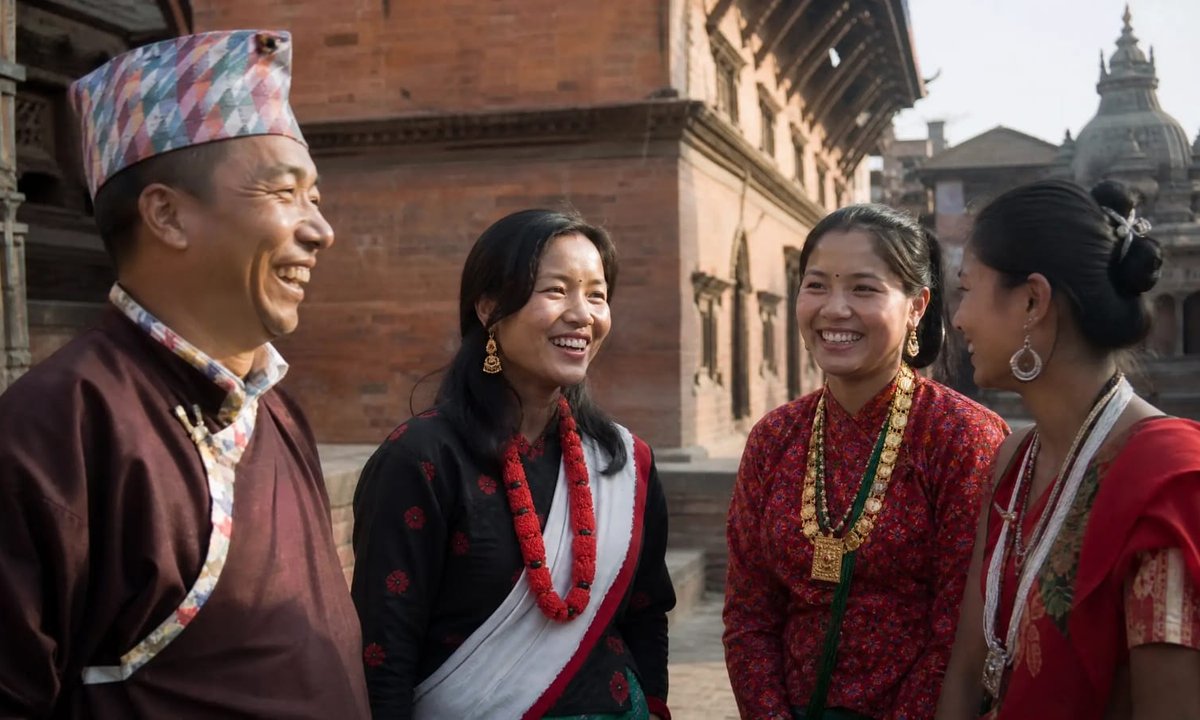
In both villages and cities, you will see Nepali cultural dances performed during festivals, weddings, and special gatherings. These performances play an important role in preserving cultural identity and bringing communities together.
Let’s walk through some of the most beautiful traditional dances in Nepal, helping you understand their stories, origins, and cultural importance.
Lakhe Dance
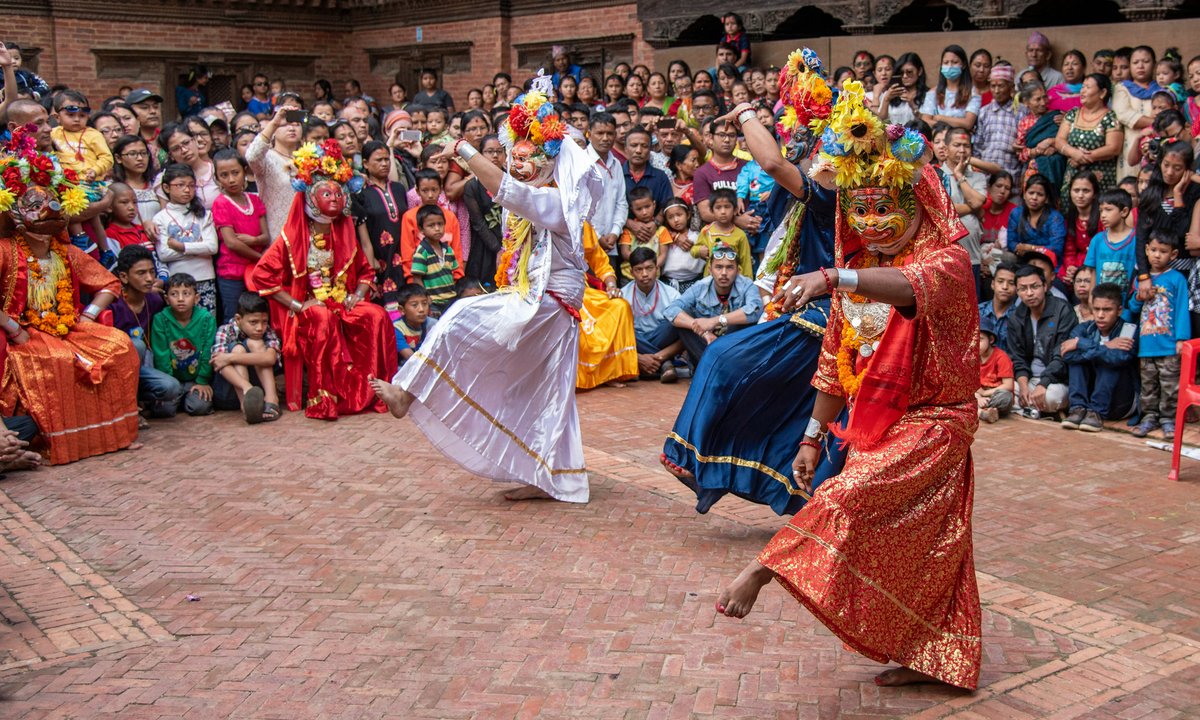
One of the exciting cultural dances in Nepal is the Lakhe dance, which is especially popular in the Kathmandu Valley. It is traditionally performed by members of the Newar community, one of the valley’s oldest cultural groups.
During the performance, the dancer wears a large, scary mask with wild hair and bright decorations. The performer moves energetically through streets and public squares with dramatic jumps and lively gestures, guided by traditional drums and music. The dance is performed during festivals like Indra Jatra (which usually happens in late August or early September) and other local celebrations.
Although the Lakhe’s appearance may seem frightening, it symbolises a protective spirit. According to local belief, the Lakhe drives away evil spirits and brings good luck to the community.
Tamang Selo
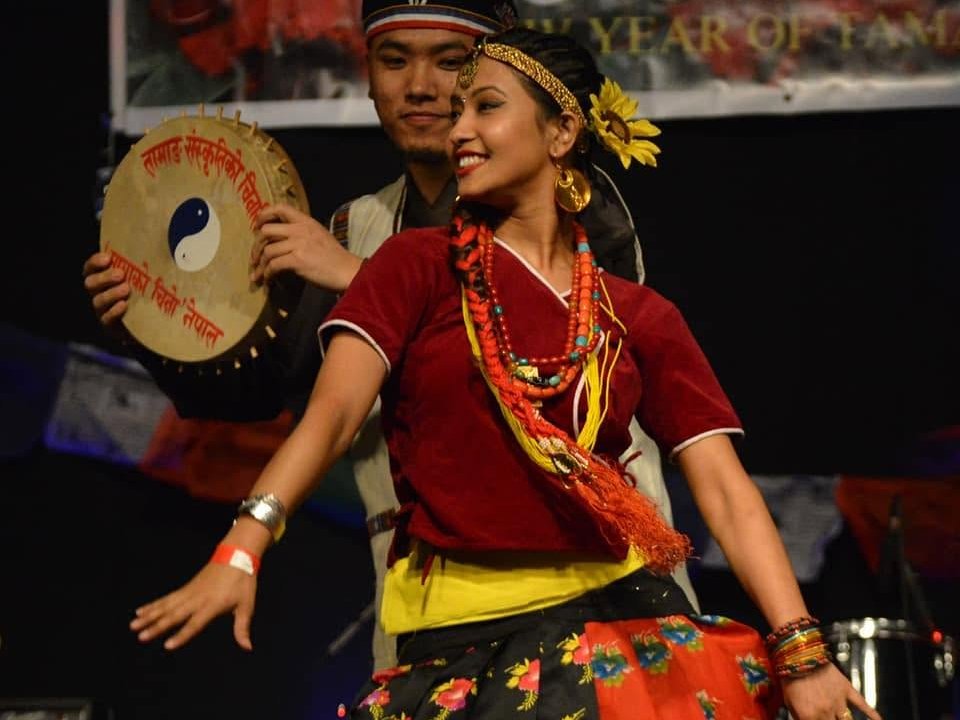
The Tamang community is one of the largest ethnic groups in Nepal, known for its vibrant folk tradition of Tamang Selo. This Nepali folk dance is especially known for its energetic circular movements and the distinctive sound of the Damphu, a traditional Nepalese drum.
Dancers gather in groups, moving in quick, lively steps that match the fast tempo of Selo songs. There is a playful and expressive energy in the way performers turn, clap, and respond to the music, filling festival gatherings with excitement and joy. The songs that accompany Tamang Selo often tell stories about love, sadness, and the simple joys of village life.
Tamang Selo is a big part of community celebrations, especially during Sonam Lhosar (the Tamang New Year in January-February). It is commonly performed during weddings, festivals, and community gatherings. It is one of the most loved folk dances in Nepal as it is easy to join and full of energy.
Maruni Dance
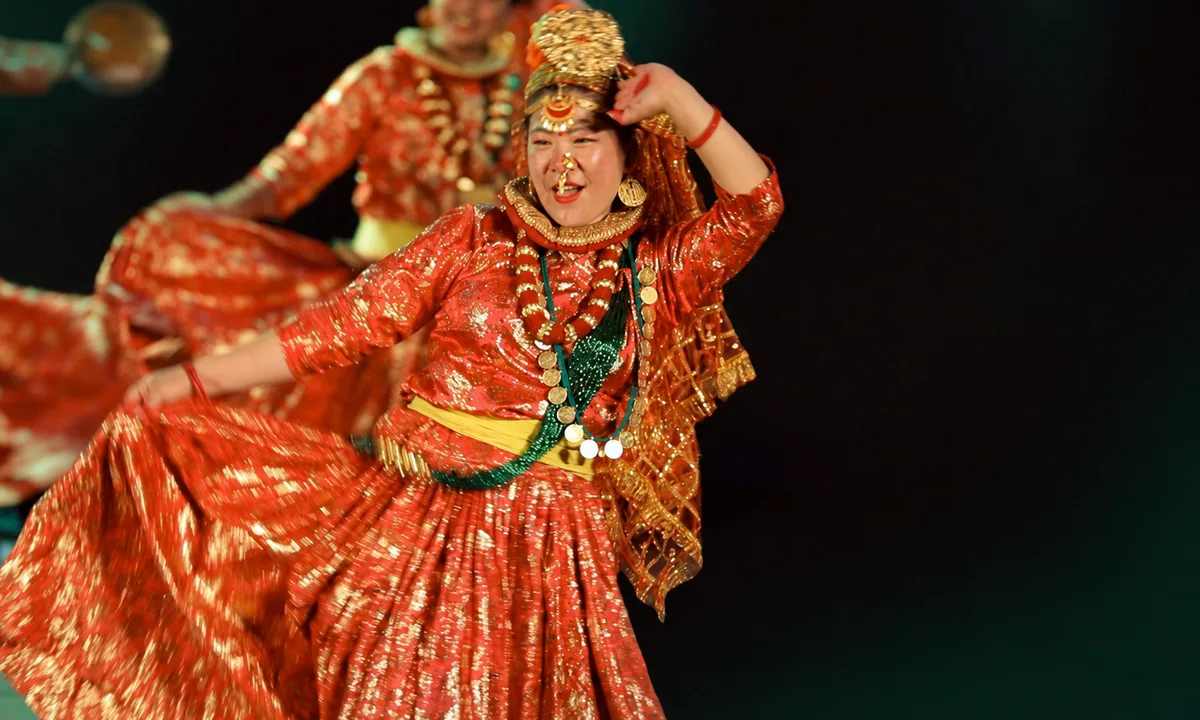
Maruni is a traditional dance from eastern Nepal, especially popular among communities in the hills of eastern and western Nepal. This Nepali folk dance is known for its beautiful moves, gestures and expressions.
In this dance, male performers often dress as female characters and wear colourful clothes and jewellery. They dance to the beat of the madal and old folk songs. You can see it at weddings and many festivals, especially during Dashain and Tihar (October-November).
With bright costumes, lively music, and expressive storytelling, Maruni brings joy wherever it is performed. The Maruni dance is a lovely example of how Nepalese dancing keeps cultural stories alive through graceful movements and acting.
Tharu Stick Dance
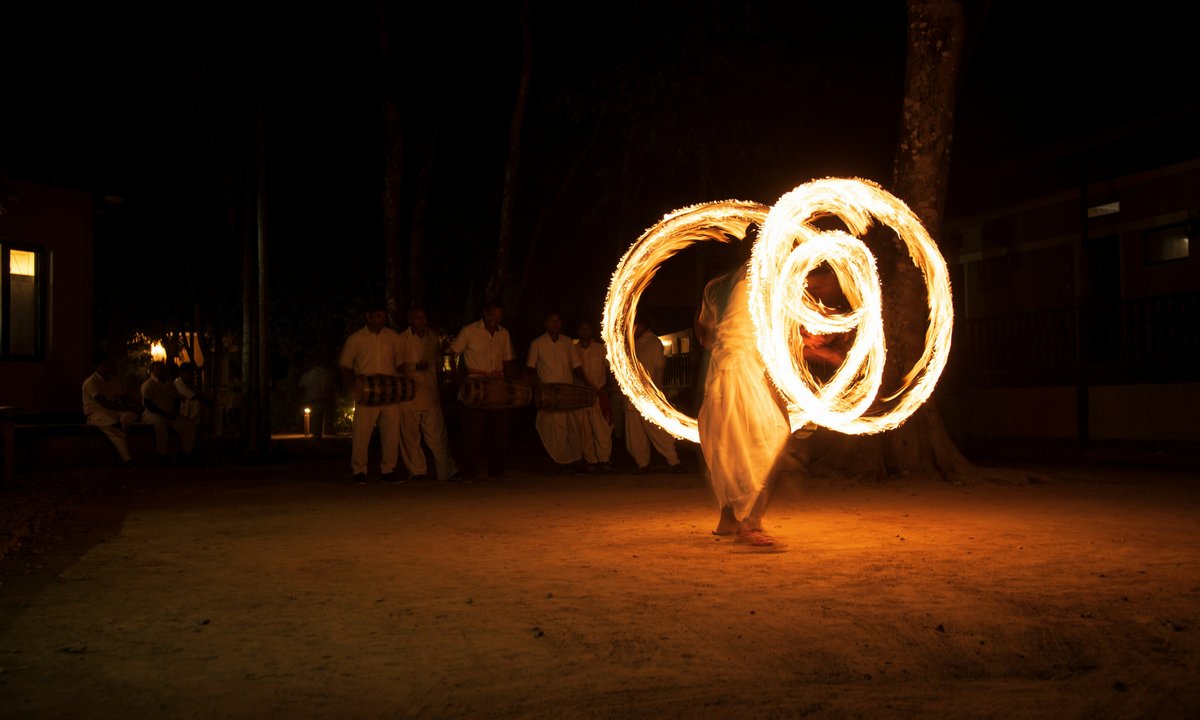
The Tharu community from the Terai region of Nepal performs a very energetic dance using sticks. The Tharu stick dance is a traditional performance where men and women form groups and strike sticks in rhythm while dancing in circles.
Dancers often hold short sticks and hit them together while moving in synchronised steps. The coordination between dancers is fast and energetic, accompanied by traditional Tharu music and drums. It is especially popular during festivals such as Maghi and other cultural gatherings.
The Lathi Naach is a great example of how dances in Nepal can be both a celebration and a way to show who they are. It represents strength, unity, and discipline within the Tharu community, highlighting the importance of cooperation and harmony in rural life.
Deuda Dance
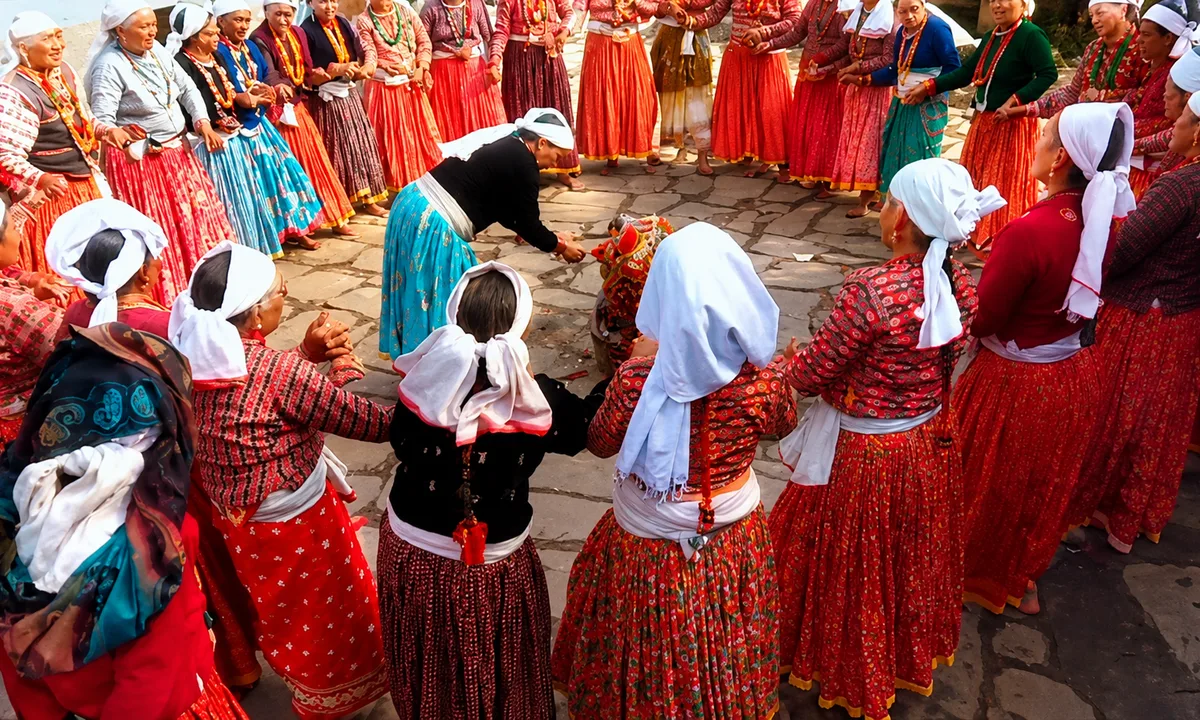
Deuda dance is a traditional group dance in Nepal from the far-western region, performed during festivals, fairs, and social occasions. It is more than just a cultural dance; it's a community event.
People form a circle, hold hands, and move slowly in rhythm while singing traditional deuda songs. Men and women sing verses back and forth, creating a lively and interactive experience. The songs often talk about poetry, love, and old stories.
Mainly performed during important festivals like Gaura Parva, this dance symbolises unity and equality, as it brings entire communities together. It reflects the strong communal spirit of far-western Nepal.
Sakela Dance
Sakela is an important traditional dance from eastern Nepal. The Rai and Limbu people, also called Kirat, perform it in eastern Nepal. This group dance is a way to honour old gods and celebrate farming. They perform it twice a year during the Sakela festival: Ubhauli (April-May) and Udhauli (November-December)
Participants move in a circular formation, imitating natural actions such as planting, harvesting, and animal movements. The steps are simple but deeply symbolic, guided by traditional drums and chants. Both men and women participate equally, creating a strong sense of unity.
It is one of the most symbolic Nepali cultural dance forms. It represents gratitude toward nature and ancestral spirits and symbolises the connection between human life, agriculture, and the natural world.
Ghatu Dance
Ghatu is a beautiful dance tradition of the Gurung community in western Nepal, particularly in areas like Lamjung. It is a ritualistic dance that tells the tragic story of King Pashramu and Queen Yambawati.
The dance involves two main dancers, known as Ghatusaris, who often enter a trance-like state. There are two types: Bahramase Ghatu, which can be performed year-round and depicts daily life, and Sati Ghatu, performed only during specific periods, focusing on the royal narrative. This deep spiritual experience mixes acting with religious devotion.
Ghatu dance is performed mainly during Baisakh Purnima (full moon day of the Nepali month Baisakh), with preparations starting on Shree Panchami. The dance is a profound cultural expression, preserving ancient folklore and spiritual beliefs.
Khukuri Dance
The Khukuri Dance is a strong Nepalese dance performed by people from the mountains, especially those linked to the Gurkha soldiers. The Khukuri Dance shows the brave spirit of the Nepali people and their history as fighters.
Dancers show amazing skill and quickness while holding the famous Khukuri knife, a well-known Nepali weapon. This proud and exciting dance is performed in army centres and during cultural shows. It stands for bravery and strength. The Khukuri dance tells the story of Nepal's brave fighters. It is a powerful show of Nepalese dancing that earns respect and admiration.
Why Dances In Nepal Are So Special?
Nepal is home to more than a hundred ethnic groups, each with its own customs and traditions. Dance helps preserve these identities and pass them from one generation to the next.
Every region, from mountains to plains, has its own style of Nepali folk dance. These cultural dances keep ancient stories alive, strengthen communities, and showcase Nepal's incredible diversity. What makes dances in Nepal truly unique is that they are not just stage performances; they are like a guidebook that provides a deeper understanding of the country's heritage. They are a way to celebrate festivals, a method of telling stories and a reflection of community unity
Where You Can Experience Nepali Cultural Dances
If you want to witness authentic Nepali cultural performances, consider visiting:
- Kathmandu during Indra Jatra for the Lakhey Dance
- Patan during the Kartik Naach festivals
- Eastern Nepal during Sakela celebrations
- Western Nepal for Ghatu and Kauda performances
- Far-West Nepal during the Gaura Festival for Deuda Dance
- Chitwan and the Terai region for Tharu cultural shows
Many cultural centres and traditional restaurants in Kathmandu also showcase Nepali traditional dance performances throughout the year.
Conclusion
Nepal is home to remarkable cultural diversity, with around 142 distinct caste and ethnic groups. Each community has its own special folk dances that express its heritage, beliefs, and way of life.
Exploring traditional dance in Nepal is like walking through the heart of its culture. From the powerful Lakhe dance to the peaceful Deuda circle, from energetic Tharu performances to spiritual Ghatu rituals, Nepalese dancing reflects the soul of the country.
Across different regions and communities, these dances continue to play an important role in festivals, rituals, and social gatherings. They also serve as an important way of preserving and passing cultural knowledge from one generation to the next. If you're inspired to experience these traditions firsthand, Travories helps you compare and book Nepal treks and tours so you can witness these living cultures up close.
Frequently Asked Questions
What is the famous dance in Nepal?
There is no single “official” famous dance in Nepal because different regions and ethnic groups have their own well-known traditions. While it's hard to pick just one, the Tamang Selo and Maruni Nritya are widely recognised and performed across various communities. The Lakhey Dance is also iconic, especially within the Kathmandu Valley.
Can tourists participate in traditional dances in Nepal?
Yes, tourists can often participate in Nepali traditional dances, especially during festivals and cultural programmes. In many villages, community events welcome visitors to join simple group dances like Tamang Selo or Deuda. Cultural shows in cities also encourage audience participation.
Where can I see traditional dances in Nepal?
Traditional dances in Nepal can be seen during festivals and cultural programs across the country. Many hotels, cultural villages, and tourist centres also arrange staged folk dance shows year-round, making it easy for visitors to enjoy Nepal’s diverse traditions. However, the most authentic experiences are during local festivals in places like Kathmandu, Lalitpur (Patan), the Terai region around Chitwan, and other cultural hubs across eastern and western Nepal.
What is the significance of Nepali folk dance?
Nepali folk dance is important because it preserves cultural heritage, expresses the identity of different ethnic communities, and keeps ancient stories, rituals, and traditions alive. It is closely linked with festivals, religion, agriculture, and community life, helping strengthen social unity and passing cultural values from one generation to the next.
Traveller and Co-founder of Travories.
Comments
Join the conversation and share your thoughts.
Loading comments…