Ethnic Groups in Nepal: 125+ Castes, Tribes & Cultures That Define a Nation
From the high Himalayas to the Terai plains — meet the 125+ castes, tribes, and communities whose languages, festivals, and traditions have shaped Nepal for centuries.
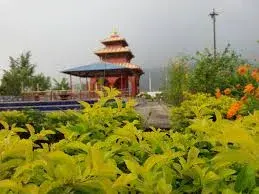

Nepal is one of the most culturally diverse countries in Asia. It is home to more than 125 ethnic groups, castes, and communities, all living together while preserving their distinct identities. When you travel across Nepal, from the high Himalayas to the hills and the Terai plains, you'll encounter a rich mix of cultures that make Nepal truly unique.
According to the latest 2021 census, the number of recognised ethnic groups in Nepal has actually grown to 142. This incredible variety is why Nepal is often described as a "garland of many flowers". Every ethnic group has its own language, its own traditional dress, and its own unique way of life.
If you are a traveller who loves culture, history, and people, this guide will help you understand the Nepali ethnic groups and the vibrant traditions that bring their stories to life. We will explore the people, traditions, and cultural heritage that have shaped Nepal’s identity for centuries.
Understanding Nepal's Ethnic Diversity
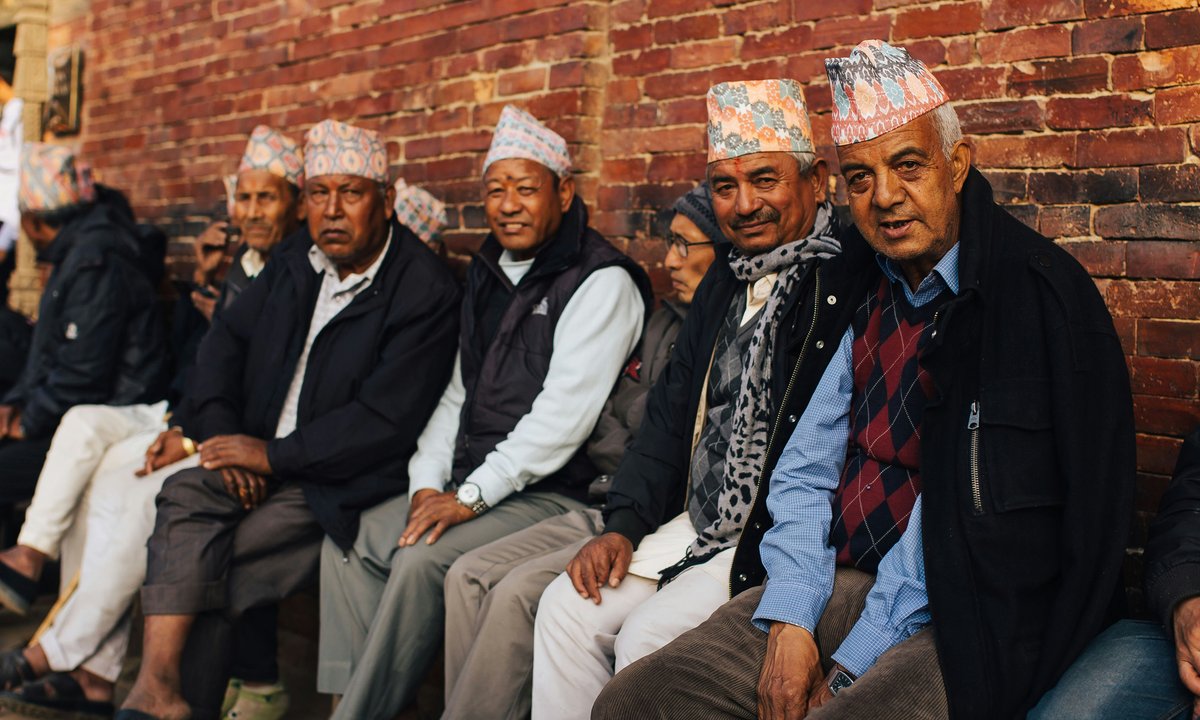
Nepal's ethnic map has developed through centuries of migration, trade, and cultural exchange. The country sits between India and Tibet, making it a meeting point of different civilisations.
The people of Nepal are generally divided into three main layers based on their historical origins:
- Indigenous Groups: These are the original inhabitants, such as the Newars of Kathmandu and the Tharus of the southern plains.
- Indo-Aryan Groups: These groups migrated from the south (India). They primarily live in the southern plains and the lower hills, including the Brahmin and Chhetri communities.
- Tibeto-Burman communities: These groups migrated from the north (Tibet and East Asia). They mostly live in the high mountains and middle hills. Examples include Sherpas, Tamangs, Gurungs, and Magars.
Despite such ethnic diversity, everyone lives together in remarkable peace. Because of this diversity, ethnicity in Nepal is often discussed alongside the country's traditional caste and ethnic system.
Nepal Religion Percentage and Cultural Influence
Religion plays an important role in shaping Nepalese identity. It acts as a thread that holds different cultures together. The majority of Nepalese people follow Hinduism, while Buddhism is the second-largest religion. Other faiths include Islam, Kirat, Christianity, and indigenous beliefs. Also, it is very common to find a Hindu temple and a Buddhist stupa standing side-by-side in the same courtyard. This blending of Hinduism and Buddhism can be seen in temples, monasteries, rituals, and even family traditions throughout the country.
Here is a quick look at the Nepal religion percentages based on the recent census:
| Religion | Percentage |
|---|---|
| Hinduism | 81.19% |
| Buddhism | 8.21% |
| Islam | 5.09% |
| Kirat | 3.17% |
| Christianity | 1.76% |
Nepal's Major Ethnic Groups
1. Chhetri
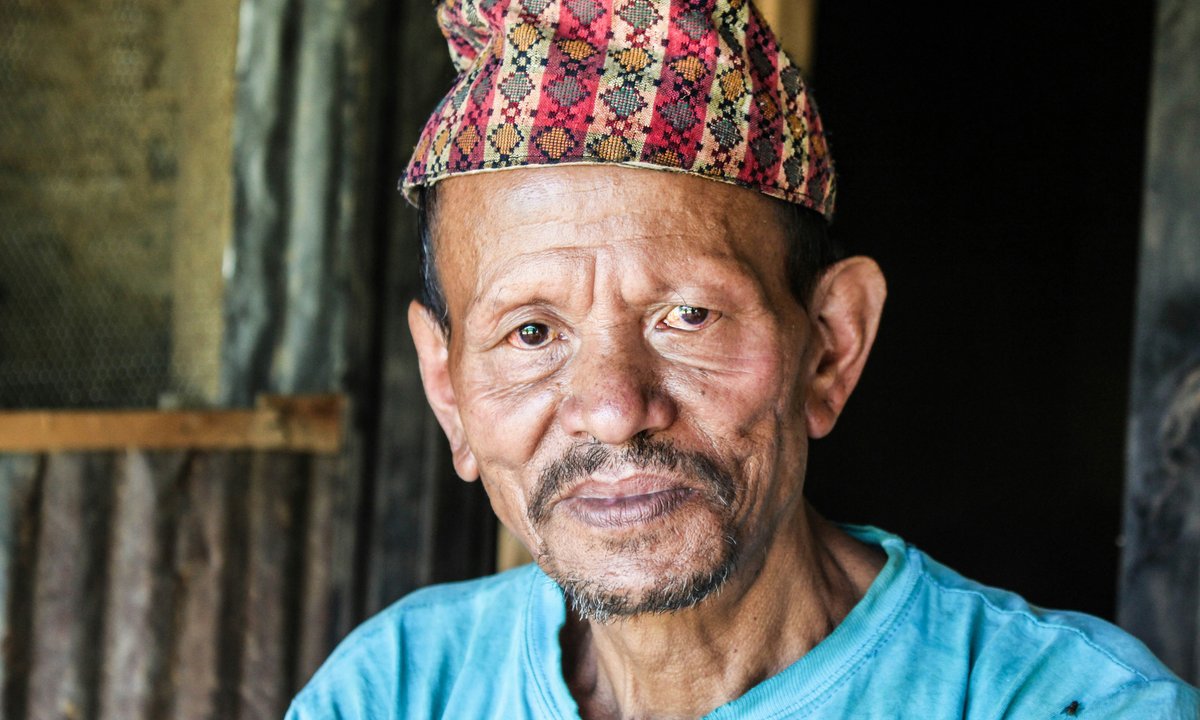
The Chhetri community is one of the largest Nepalese ethnic groups in Nepal. Historically, Chhetris served as warriors, rulers, and administrators. They have played a major role in the unification and political history of Nepal. Today, they live throughout the country and contribute to every profession imaginable, from the military to modern business. Their culture has strongly influenced the modern Nepali language and national identity.
2. Bahun (Brahmin)
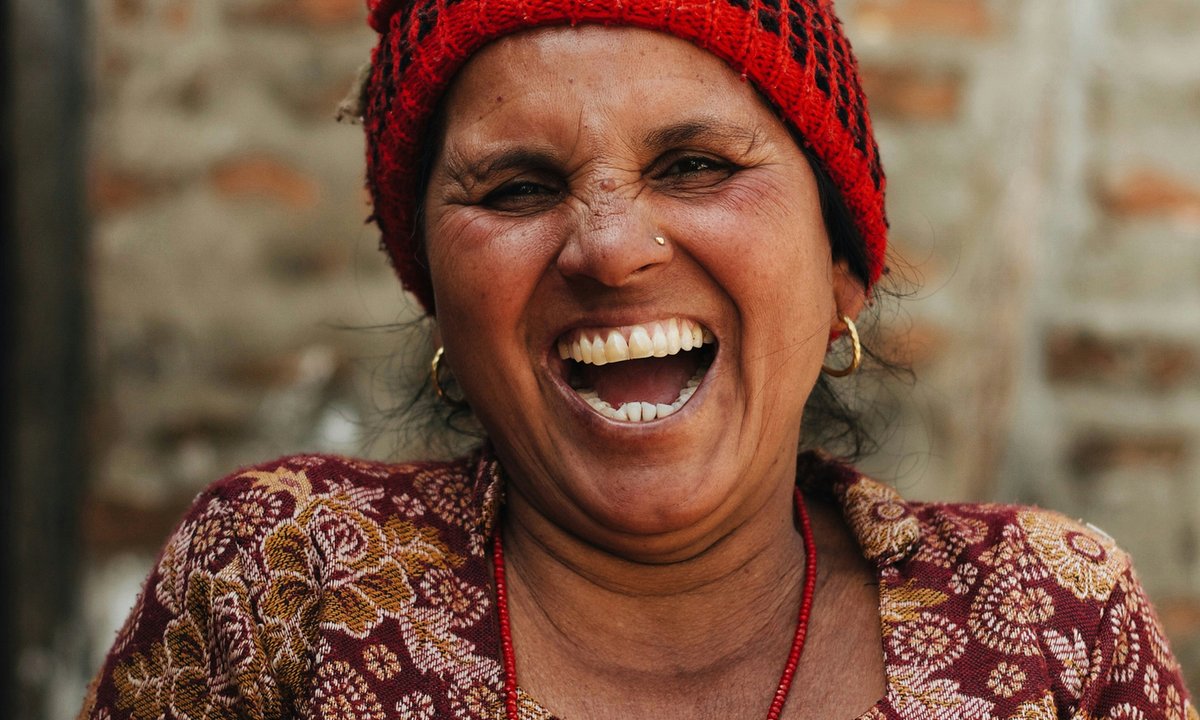
Bahuns are traditionally associated with education, religious ceremonies, and scholarship. As an important Indo Aryan community, they have played a significant role in Nepal's social and cultural development. Many Nepali writers, teachers, and public figures come from Bahun families. They have a strong tradition of valuing education, which is why they are often found in leadership roles across the country.
3. Newar
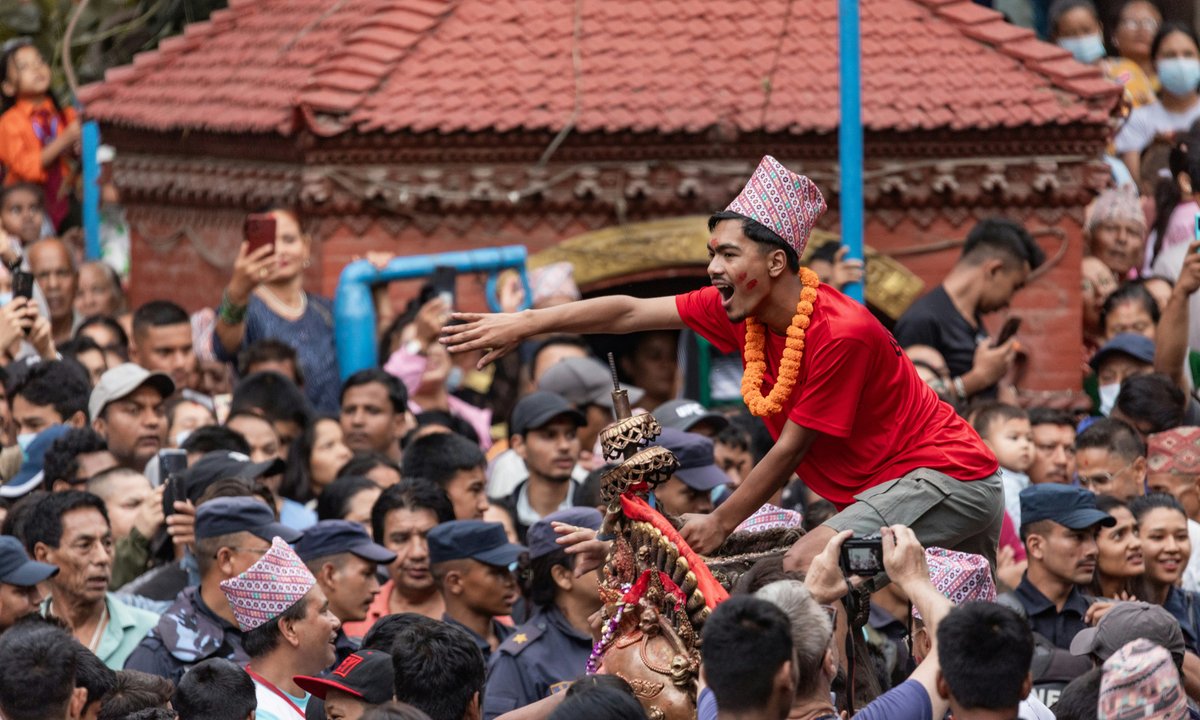
The Newars are the indigenous people of the Kathmandu Valley. If you've admired Nepal's ancient temples, intricate wood carvings, or famous festivals, you've likely experienced Newar culture. The Newars developed a sophisticated urban civilisation and are known for:
- Traditional architecture
- Festivals
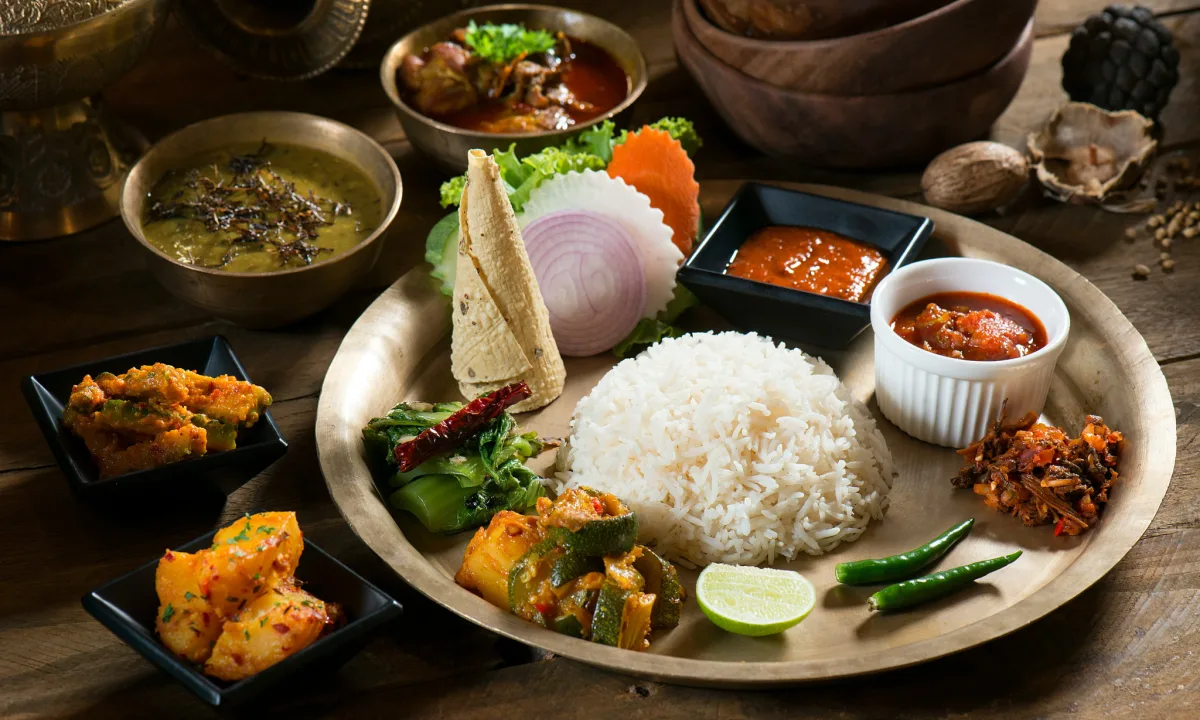
- Cuisine
- Metal craftsmanship
- Classical dances
For many visitors, Newar culture provides the most memorable cultural experiences in Nepal, especially in the historic squares of Kathmandu, Patan, and Bhaktapur.
4. Tamang
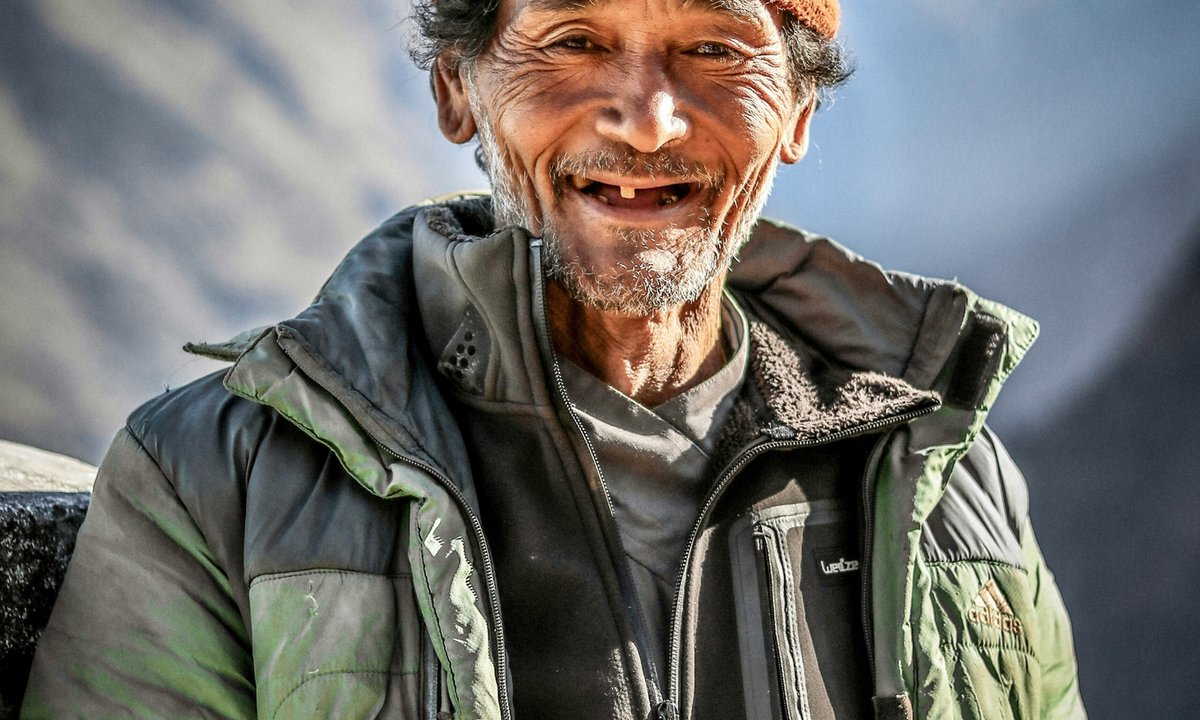
The word "Tamang" means "Horse Trader" in the ancient language. The Tamang community is known for their rich Buddhist traditions, colourful attire, and beautiful music. They mainly live around the Kathmandu Valley and the central hills.The
Tamang people are mostly famous for music, their skill in thangka painting and their cheerful nature. For travellers interested in cultural trekking, the Tamang villages offer authentic insights into mountain life and spiritual traditions.
5. Magar
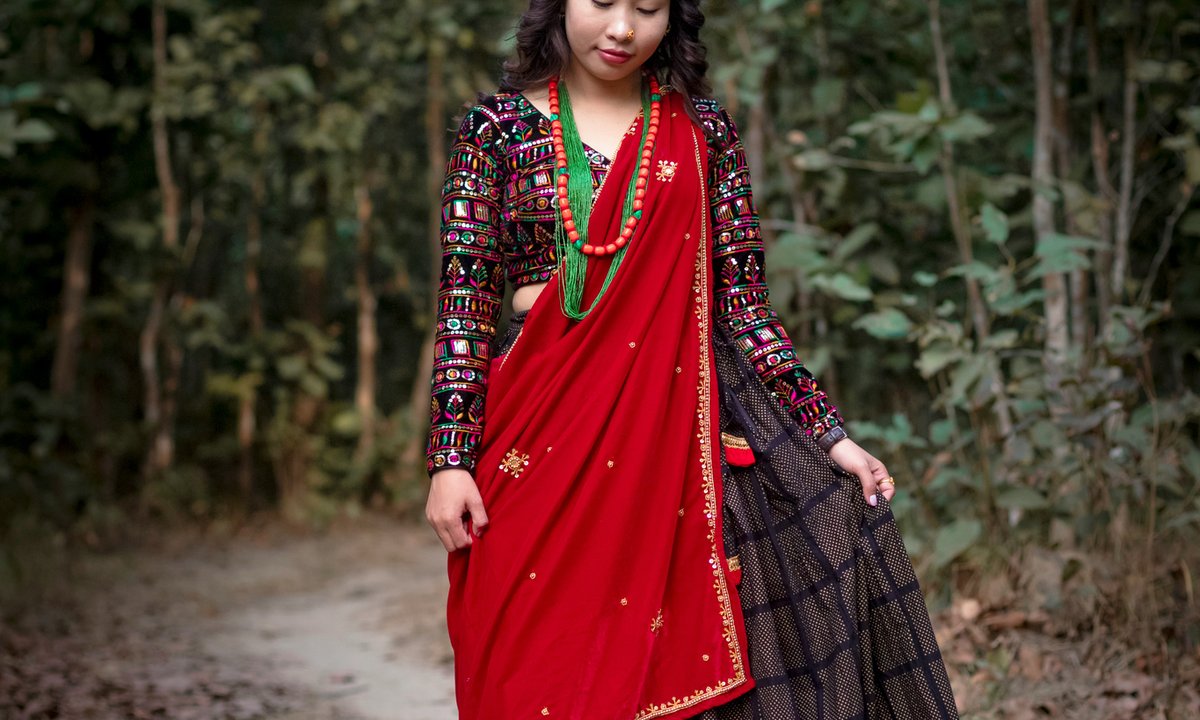
The Magar people are among the oldest ethnic groups in Nepal and primarily live in western and central Nepal. They are the largest indigenous nationality in the country. Traditionally, they were hill farmers, but they are also famous as brave Gurkha soldiers who have served worldwide. Their traditions include unique folk songs and a very close-knit community structure that emphasises mutual support and hospitality.
6. Gurung
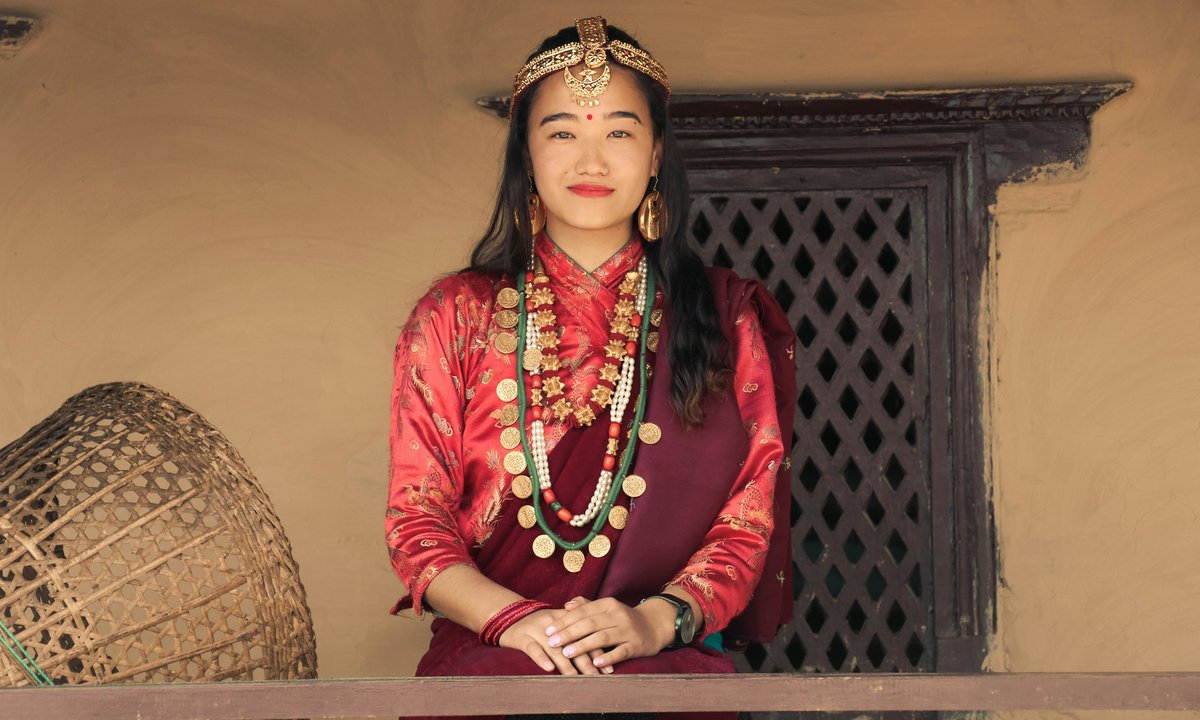
The Gurung community is famous for its hospitality and strong connection to the Himalayas. They primarily live in the Annapurna and Manaslu regions. Traditional Gurung villages near Pokhara attract thousands of visitors each year.
Like the Magars, many Gurungs have served as Gurkha soldiers with great distinction. Their social structure features "Rodhi" clubs where young people gather to socialise, sing, and dance. Their cultural performances feature vibrant costumes, folk music, and traditional dances that celebrate village life and seasonal festivals.
7. Rai
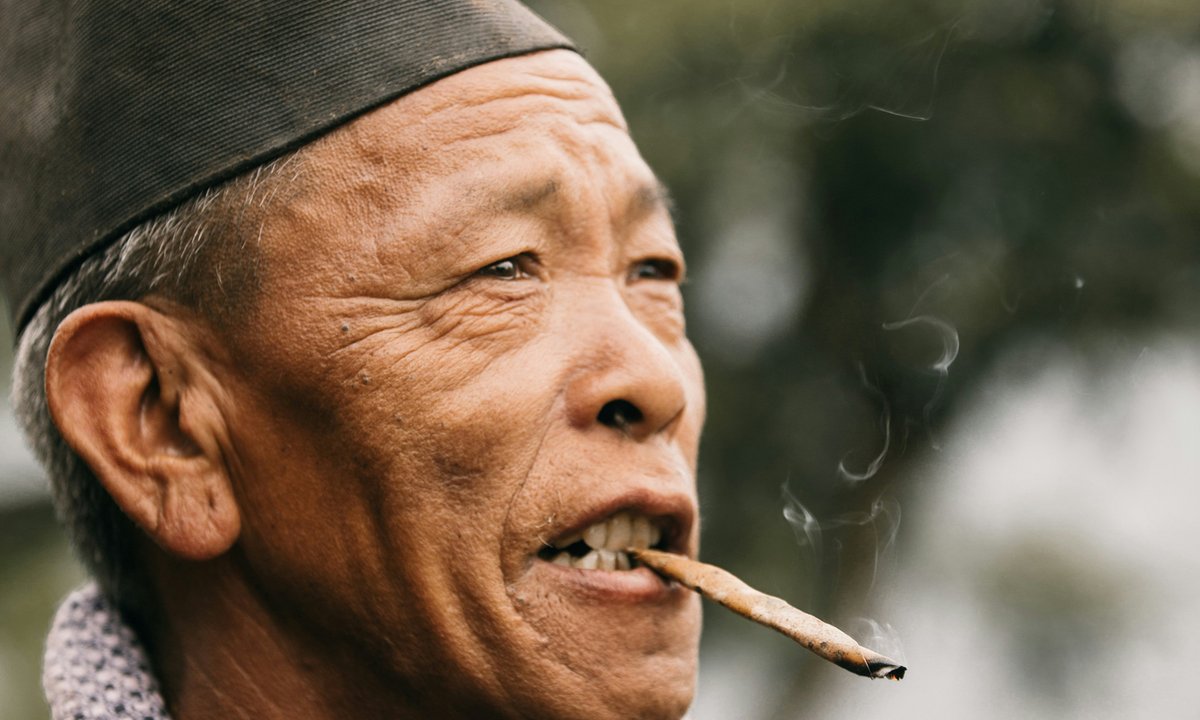
The Rai people mainly inhabit eastern Nepal. They belong to the Kirat group, which has an ancient history mentioned in historical texts. They have preserved many indigenous traditions, including the Sakela dance, one of the most fascinating traditional dances of Nepal and an important expression of Rai cultural identity.
The Rai people are known for their independence and their skill in agriculture in the steep hills of eastern Nepal, where they grow various crops on terraced fields.
8. Limbu
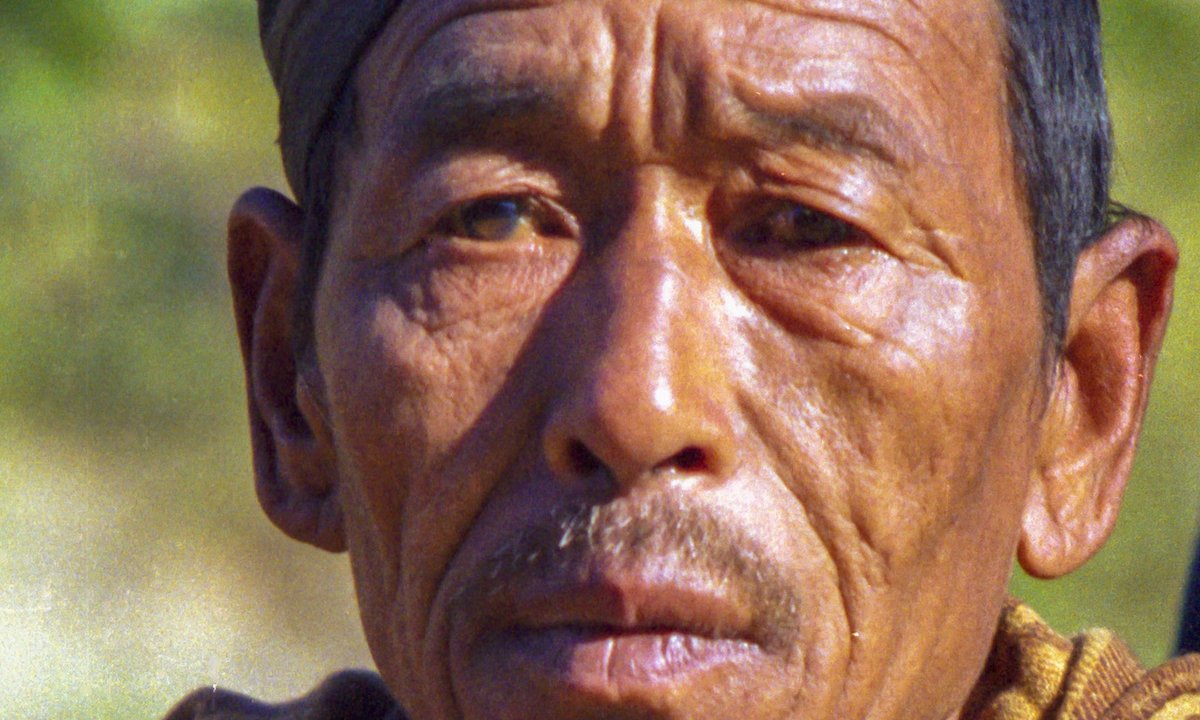
The Limbu community shares historical and cultural ties with the Rai people. They live in the far-eastern hills of Nepal. They are famous for their distinct "Dhaka" fabric weaving, which is seen in many traditional Nepali hats and clothing. The Limbus have a rich oral tradition and a unique religion called Yuma Samyo, focusing on nature and ancestral spirits that guide their daily lives.
9. Tharu
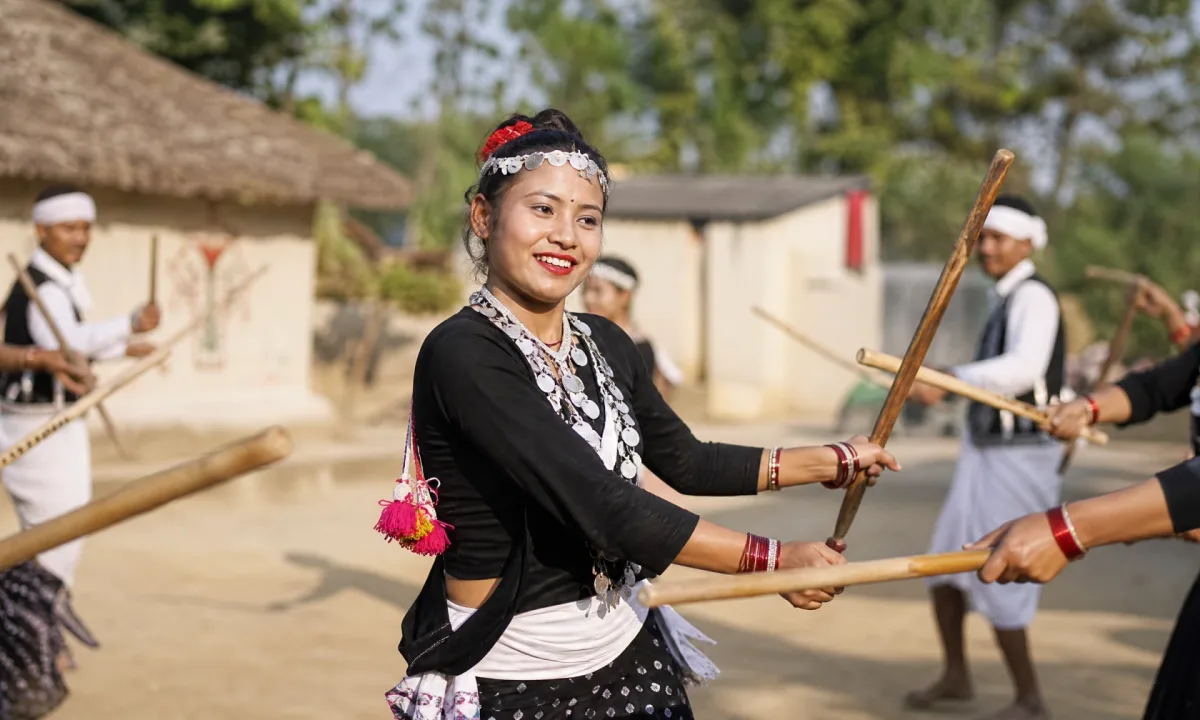
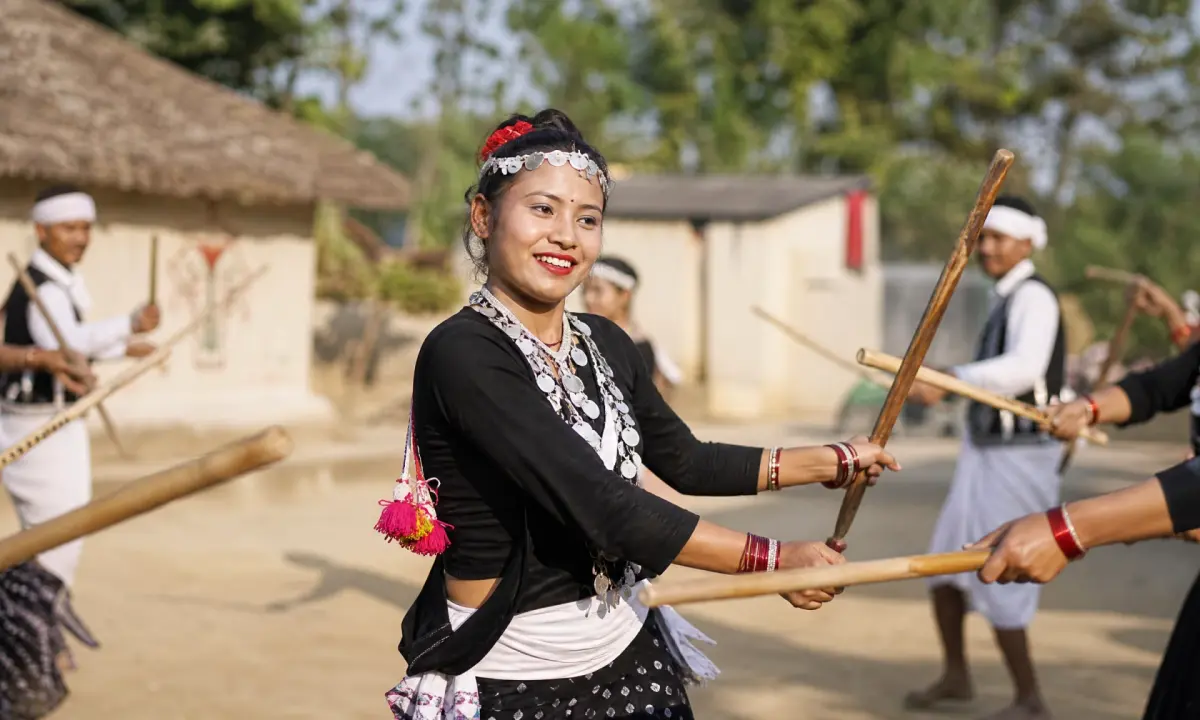
The Tharu people are indigenous to Nepal's southern Terai region. For centuries, they lived in the deep jungles and were famously immune to malaria, which allowed them to thrive where others could not. Today, Tharu cultural villages are among the most popular attractions near Chitwan National Park. They are known for their traditional longhouses made of mud and straw, decorated with beautiful wall art and intricate patterns.
10. Sherpa
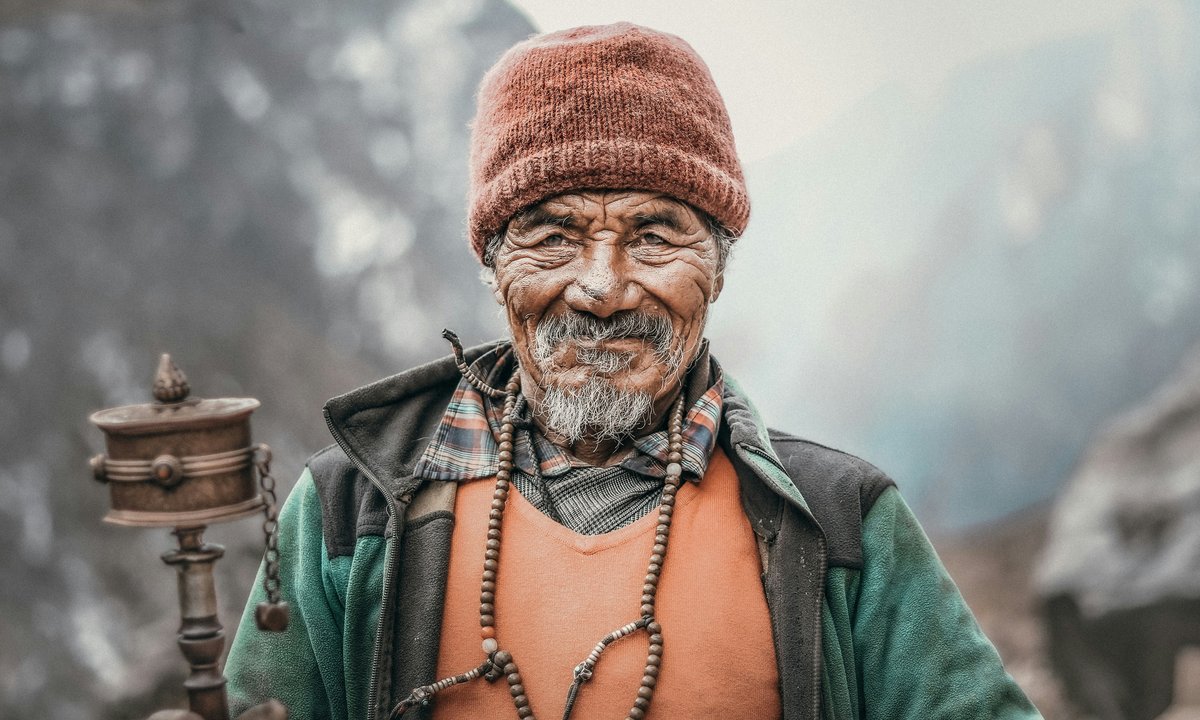
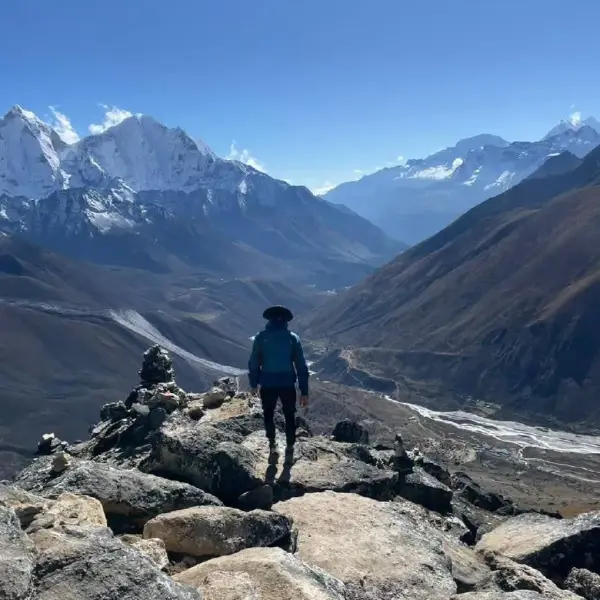
No discussion of a Nepal tribe or ethnic community would be complete without mentioning the Sherpas. Living primarily in the Everest region, Sherpas are internationally respected for their mountaineering skills. They migrated from Tibet about 600 years ago and brought a rich form of Tibetan Buddhism with them. Beyond mountains, their culture includes beautiful monasteries, colourful festivals, and a lifestyle of great resilience in the high mountains.
Other Important Tribes in Nepal
Besides the major groups, Nepal is home to many other communities, including:
- Thakali
- Sunuwar
- Bhote
- Jirel
- Chepang
- Danuwar
- Rajbanshi
- Majhi
- Yadav
- Dhimal
- Thami
- Baram
- Hayu
- Manange
- Dolpo communities
These tribes in Nepal contribute to the country's incredible cultural richness.
Languages Spoken by Nepalese People
Nepali serves as the national language, but many ethnic groups continue using their own languages at home and during cultural events.
Some widely spoken ethnic languages include:
- Newari
- Tamang
- Maithili
- Bhojpuri
- Limbu
- Rai languages
- Gurung
- Magar
- Sherpa
This linguistic diversity reflects the remarkable ethnic makeup of Nepal.
Conclusion
Nepal’s true identity lies in its extraordinary cultural diversity. From the Himalayan communities to the indigenous groups of the hills and the vibrant cultures of the Terai, each ethnic group contributes its own traditions, language, customs, and heritage to the nation’s rich cultural landscape.
Nepal's diverse ethnic groups make it more than just a trekking destination. Nepal is a small country, but it contains a whole world of cultures. Whether you are walking through the ancient squares of Patan or trekking around Everest base camp, you are experiencing the soul of the Nepalese people.
Frequently Asked Questions
How many ethnic groups are in Nepal?
Nepal has 142 officially recognised ethnic groups, according to the 2021 national census. Earlier records showed around 125+, but the updated census reflects new recognition of additional communities, making Nepal one of the most ethnically diverse countries in Asia.
What is the largest ethnic group in Nepal?
The Chhetri community is the largest ethnic group in Nepal. Other large ethnic groups include Bahun (Brahmin), Magar, Tharu, and Tamang communities, each contributing significantly to Nepal’s cultural and social structure.
How many languages are spoken in Nepal?
Nepal is linguistically very diverse, with more than 120 languages spoken across the country. Nepali is the official language, but many communities use their own ethnic languages, such as Maithili, Bhojpuri, Tamang, Limbu, and Newari.
Which ethnic group is indigenous to Kathmandu Valley?
The Newar community is the indigenous population of the Kathmandu Valley. They are known for developing a rich urban civilisation with advanced art, architecture, festivals, and cuisine. Historic cities like Kathmandu, Patan, and Bhaktapur are deeply shaped by Newar culture and traditions.
What is the main religion in Nepal?
The majority religion in Nepal is Hinduism, followed by Buddhism, Islam, Kirat, Christianity, and indigenous belief systems. A unique feature of Nepal is religious harmony, where Hindu and Buddhist practices often blend, and temples and monasteries are commonly found side by side.
Claire
www.travories.comTravel Writer
Comments
Join the conversation and share your thoughts.
Loading comments…