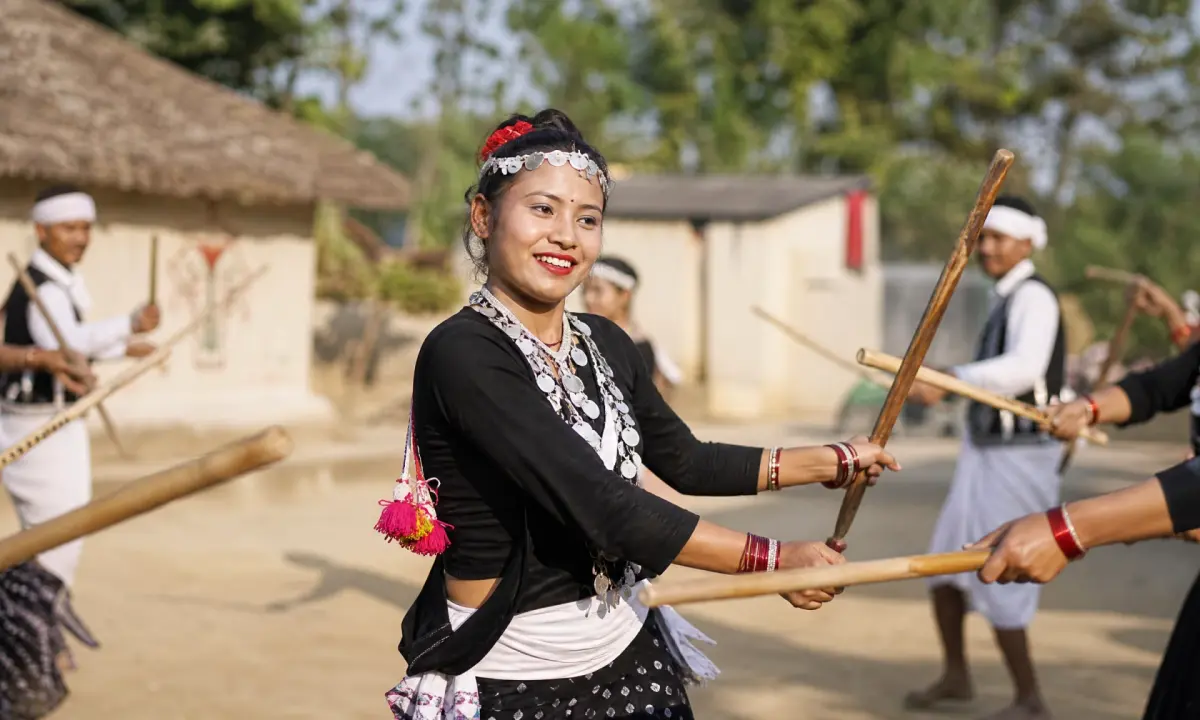
Rastriya Dhan Diwas (Asar 15): The Joy of the Rice Planting Festival in Nepal
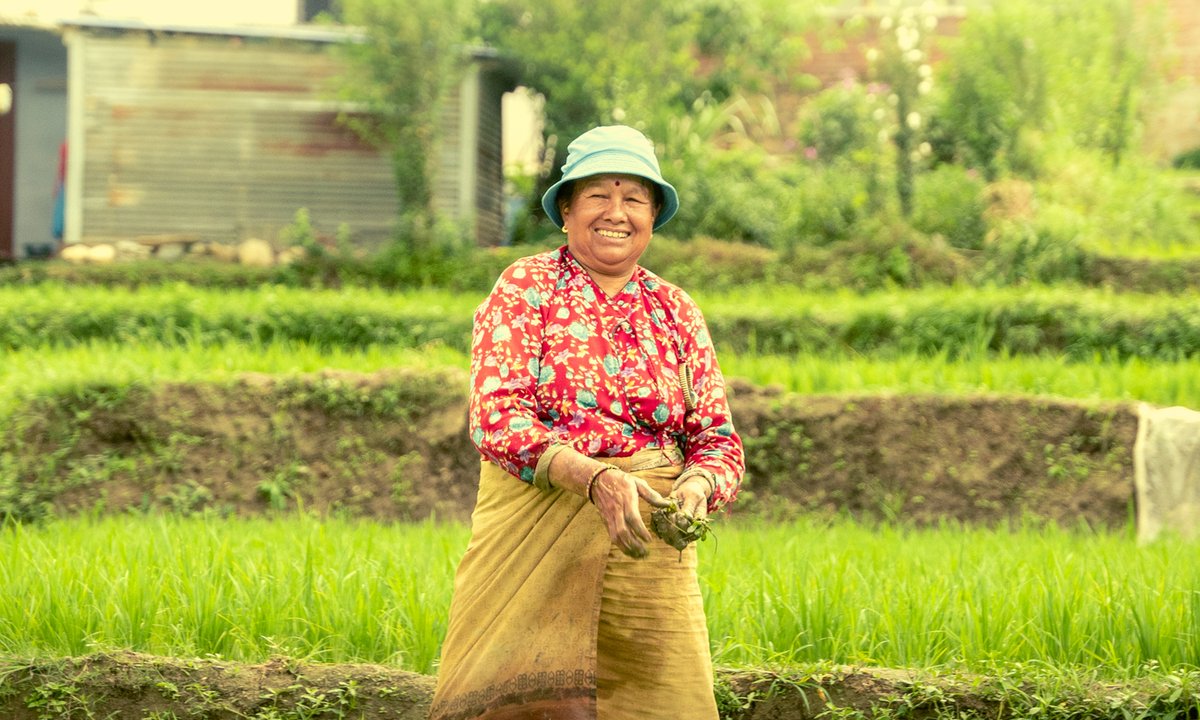
If you happen to visit Nepal during the monsoon season, you may come across one of the country's most joyful and unique cultural celebrations: Rastriya Dhan Diwas, also known as National Paddy Day, Dhan Diwas, or simply Asar 15. This isn't just a workday; it's more of a celebration.


What is Rastriya Dhan Diwas?
Rastriya Dhan Diwas, meaning "National Paddy Day," is celebrated every year on the 15th day of the Nepali month of Asar, usually falling in late June. The festival marks the official start of the rice planting season and honours the farmers who play a vital role in Nepal's food production.
Rice is the staple food of Nepal, and for centuries, the arrival of the monsoon rains has signalled the beginning of paddy cultivation. Because of this close connection between rain, farming, and daily life, Asar 15 has become one of the most important agricultural celebrations, uniting different ethnic groups across the country.
Although the day has been officially recognised as National Paddy Day since 2062 B.S. (2005 A.D.), the traditions associated with rice planting are much older and deeply rooted in Nepali culture.
My First Experience of Asar 15
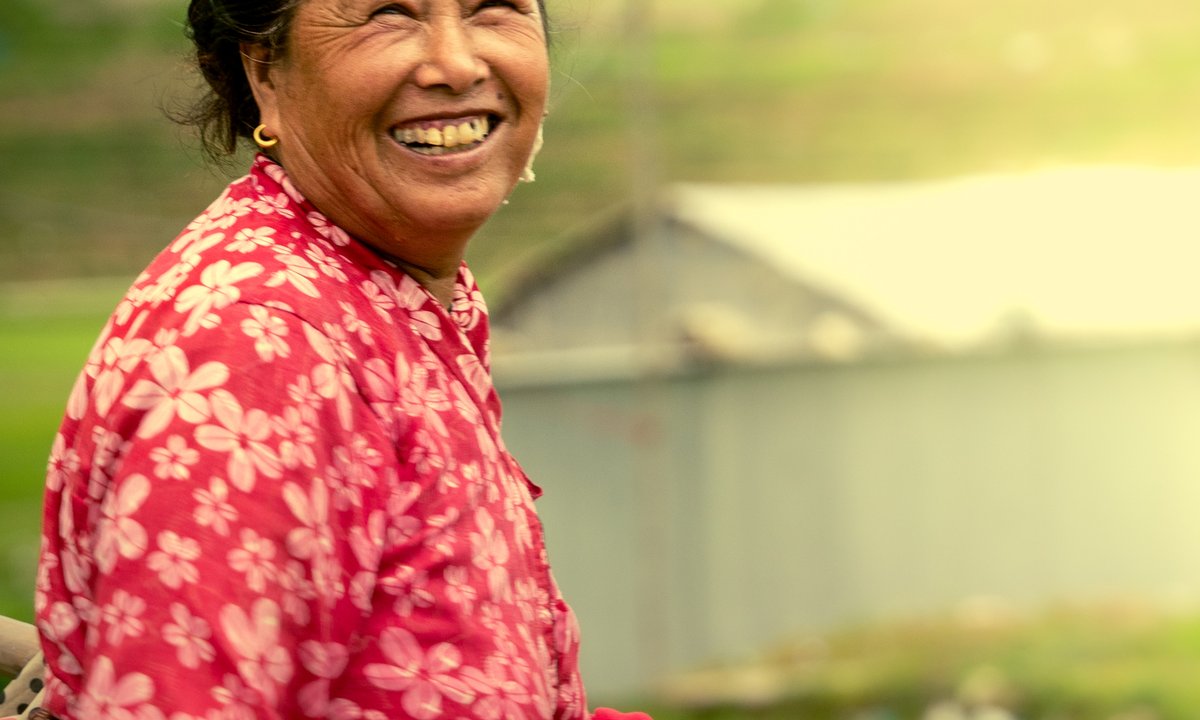
Growing up in Kathmandu, I always related the monsoon season with crowded roads, umbrellas, and traffic slowed by rain. Like many people living in the city, I knew that Asar 15 was celebrated as National Paddy Day, and I never missed the tradition of eating Dahi Chiura at home. But I had never actually witnessed rice planting in a field.
A few years ago, one of my friends invited us to his village in Lele to celebrate Asar 15. We arrived around 10 AM, expecting to see farmers already busy at work. What we found was a vibrant scene, men and women standing ankle-deep in muddy water, carefully planting young rice seedlings in long, neat rows while singing traditional Asare Bhaka. Across the paddies, farmers laughed, shared jokes, and worked together, turning the fields into a lively celebration rather than just a day of labour.
At first, we simply stood at the edge of the field and watched. After a while, our friend’s family and local farmers encouraged us to join in. Curious and excited, we stepped into the muddy field. One of the uncles showed us how to hold the seedlings and plant them properly in straight rows. Although it looked simple, I soon realised that rice planting requires patience, skill, and balance.
By midday, everyone gathered for lunch. We were served generous plates of Dahi Chiura along with local side dishes. After hours in the rain and mud, the food tasted especially satisfying. More importantly, the meal brought everyone together, reinforcing the sense of community that had filled the day.
As the celebration continued, the atmosphere became even more joyful. Children splashed muddy water at one another, while villagers and visitors joined in playful mud games. Throughout it all, farmers kept singing traditional Asare Bhaka and performing traditional dances, filling the fields with music and energy.
For me, Asar 15 in Lele was more than just a festival; it was a meaningful experience that helped me understand the hard work behind rice cultivation and deepened my appreciation for the farmers who do it every year. Spending the day in the fields gave me a new perspective on village life and local traditions.
"For me, Asar 15 in Lele was more than just a festival; it was a meaningful experience that helped me understand the hard work behind rice cultivation and deepened my appreciation for the farmers who Do it every year."
Why is Rice Planting So Important in Nepal?
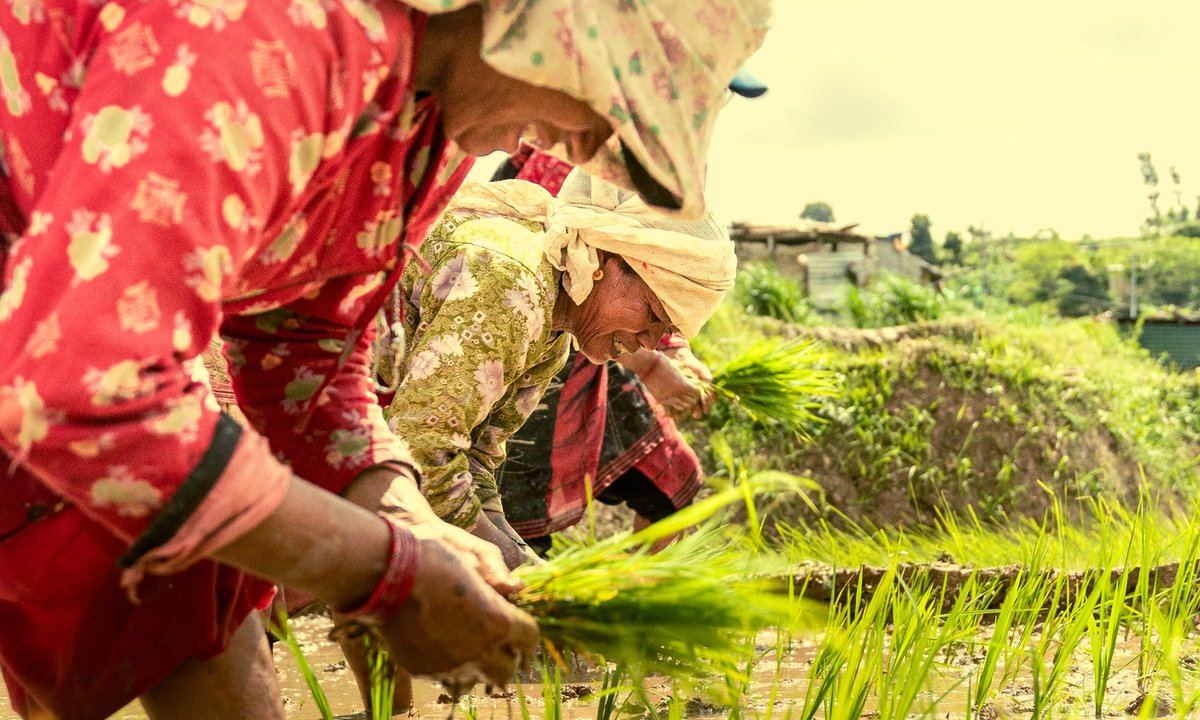
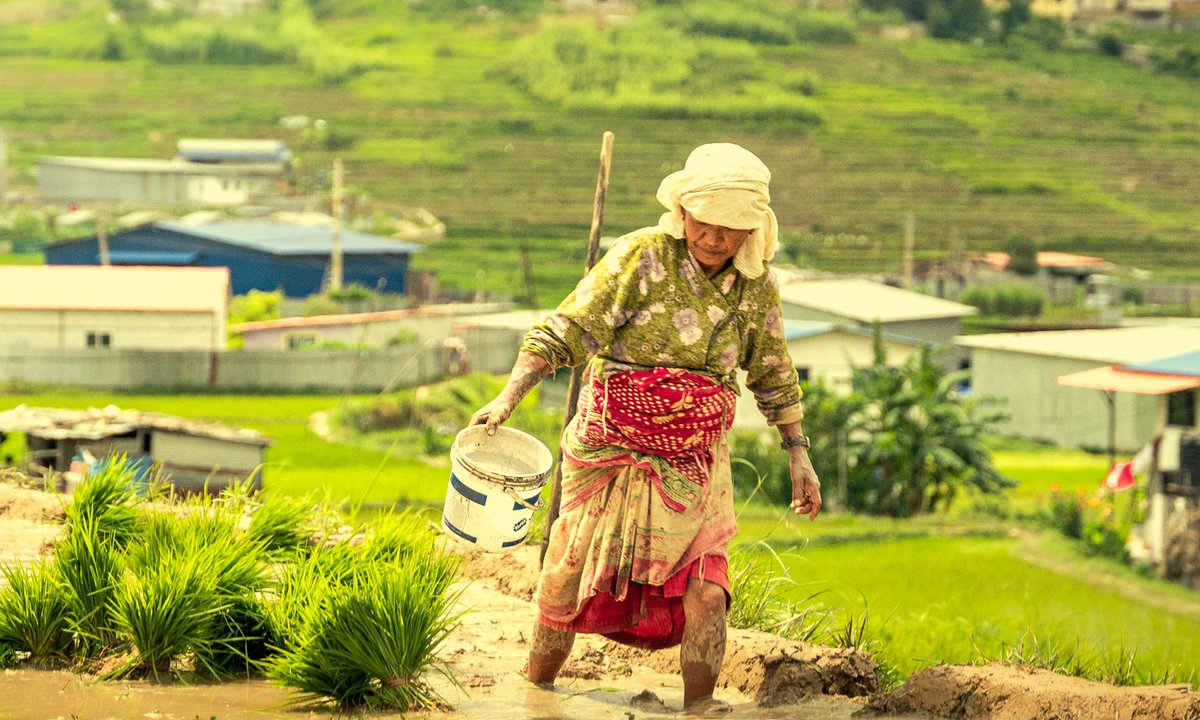
Nepal is still largely an agricultural country, and rice remains the most important crop for millions of people. For farmers, Asar 15 is more than a festival. It is a day filled with hope. A successful planting season can mean a good harvest months later, helping support families and communities throughout the year.
The monsoon rains that arrive during Asar are crucial because they provide the water needed for rice cultivation. The festival also serves as a reminder of the strong connection between people and nature in Nepal. The rain, fertile soil, and hard work of farmers all come together to produce the rice that is served on tables across the country.
The Tradition of Dahi Chiura on Asar 15
No discussion of Dhan Diwas in Nepal would be complete without mentioning Dahi Chiura.
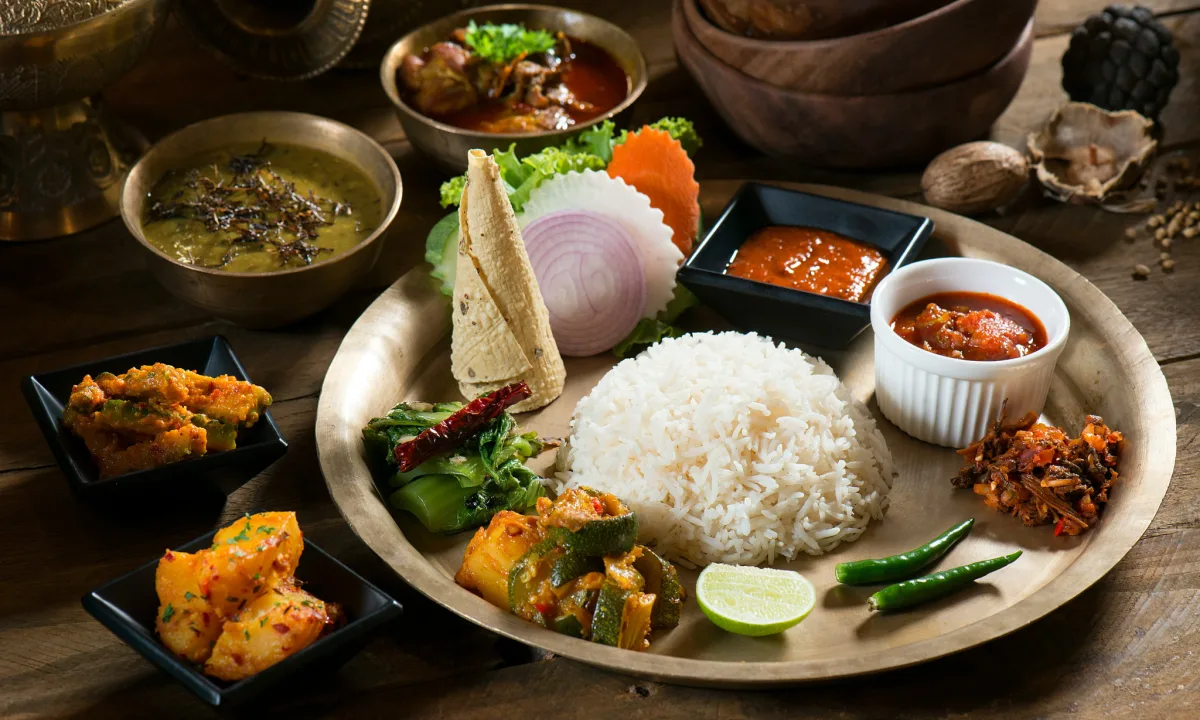
After spending hours working in muddy fields, farmers traditionally enjoy a meal of yoghurt (dahi) and beaten rice (chiura). This simple dish has become such an important part of the celebration that Asar 15 is often called Dahi Chiura Khane Din, meaning "the day for eating yoghurt and beaten rice".
Many Nepalis believe that Dahi Chiura helps provide energy and keeps the body cool during the humid monsoon season. Today, the tradition extends beyond farming communities. Even people living in cities celebrate by gathering with family and enjoying Dahi Chiura together. Some add seasonal fruits, sugar, pickles, or bananas to make the meal even more enjoyable.
How Nepal Celebrates National Paddy Day
Across Nepal, the celebrations share a few common traditions:
1. Rice Planting (Ropai)
The main activity is planting young rice seedlings in water-filled fields. Farmers work together while singing traditional songs that have been passed down through generations.
2. Mud Play
One of the most entertaining parts of the festival is the playful throwing of mud. Participants splash each other with muddy water, creating a fun and unforgettable atmosphere.
3. Folk Songs and Dancing
Traditional monsoon songs known as Asare Geet are sung throughout the day. Music helps lighten the hard work and brings communities together.
4. Community Gatherings
Families, neighbours, and visitors often share meals, celebrate together, and express gratitude for the arrival of the monsoon season.
Can Tourists Participate?
Absolutely.
In fact, many travellers consider Asar 15 one of the best cultural experiences in Nepal. Several communities, farms, and tourism organisations welcome visitors who want to experience rice planting firsthand.
You do not need any farming experience. Most locals are happy to show visitors how to plant rice seedlings and join the festivities.
If you want to dive into the mud during Dhan Diwas, here are a few simple tips to make your day better:
- Wear clothes that can get muddy.
- Bring a change of clothes.
- Use waterproof footwear or sandals.
- Be prepared to laugh and get dirty.
- Respect local customs and traditions.
The experience may be messy, but it is also incredibly memorable.
Best Places to Experience Asar 15 in Nepal
While the festival is celebrated throughout the country, some areas are particularly popular among visitors:
- Kathmandu Valley villages
- Bhaktapur countryside
- Lalitpur farming communities
- Chitwan villages
- Pokhara's surrounding farmlands
- Rural regions of the Terai
Many farms organise special rice planting events where visitors can join local farmers, enjoy traditional food, and learn about Nepal's agricultural lifestyle.
Final Thoughts
Experiencing Rastriya Dhan Diwas (Asar 15) is a reminder that the best travel experiences in Nepal are beyond mountains or trekking in Nepal. Whether you call it Dhan Diwas, National Paddy Day, Dahi Chiura Khane Din, or Ashar 15, this unique rice planting festival is one of the country’s most vibrant celebrations.
For travellers seeking authentic local experiences, there are few opportunities more memorable than joining Nepali farmers to plant rice in the fields and ending the day with a plate of traditional Dahi Chiura. Check Travories Events to discover and join unforgettable cultural celebrations like Ropain/Asar 15, rejuvenating yoga sessions, and many more events that connect you to the heart of Nepal's living traditions.
If your travels bring you to Nepal in late June, don't just watch the event; step into the field and become part of the celebration.
Frequently Asked Questions
What is Dhan diwas?
Dhan Diwas is a special agricultural day celebrated in Nepal. It is also known as National Paddy Day. On this day, people celebrate the start of the rice planting season.
What is the significance of Asar 15?
Asar 15 is celebrated because it marks the beginning of rice cultivation in Nepal during the monsoon season. The rain at this time is very important for farming, especially for rice, which is the main crop of the country.
What special day is celebrated on Ashad 15th?
Ashad 15th is celebrated as Rastriya Dhan Diwas, also known as National Paddy Day in Nepal. It is the official day when rice planting begins across the country.
JOIN THE CELEBRATION WITH TRAVORIES EVENTS
Don't just watch — step into the field. Browse Travories Events to find rice planting days, cultural festivals, and yoga retreats happening across Nepal, and book your place in the heart of these living traditions.
Traveller and Co-founder of Travories.
Comments
Join the conversation and share your thoughts.
Loading comments…