Langtang Valley vs Everest Base Camp: A Complete Comparison for Trekkers
Nepal's two most iconic treks await: the glacial serenity of Langtang or the legendary trail to Everest Base Camp.
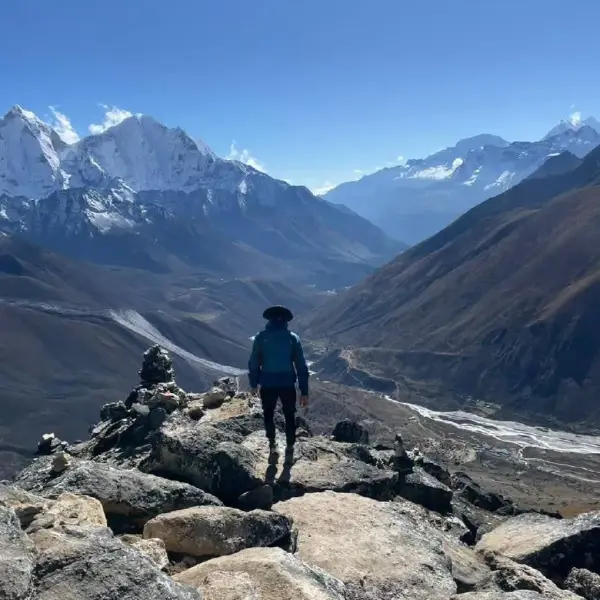

Nepal remains the ultimate destination for high-altitude adventure, offering trails that wind through some of the most dramatic landscapes on Earth. For many adventurers, the decision often narrows down to two iconic routes: the legendary journey to the foot of the world’s highest peak or the intimate, glacial beauty of the Langtang region. This Langtang Valley vs Everest Base Camp comparison explores the nuances of each trail to help you determine which Himalayan experience aligns with your goals.
We serve as Nepal’s trusted travel marketplace, allowing you to browse and compare verified packages from over 50 agencies. Whether you seek the challenge of the Khumbu or the tranquility of Langtang, our platform ensures transparent pricing and verified reviews for your peace of mind.
Quick Comparison: Langtang Valley vs. Everest Base Camp
To provide a high-level overview, here's a detailed comparison of the key aspects of the Langtang Valley and Everest Base Camp treks:
| Feature | Langtang Valley Trek | Everest Base Camp (EBC) Trek |
|---|---|---|
| Primary Focus | Glacial valleys and Tamang culture | Iconic peaks and Sherpa legacy |
| Difficulty | Moderate (Best trek for beginners in Nepal) | Challenging (Trekking difficulty comparison Nepal) |
| Duration | 7–10 Days | 12–16 Days |
| Max Altitude | 3,870m (Kyanjin Gompa) / 4,984m (Tserko Ri) | 5,364m (EBC) / 5,545m (Kala Patthar) |
| Accessibility | 7–8 hour drive from Kathmandu (no flights) | 35-minute flight to Lukla (weather-dependent) |
| Crowd Level | Low to Moderate | High (especially in peak season) |
| Culture | Tamang heritage, authentic village life | Sherpa culture, mountaineering legacy |
| Scenery | Lush forests, U-shaped valleys, intimate glaciers | Iconic peaks, vast glaciers, stark alpine landscapes |
| Permits | TIMS Card, Langtang National Park Permit | Khumbu Rural Municipality Permit, Sagarmatha Permit |
Detailed Comparison: Which Trail Fits Your Style?
1. Difficulty and Altitude Demands
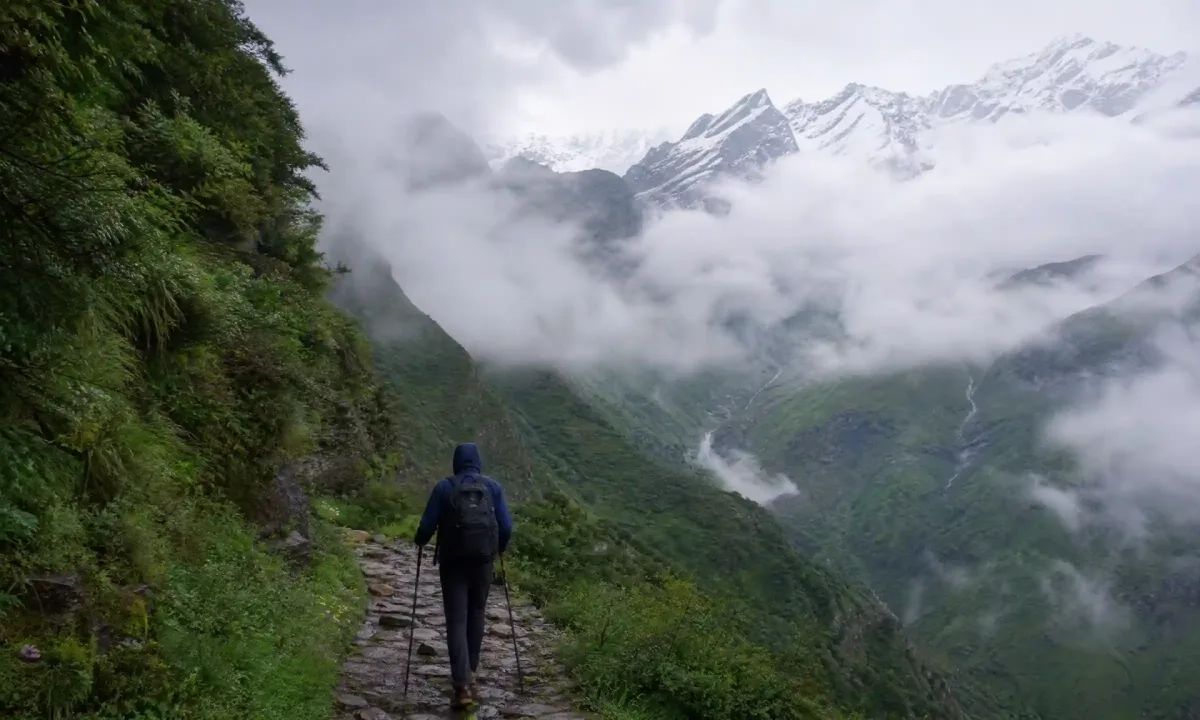
When performing a trekking difficulty comparison in Nepal, the physical demands of these two routes differ significantly. The Langtang Valley Trek is frequently cited as the best trek for beginners in Nepal because the elevation gain is more gradual. The trail starts at Syabrubesi (1,503m) and winds through forests and valleys, with most nights spent below 4,000m. This profile significantly minimizes the risk of altitude-related issues, making it a safer entry point for those new to the Himalayas.
In contrast, the Everest Base Camp Trek is a sustained high-altitude expedition. Trekkers spend multiple consecutive nights above 4,000m, culminating in a stay at Gorak Shep (5,164m). The thin air at these heights makes every step more taxing, and understanding EBC trek altitude sickness is essential for safety. While no technical climbing is required, the sheer endurance needed for the 130km round trip to EBC makes it a more strenuous undertaking. If you are asking which Nepal trek is easier, Langtang is the definitive answer.
2. Cost and Duration
The Langtang trek cost and duration are highly attractive for those with limited time or a tighter budget. Because the trailhead at Syabrubesi is accessible by road, you avoid the high cost of domestic flights. A standard 7-day itinerary provides a complete Himalayan experience, including high-altitude viewpoints like Kyanjin Ri, without the logistical complexity of the Everest region.
The EBC trek requires a minimum of 12 days to allow for safe acclimatization. The primary cost driver is the round-trip flight to Lukla, which can be expensive and is subject to weather delays. Furthermore, as you ascend in the Khumbu region, the cost of food and lodging increases due to the difficulty of transporting supplies. In the Everest region, even a simple bottle of water or a bowl of Dal Bhat becomes significantly more expensive the higher you climb, whereas Langtang prices remain more stable.
3. Scenery and Landscape
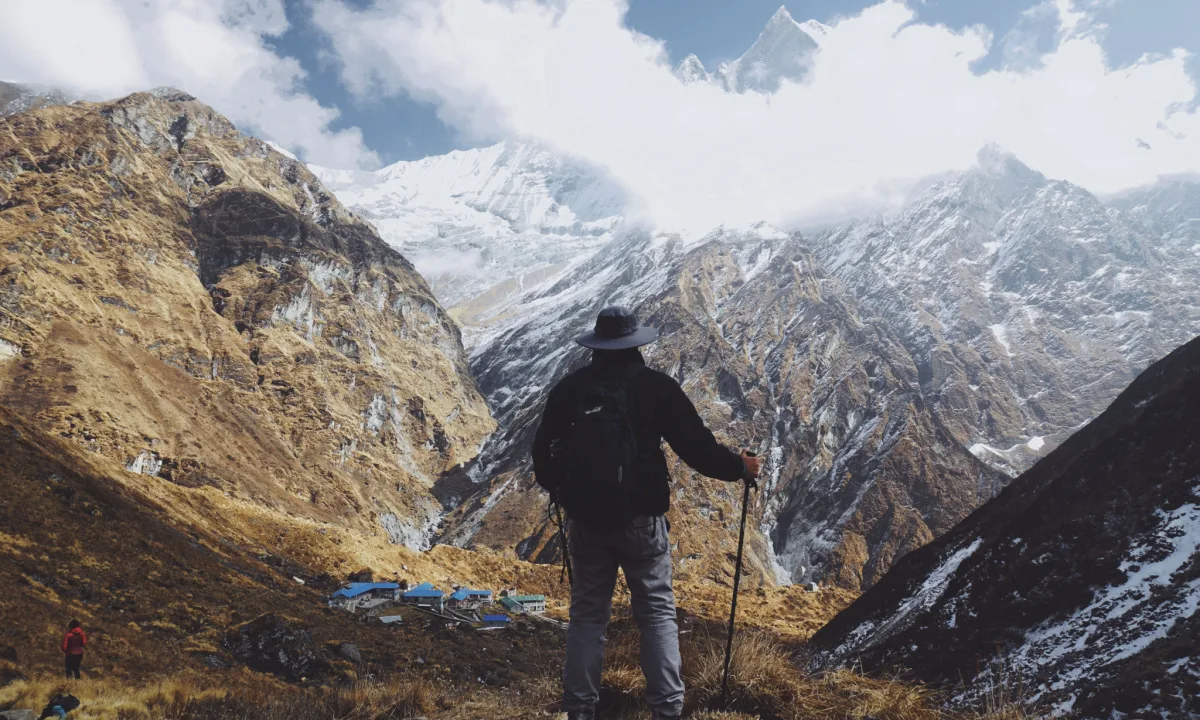
The visual character of these treks offers a study in contrasts. Langtang National Park trekking takes you through dense rhododendron and bamboo forests before opening into a classic U-shaped glacial valley. The views of peaks like Langtang Lirung (7,227m) are intimate, making you feel as though you are part of the mountain landscape. The valley is famous for its "Valley of Glaciers" moniker, where cracked blue ice and lateral moraines are often just a short walk from your teahouse.
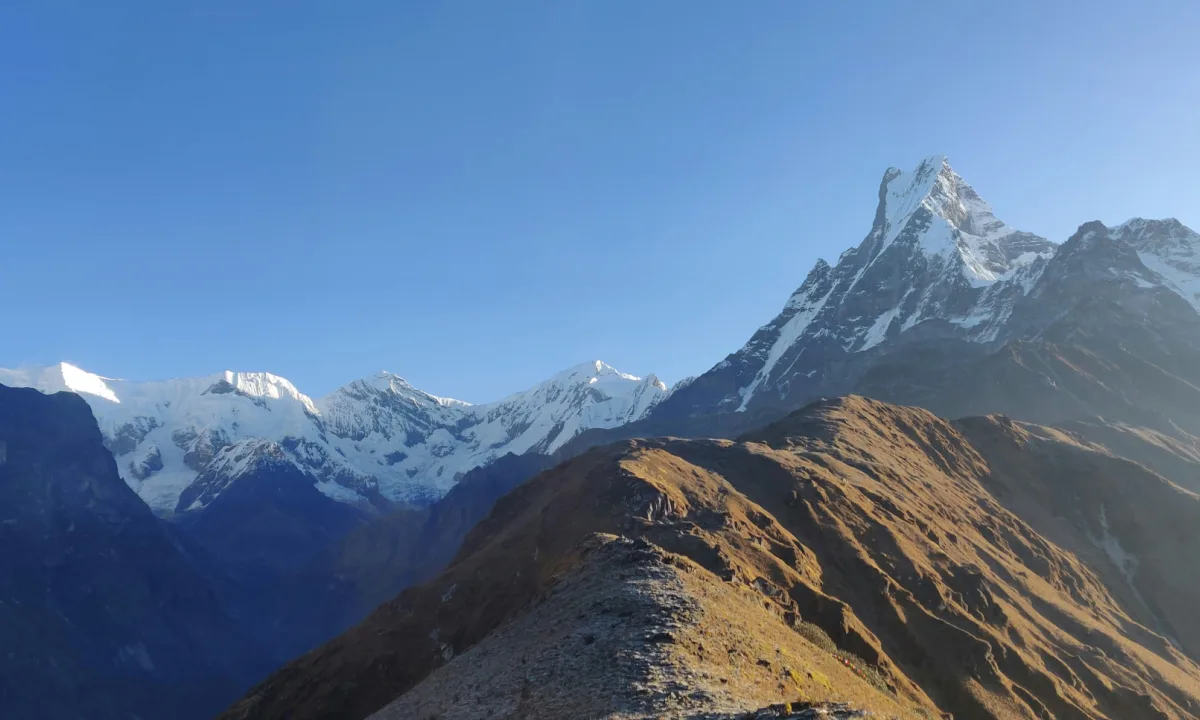
The Everest region, however, is about grand scale and legendary heights. The trail offers panoramic views of four of the world's fourteen 8,000m peaks: Everest, Lhotse, Makalu, and Cho Oyu. The landscape above the treeline is stark and lunar, dominated by massive glaciers and the iconic, needle-like pyramid of Ama Dablam. For those who want to see the "giants" of the world and stand at the foot of the highest peak on Earth, EBC is unparalleled.
4. Cultural Immersion
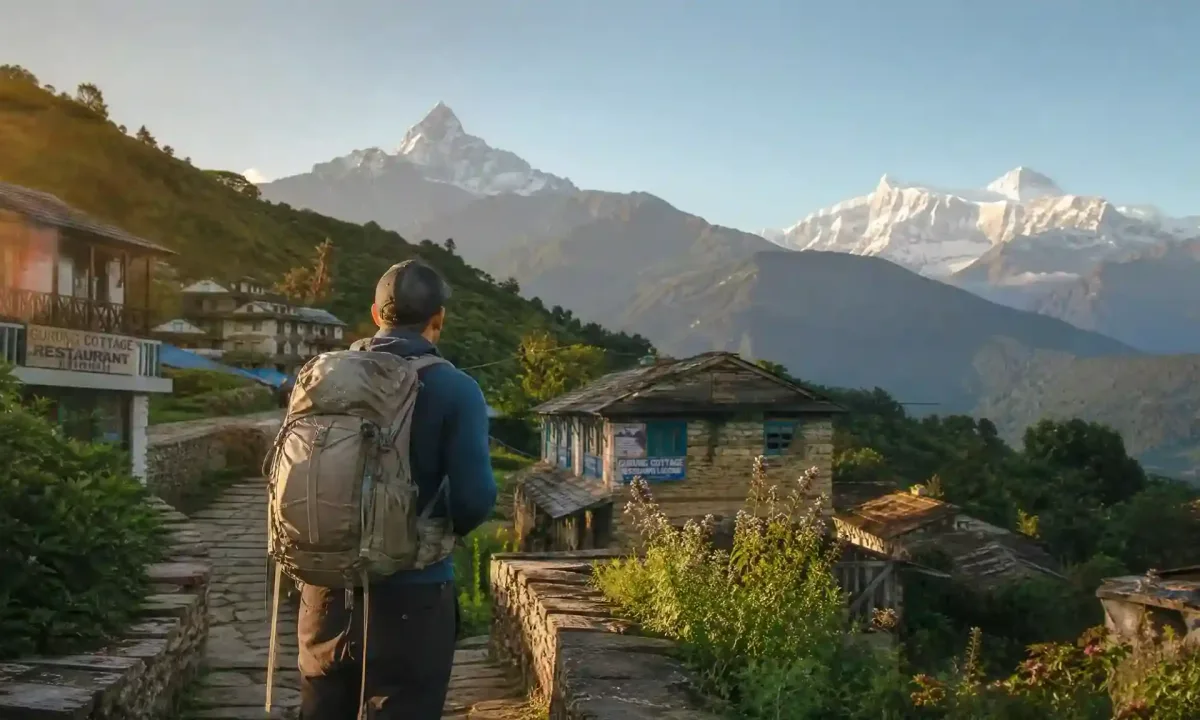
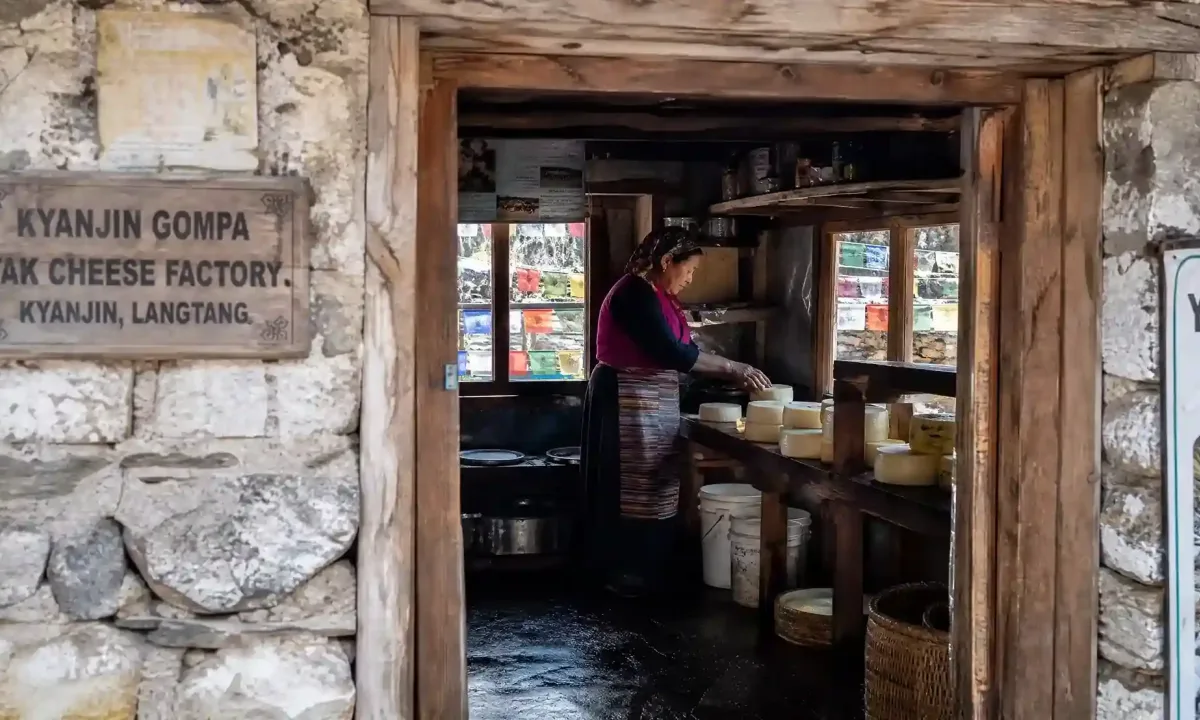
Culture is the heartbeat of Nepalese trekking. In Langtang, you will encounter the Tamang people, whose traditions are deeply influenced by Tibetan Buddhism. The villages, many of which were resiliently rebuilt after the 2015 earthquake, feel authentic and less commercialized. A visit to the local yak cheese factory in Kyanjin Gompa offers a genuine taste of high-mountain life that few other trails can match.
The Everest region is the heartland of the Sherpa people. Their legacy is inextricably linked to the history of mountaineering. From the vibrant hub of Namche Bazaar, filled with bakeries and gear shops, to the spiritual sanctuary of Tengboche Monastery, the culture here is a fascinating blend of ancient traditions and modern expedition history. You’ll walk past mani walls and prayer wheels that have blessed generations of world-class climbers.
Accessibility and Logistics
A major factor in choosing your trek is how you get to the start. Langtang is highly accessible; a 7–8 hour drive from Kathmandu brings you to the gateway of the valley. This reliability is a significant advantage, as road travel is rarely affected by the mountain weather that often grounds flights.
Everest trekkers almost exclusively fly into Lukla’s Tenzing-Hillary Airport. While the flight is a bucket-list experience in itself, it introduces a variable of uncertainty. Weather delays are common, and trekkers are advised to build buffer days into their schedules to account for potential cancellations. For those who prefer a more predictable start to their holiday, the overland journey to Langtang is the safer bet.
Which Trek Should You Choose?
The decision ultimately rests on your priorities:
- Choose Langtang Valley if: You have less than 10 days, prefer a quieter trail with more intimate views, are conscious of your budget, or are looking for a moderate introduction to Himalayan trekking.
- Choose Everest Base Camp if: You want to see the world's highest peaks, have 12–14 days available, possess the physical fitness to handle sustained high altitudes, and want to experience the legendary "highway to the sky."
Plan Your Adventure with Travories
Ready to witness the grandeur of the Himalayas? Whether you've decided on the legendary Everest route or the serene Langtang Valley, Travories makes the booking process seamless.
- Compare and Book: Everest Base Camp Trek Packages
- Explore Options: Langtang Valley Trek Packages
Browse verified listings, read authentic traveler reviews, and book your next great adventure with confidence at Travories.
Frequently Asked Questions (FAQs)
Is Langtang Valley safer than Everest Base Camp?
Both treks are safe when conducted with professional guides and proper acclimatization. However, Langtang has a lower risk of altitude sickness because you spend fewer nights at extreme elevations. Altitude-related adjustments are significantly less frequent on the Langtang route compared to EBC.
What are the Everest Base Camp permit requirements?
To trek to EBC, you need two primary permits: the Khumbu Pasang Lhamu Rural Municipality Permit and the Sagarmatha National Park Entry Permit. Unlike other regions, the Everest region no longer uses the standard TIMS card. For Langtang, you still require the TIMS card and the Langtang National Park Entry Permit.
Can a beginner do the Everest Base Camp trek?
Yes, a fit beginner can complete the EBC trek, provided they follow a conservative acclimatization schedule and have trained with cardiovascular exercises beforehand. However, Langtang remains the more recommended "first-time" trek due to its more forgiving profile and lower maximum sleeping altitudes.
Do I need travel insurance for these treks?
Absolutely. For both regions, you must have insurance that specifically covers high-altitude trekking and emergency helicopter evacuation. This is a mandatory requirement for most verified agencies on Travories to ensure your safety in the remote Himalayas.
Sarans Pandey
www.facebook.com/saranspandey89Travel enthusiast and Travel writer
Comments
Join the conversation and share your thoughts.
Loading comments…