Solo Trekking in Nepal: The Ultimate Guide to Permits, Safety, and Adventure
Solo trekking in Nepal blends freedom and adventure. Explore updated permit rules, safety essentials, and top regions for your independent Himalayan journey.


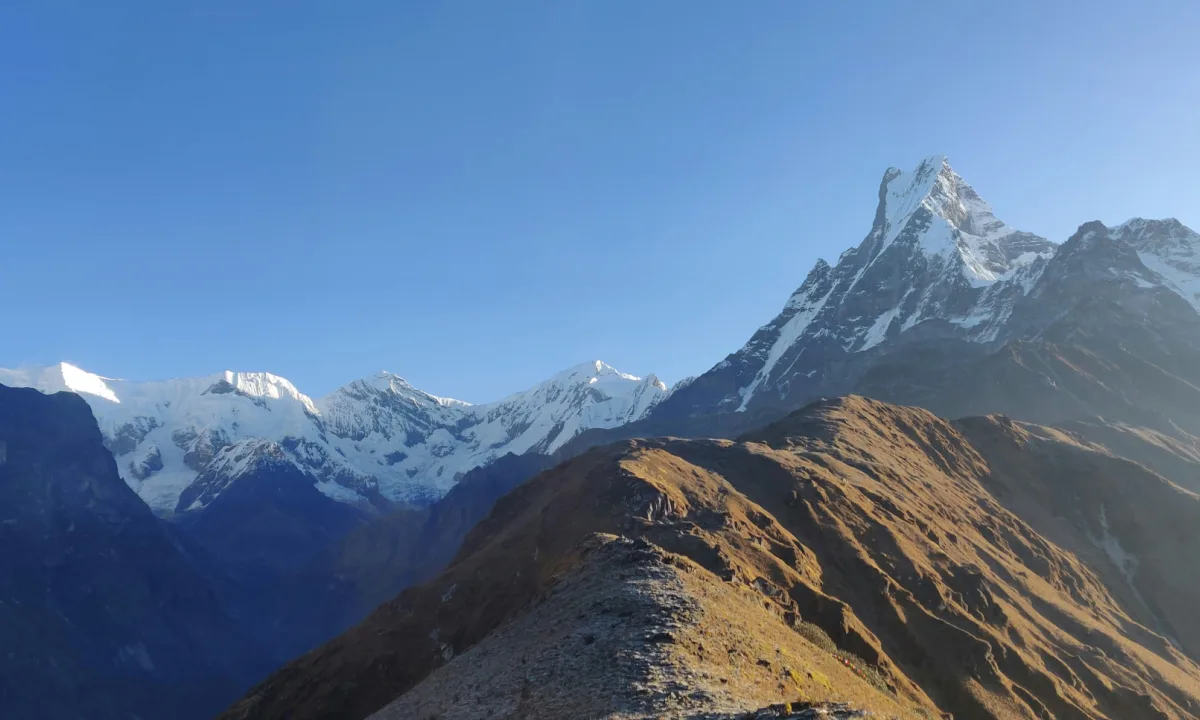
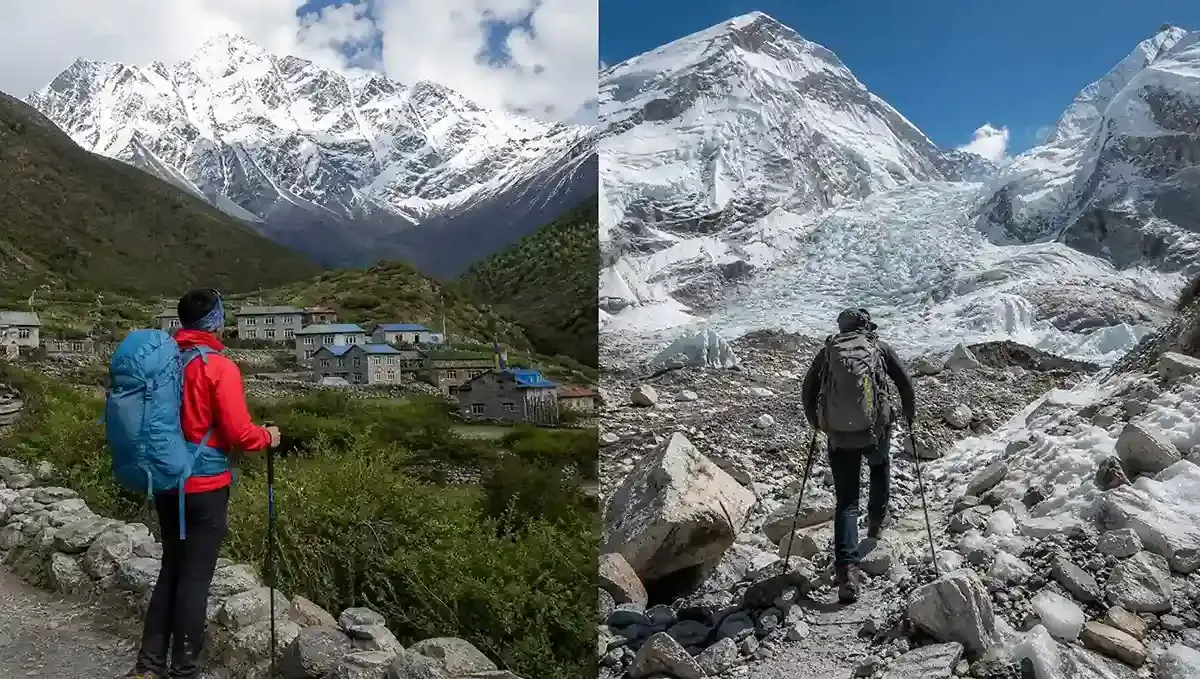
The allure of the Himalayas is unmatched, and for passionate outdoor enthusiasts, undertaking solo trekking in Nepal represents the ultimate bucket-list adventure. Whether you dream of standing beneath towering giants during solo trekking in Everest region or testing your endurance on the remote trails of the solo trekking in Manaslu circuit, embarking on a journey by yourself offers a profound sense of freedom and personal discovery.
However, navigating the majestic yet challenging landscapes of Nepal requires a clear understanding of evolving regulations, permit requirements, and safety protocols. This comprehensive guide covers everything you need to know about trekking solo in the Himalayas, ensuring your independent expedition is both safe and deeply rewarding.
Is Solo Trekking Banned in Nepal?
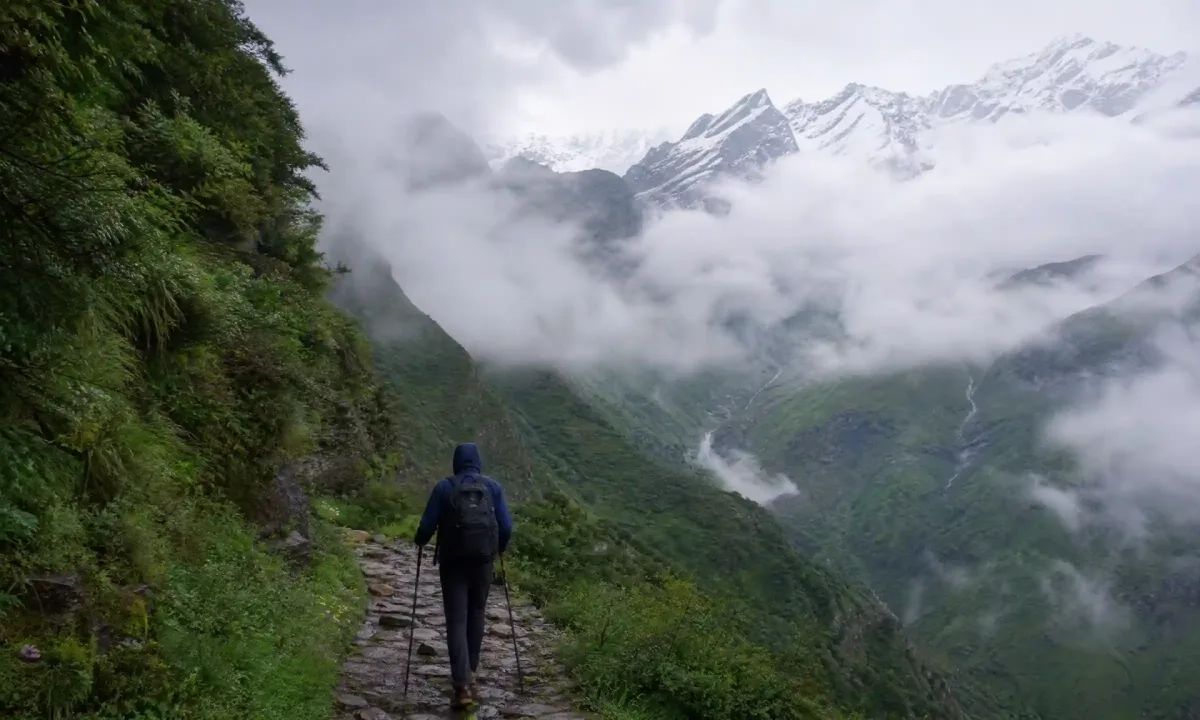
A frequent point of confusion for modern travelers is whether solo trekking banned in Nepal. In response to growing safety concerns and search-and-rescue challenges in remote areas, the Nepal Tourism Board implemented regulations requiring licensed guides for mainstream national parks and conservation areas. However, this does not mean independent adventure is dead. Rather than walking completely unassisted and out of contact, solo trekking today means traveling independently as a party of one, accompanied by a certified guide or porter-guide.
Furthermore, recent updates have introduced significant flexibility for intrepid explorers. The historical requirement that mandated a minimum of two trekkers to obtain Restricted Area Permits (RAP) has been revised. Solo travelers are now legally permitted to secure restricted area permits for remote regions like Manaslu, Upper Mustang, and Dolpo, provided they are accompanied by a licensed guide. This ensures that you can still experience profound wilderness solitude while maintaining a vital safety net on the trail.
Does Group Trekking Cost More Than Solo Travel?
A common financial dilemma for independent travelers is evaluating whether group trekking costs more than solo travel. Mathematically, traveling entirely on your own in Nepal often incurs a higher per-person cost compared to joining a pre-arranged group tour. When you trek independently with a private guide, you absorb one hundred percent of the fixed logistics expenses, including guide wages, specialized permits, private jeep transfers, and accommodation coordination, whereas group tours distribute these overhead costs among multiple participants.
| Expense Category | Solo Travel (Private Guide) | Group Tour / Fixed Departure |
|---|---|---|
| Guide & Porter Wages | 100% solo responsibility | Shared among group members |
| Transport & Transfers | Higher per-person charter costs | Optimized shared vehicle expenses |
| Itinerary Flexibility | Complete control over daily pace | Fixed schedule dictated by group |
| Accommodation | Standard teahouse rates (plus single room fees) | Group-allocated lodge rooms |
Despite the higher upfront cost, trekking solo offers unmatched flexibility. You control your daily pace, decide when to rest, and choose exactly how long to linger at scenic viewpoints without compromising with fellow travelers.
Best Regions and Routes for Solo Travelers
Choosing the right trail depends entirely on your experience level, fitness, and desire for social interaction versus solitude. Nepal offers distinct regional corridors tailored to different styles of independent exploration.
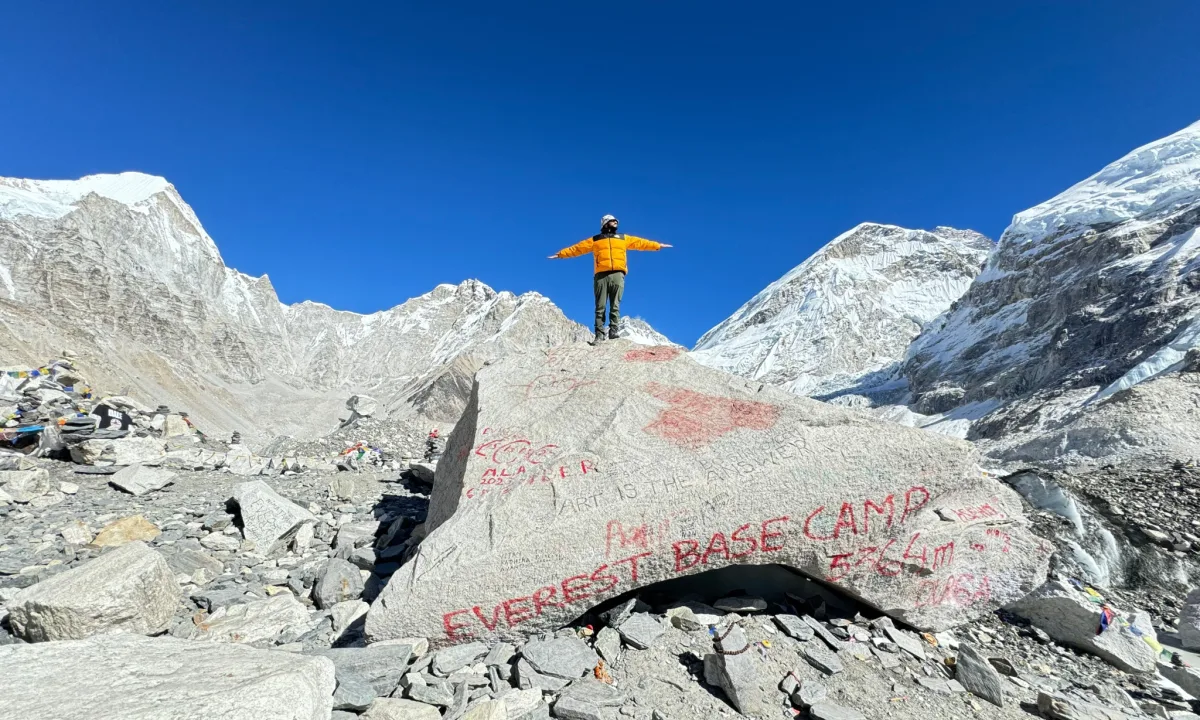
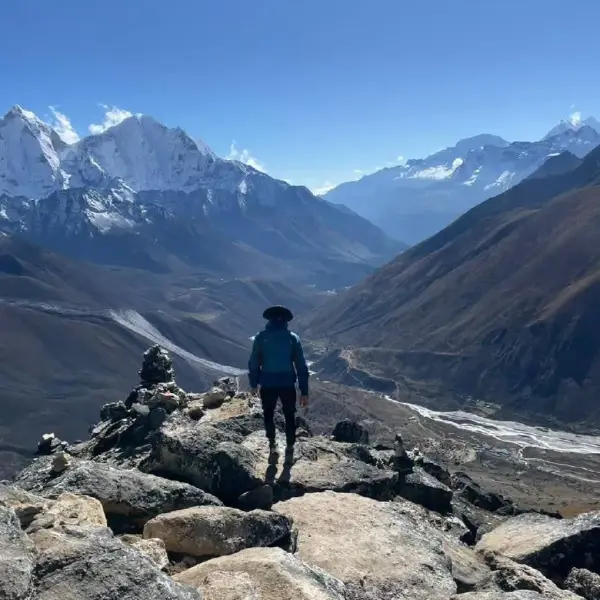
When solo trekking in the Everest region, you benefit from exceptional teahouse density, a bustling social atmosphere, and frequent contact with fellow global travelers. Routes like Everest Base Camp and the Gokyo Lakes offer structured infrastructure, though altitude demands strict discipline.
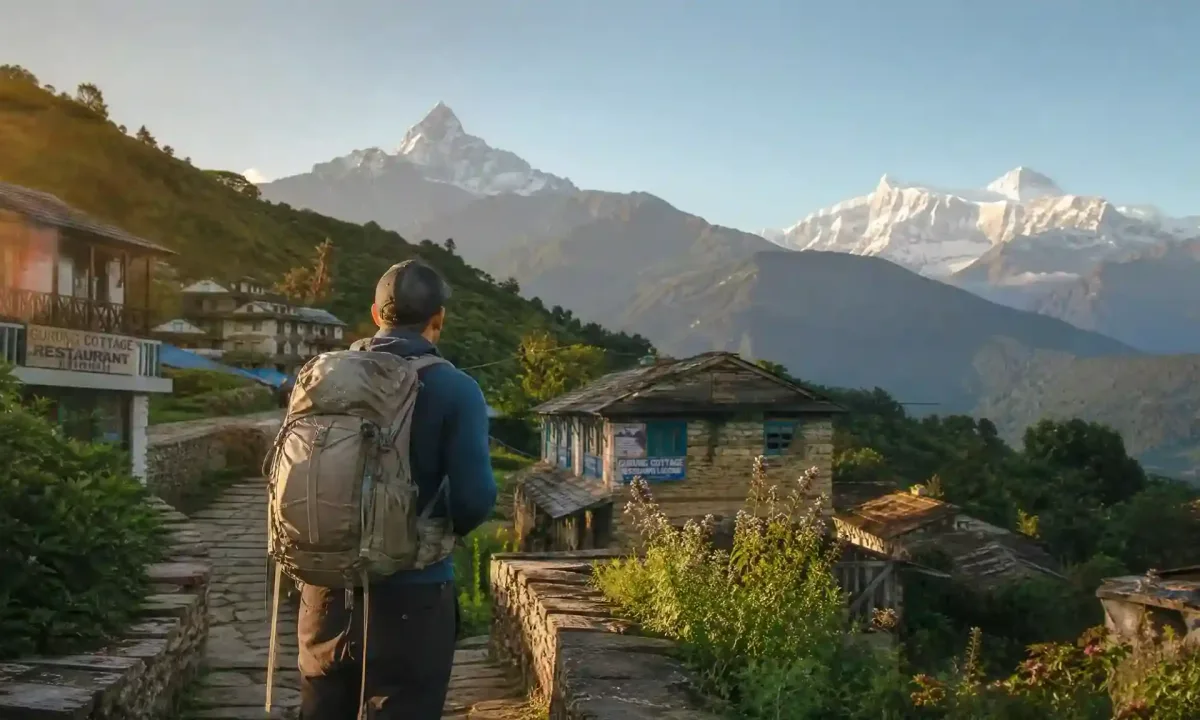
For those seeking classic Himalayan panoramas with moderate physical exertion, the Annapurna region, including Poon Hill, Annapurna Base Camp, and the Annapurna Circuit, remains the premier destination for independent hikers. The trails are exceptionally well-marked, and welcoming local communities line every stage of the journey.
For seasoned adventurers seeking an off-the-beaten-path wilderness challenge, undertaking the solo trekking in Manaslu circuit provides a breathtaking alternative. Winding around the dramatic flanks of Mount Manaslu and crossing the formidable Larkya La Pass, this route rewards prepared travelers with raw, uncommercialized mountain splendor.
Solo Female Trekking Safety in Nepal
Safety is paramount for anyone venturing into the mountains alone, and solo female trekking safety is a frequent topic of discussion among prospective visitors. Fortunately, Nepal is widely recognized as one of the safest destinations in South Asia for women traveling independently. Violent crime against tourists along established trekking routes is exceptionally rare, and local mountain communities hold a deep cultural respect for guests.
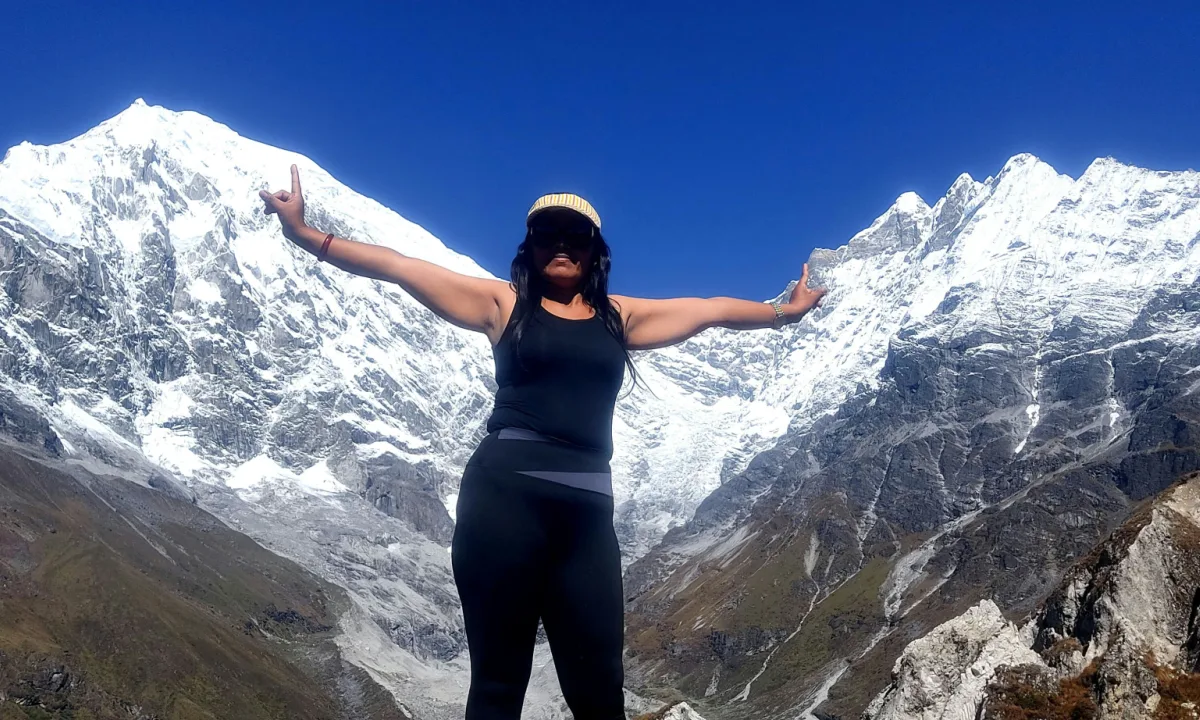
Nevertheless, intelligent precautions remain essential. Female travelers should always stay in reputable, well-reviewed teahouses, avoid hiking isolated trails after dark, and share their daily itinerary with lodge owners or family members back home. Hiring a licensed guide or porter through a reputable platform adds an invaluable layer of security, companionship, and local advocacy, ensuring you feel fully supported throughout your journey.
Essential Health, Permits, and Safety Tips
A successful Himalayan expedition rests on meticulous administrative and health preparation. Before hitting the trail, you must secure the appropriate permits. Depending on your chosen route, this typically includes a Trekkers' Information Management System (TIMS) card, Conservation Area Permits (such as ACAP for Annapurna or MCAP for Manaslu), and Restricted Area Permits where applicable.
At high elevations, Acute Mountain Sickness (AMS) presents the most significant health hazard. Whether you are walking through the solo trekking in the Everest region or crossing high mountain passes, proper acclimatization is non-negotiable. Ascend gradually above 3,000 meters, maintain aggressive hydration, listen closely to your body's physical signals, and ensure your comprehensive travel insurance explicitly covers high-altitude emergency medical evacuation via helicopter.
Gear Essentials for a Solo Trekking Adventure
Packing efficiently can make or break your mountain experience. When preparing the necessary gear essentials for a solo trekking adventure, balance protection against weight minimization. Because you will rely heavily on your own setup (or manage a single porter), every item must serve a distinct purpose.
- Layering System: Moisture-wicking base layers, insulating fleece mid-layers, and a waterproof, windproof outer shell.
- Footwear: Broken-in, waterproof hiking boots with aggressive ankle support and durable wool socks.
- Navigation & Power: Reliable offline navigation apps, a high-capacity power bank, and a solar charger, as electricity charging in remote teahouses incurs extra fees.
- Health & Safety: A comprehensive first-aid kit containing altitude medication (Diamox), blister treatments, rehydration salts, and water purification tablets or a UV purifier.
"The mountains are calling and I must go, and I will work on while I can, studying incessantly."
Final Thoughts
Embarking on an independent journey through the majestic landscapes of Nepal is a transformative experience that builds resilience, offers breathtaking vistas, and connects you deeply with Himalayan culture. By understanding current regulatory frameworks, prioritizing health and safety, and preparing thoroughly, you can embrace the open trail with absolute confidence. Embrace the solitude, respect the mountains, and step out into the world ready for the adventure of a lifetime.
Frequently Asked Questions (FAQs)
Can I trek completely alone without a guide in Nepal?
While true unguided hiking is still permitted on a few minor walking routes outside protected areas, government regulations require a licensed guide for nearly all major trekking corridors, national parks, and conservation areas. Solo trekking today involves traveling independently as a single client accompanied by a certified guide.
Does group trekking cost more than solo travel?
Generally, group tours cost less per person because fixed logistics expenses, such as guide wages, private transportation, and permit processing, are shared among multiple participants. Solo travel requires you to cover these operational costs independently, though it offers complete control over your daily itinerary and pace.
Is Nepal safe for solo female trekkers?
Yes, Nepal is considered exceptionally safe for solo female travelers. Violent crime on established trekking routes is exceedingly rare, and local hospitality is renowned. Practicing standard travel precautions, staying in reputable teahouses, and hiring a trusted local guide ensure a secure and empowering experience.
What permits do I need for solo trekking in the Everest or Manaslu regions?
For the Everest region, you will need a Sagarmatha National Park entry permit and a TIMS card. For the Manaslu region, because it is designated as a restricted zone, you must obtain a Restricted Area Permit (RAP), a Manaslu Conservation Area Permit (MCAP), and an Annapurna Conservation Area Permit (ACAP) through a registered local agency alongside a mandatory licensed guide.
What are the absolute must-have gear essentials for a solo trekking adventure?
Essential items include waterproof hiking boots, moisture-wicking thermal layers, a certified water purification system, a robust first-aid kit containing altitude medication, offline navigation tools with a portable power bank, and a high-quality down jacket for cold alpine evenings.
Traveller and Co-founder of Travories.
Comments
Join the conversation and share your thoughts.
Loading comments…