Ghorepani Trek: The Road Changed Ulleri. The Mountains Did Not
A first-person return to one of Nepal's most-walked trails – and what is different now.
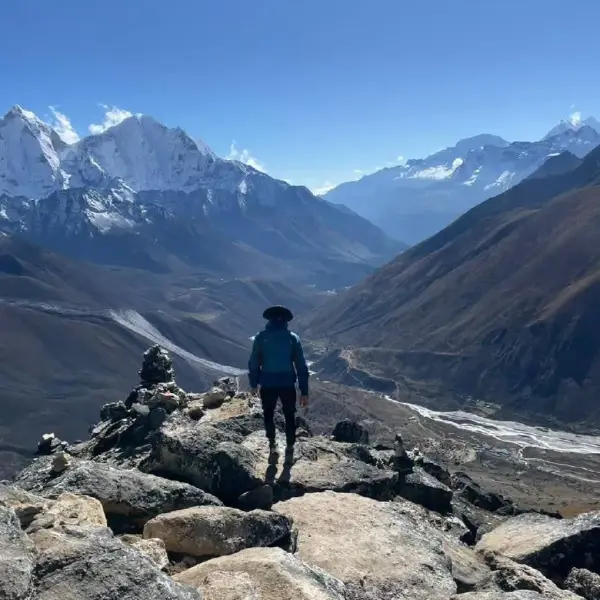

A Few Extra Coffees in Ulleri
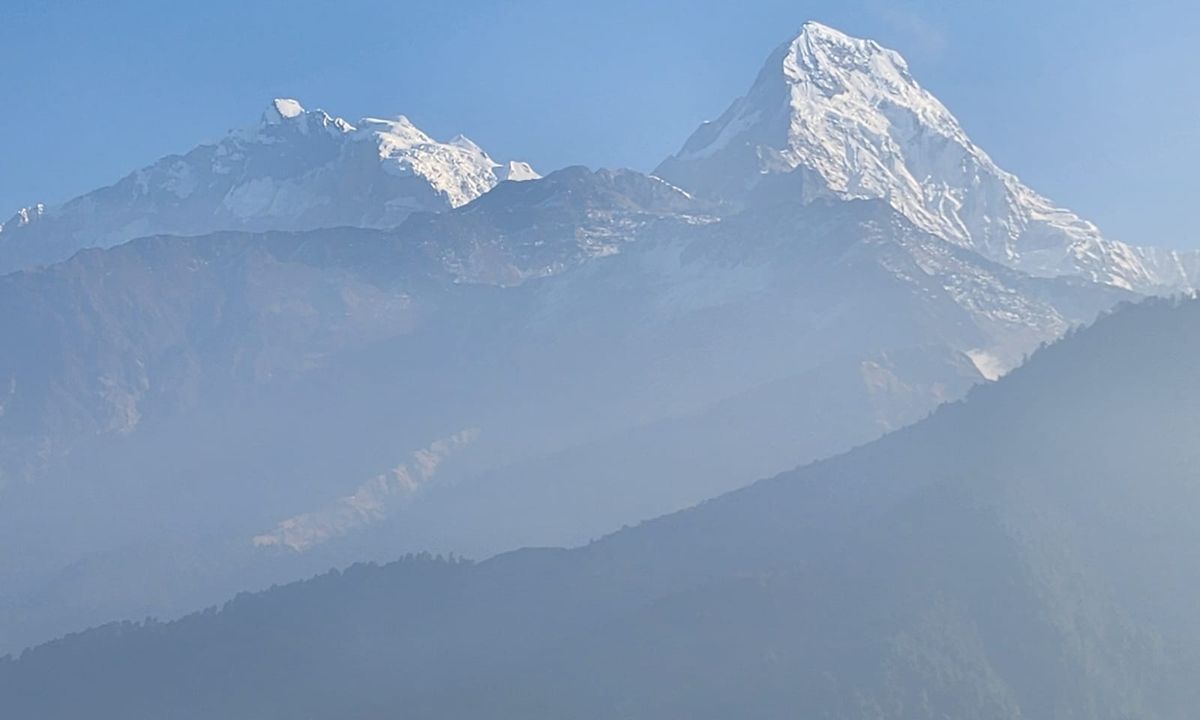
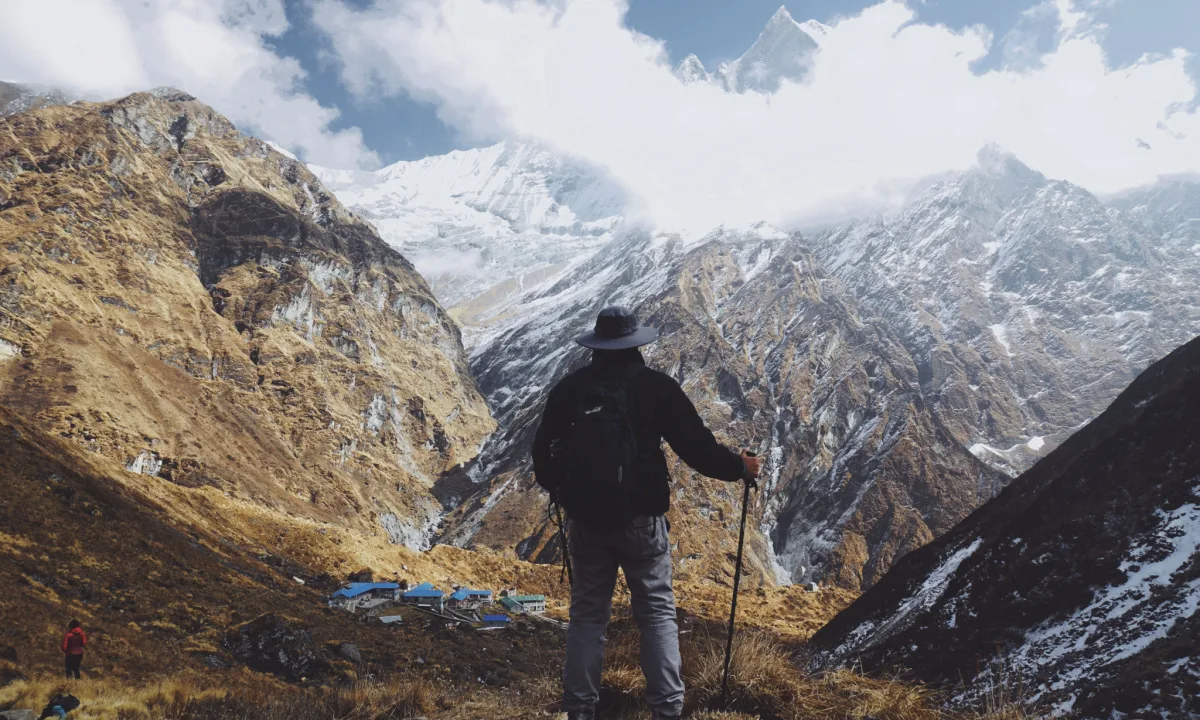
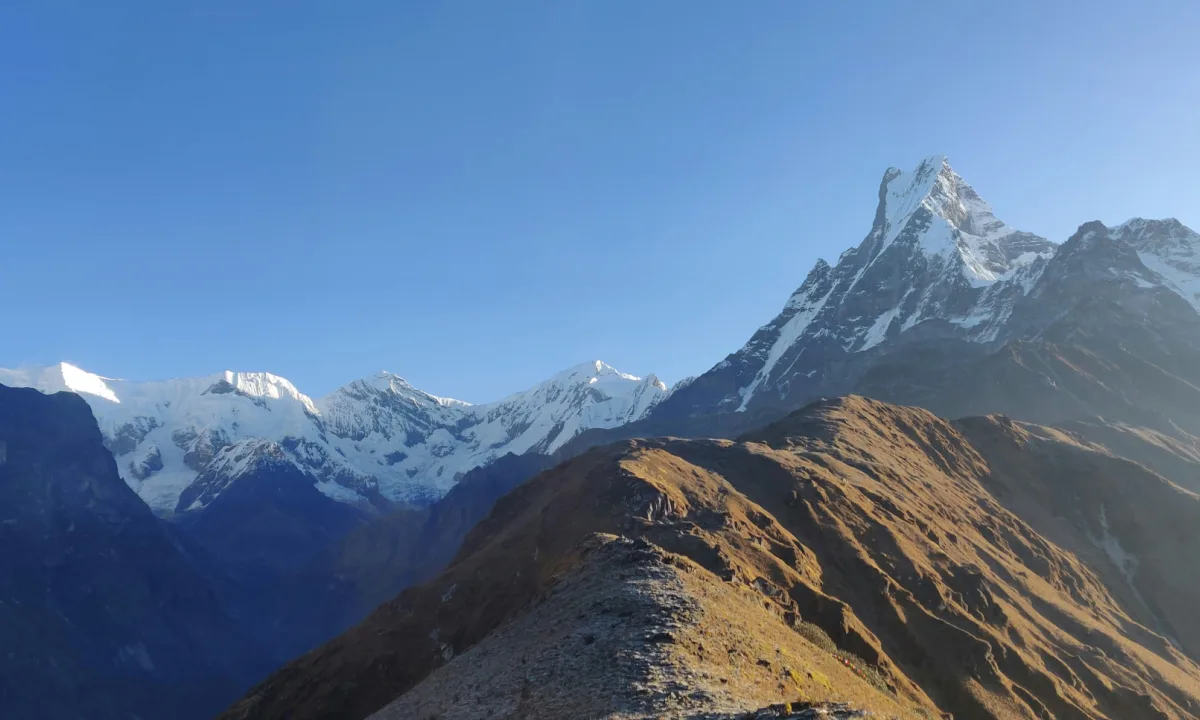
The morning I woke up in Ulleri, the weather had softened somewhat. The clouds were still there, but they were moving now, and in the gaps between them you could catch glimpses of what I am told is either Hiuchuli or Annapurna South or both. Having been on the Ghorepani trek enough times to know what awaited at the end, I did not feel the urgency that first-timers tend to carry as they make an early start. I had a couple of extra black coffees. I paced along the balcony, looking at whatever was visible, thinking, appreciating, and then losing the thread of thought entirely, before trying to focus on my breathing to find the present moment, which, as usual, declined to be found. I walked over to an old man near the front courtyard to strike up a conversation, or at least attempt one.
The Road to Ghorepani and What It Took With It
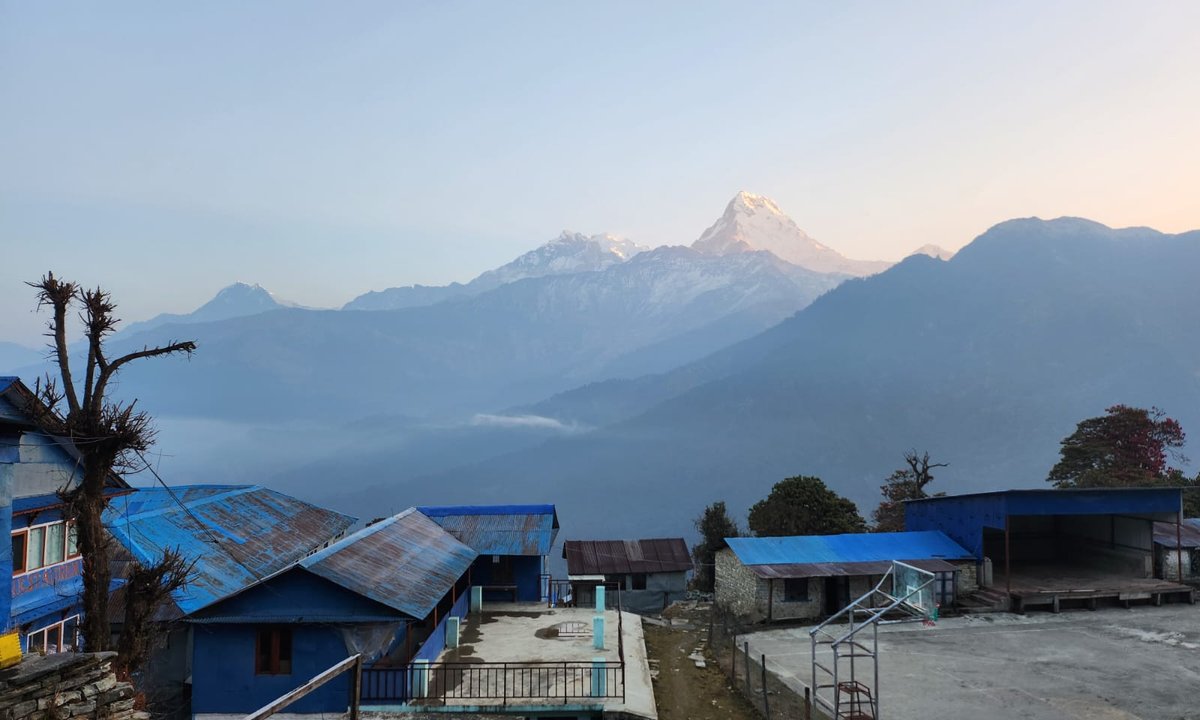
A few exchanges in, I found out he was actually the owner of the guesthouse. I asked him about the origins of the place, what happened during the earthquake, the changes he had seen over the years and all that. Then I asked about the road to Ghorepani and how he felt about it. He took a moment to reflect and said it was convenient for people in some ways, but that it had affected Ulleri. Travellers were no longer inclined to spend a night here as they could go straight to Ghorepani. That meant fewer guests, and fewer guests meant less work for the people in the village, the ones who supplied vegetables, meat, whatever was needed when the guesthouse was full. We talked for ten or fifteen minutes, and despite everything he was describing, he did not seem particularly anxious. There was an acceptance in how he spoke, the kind that says this is how things go, and there is not much use in fighting the fact of it. Whether that is fatalism or wisdom, I could not quite decide. But it seemed like a more palatable position than most.
The Second Day of the Ghorepani Trek, Which Is Always Easier
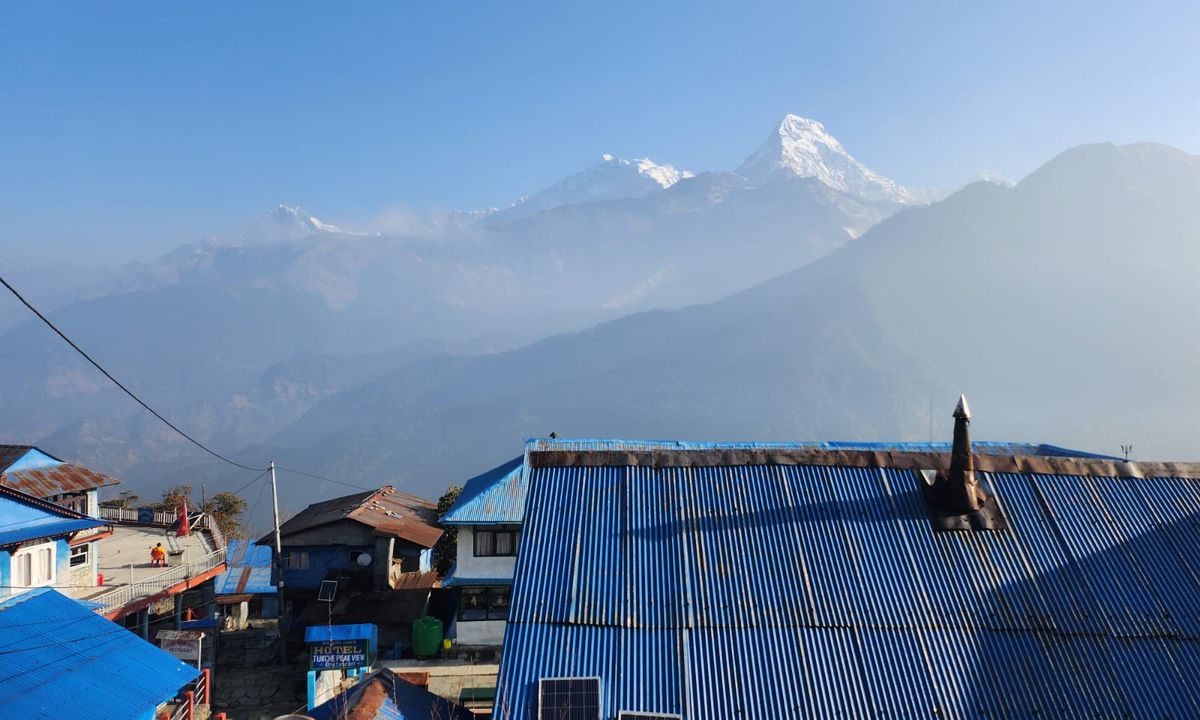
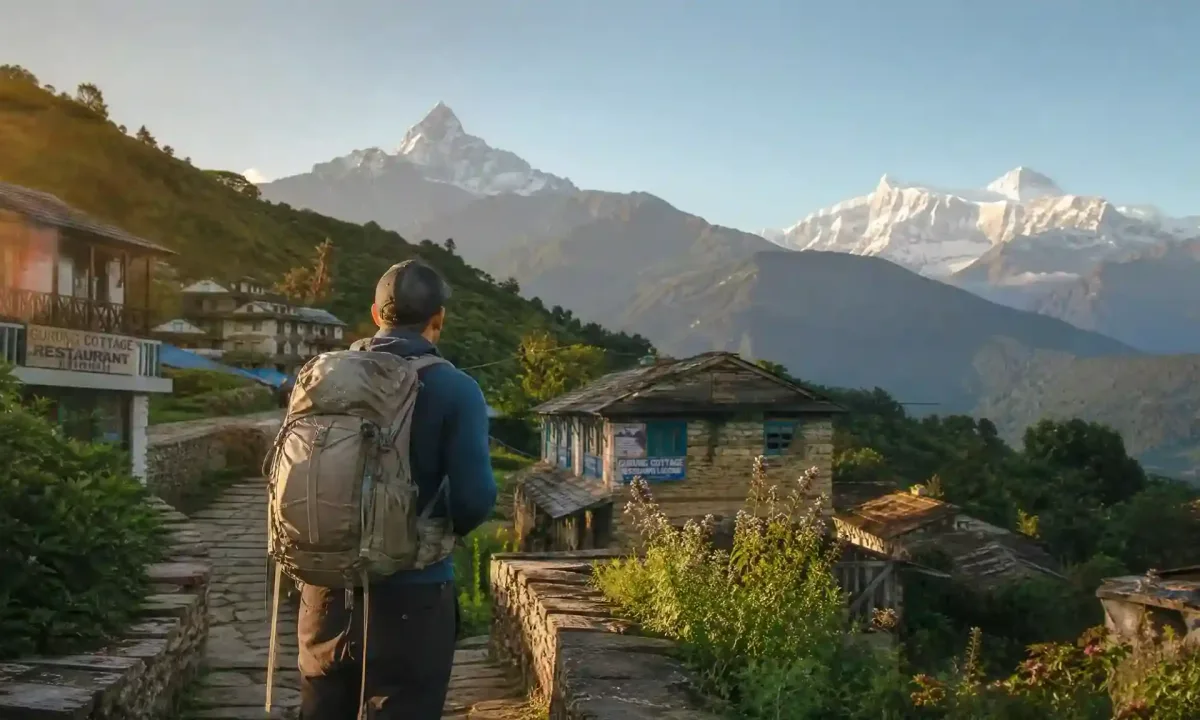
I set off around nine or nine thirty, moving through a landscape I have walked enough times to carry in memory, checking my recollections against what appeared around each bend, guessing what was coming next, doubting the guess when it did not arrive, and then finding it just ahead where it had always been. The trail felt considerably easier than the day before on the Ghorepani Poon Hill route, as it always does on the second day when the body has made its peace with the altitude and the gradient. Most of the people I crossed going the other way were moving quickly, heads down, the return having a different quality to the ascent. When you are going up, the landscape earns your attention because you need to know what is ahead. Coming down, the mission has been accomplished, and the scenery becomes background. I found myself wondering whether the hills notice the difference, the pauses of appreciation on the way up and the turned backs on the way down.
Nangethanti, and the Trail That Was No Longer There
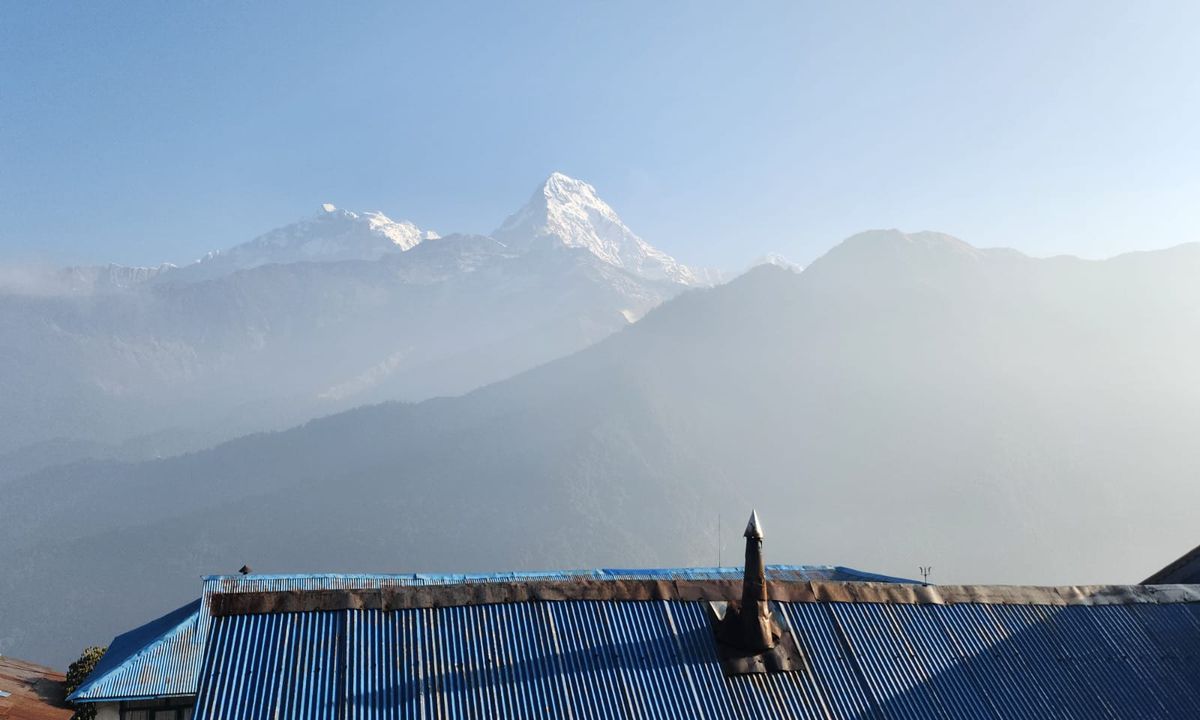
At Nangethanti, my memory drew a blank. A wider road had replaced the trail I was reconciling against, and the path I had carried in my head simply did not match what was in front of me. I felt a brief melancholy, the specific kind that comes from returning somewhere and finding it has moved on without you. It is not grief exactly, more like the mild vertigo of realising that a place you thought of as yours was never waiting.
The Hotel With Dhaulagiri in Its Name
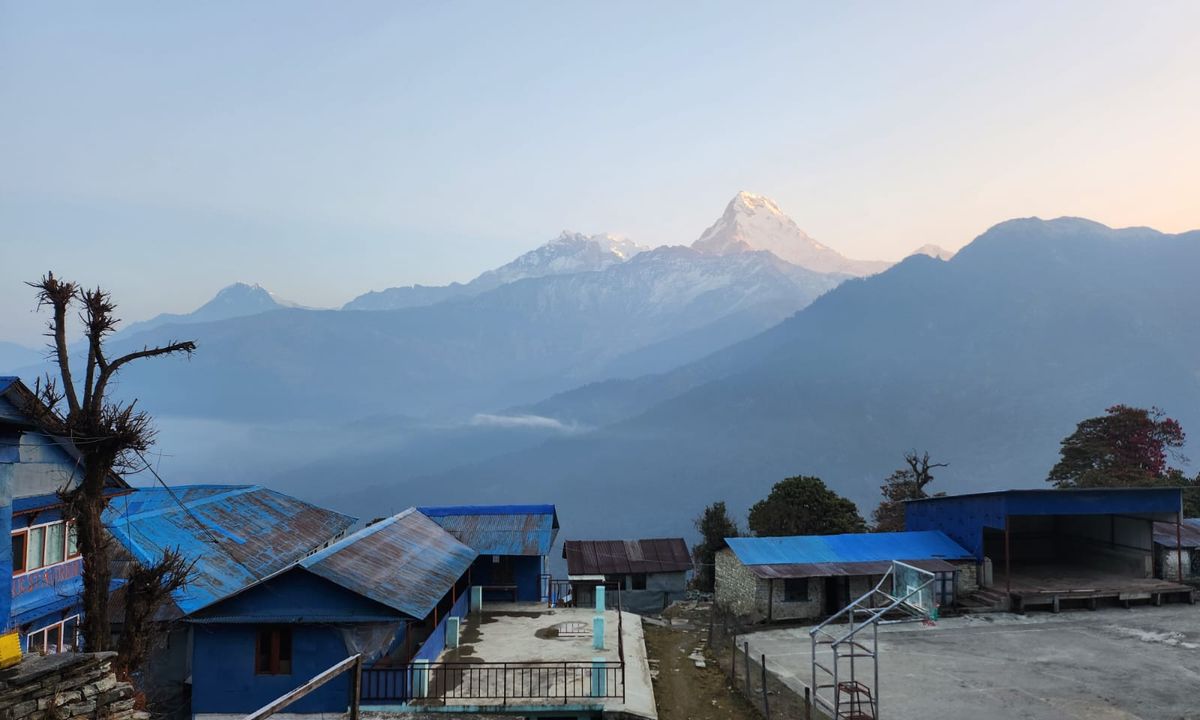
I went straight to the hotel that has Dhaulagiri in its name, where I have stayed on enough previous occasions that arriving felt less like checking in and more like returning to something familiar. Whatever concerns had accumulated on the walk dissolved somewhere between the shower and lunch. The warmth there was the same as it had always been, which reminded me that it is the people who make the soul of a place, and that the soul tends to outlast the changes to the trail. And yeah, the mountains looked good too, though I almost forgot to mention it.
" It is the people who make the soul of a place, and the soul tends to outlast the changes to the trail. "
Planning the Ghorepani Poon Hill trek?
Compare verified trekking agencies and packages for the Ghorepani Poon Hill route — from Nayapul to the sunrise at Poon Hill — all on Travories.
FREQUENTLY ASKED QUESTIONS
Is the Ghorepani Poon Hill trek still worth doing in 2026?
Yes — the Ghorepani trek remains one of the most rewarding short treks in Nepal. The new road has changed the lower section of the route and reduced overnight traffic in villages like Ulleri, but the upper trail, the rhododendron forests between Nangethanti and Ghorepani, and the sunrise view from Poon Hill are unchanged. The road has shortened the approach for some trekkers, not the experience that makes Ghorepani worth visiting.
How long is the trek from Ulleri to Ghorepani?
The walk from Ulleri to Ghorepani takes approximately 3 to 4 hours at a steady pace, passing through Banthanti and Nangethanti. It is considerably easier than the steep stone staircase climb from Nayapul to Ulleri the day before, and most trekkers find the second day a relaxed and enjoyable walk. The trail gains altitude gradually and the rhododendron forest in spring is one of the highlights of the entire Ghorepani trek.
Where should I stay in Ghorepani?
Ghorepani has a wide range of teahouses and guesthouses, from basic lodges to comfortable options with attached bathrooms and mountain views. Hotels with Dhaulagiri and Annapurna in their names are well-known landmarks in the village. During peak season — March to May and October to November — book ahead where possible as popular guesthouses fill quickly around Poon Hill sunrise days. Most guesthouses include dinner and breakfast in the room rate.
Is it worth staying overnight in Ulleri on the Ghorepani Poon Hill trek?
Yes, particularly if you want to avoid the crowds at Poon Hill and experience the trek at a slower pace. Ulleri is a traditional Magar village with a small number of guesthouses and wide mountain views. The new road has reduced overnight traffic here, which means Ulleri is now quieter and less commercialised than Ghorepani. Starting from Ulleri early the next morning gives you a full day on the trail before the afternoon crowds arrive.
What has the new road to Ghorepani changed for trekkers?
The road now allows vehicles to travel much closer to Ghorepani, bypassing Ulleri and sections of the traditional trail near Nangethanti. For trekkers, this means the lower section of the Ghorepani Poon Hill trek no longer follows the original path in some areas. For villages like Ulleri, it has reduced the number of overnight guests and affected local livelihoods. The upper trail from Nangethanti to Ghorepani and the Poon Hill section remain on the traditional route and are unchanged.
Sarans Pandey
www.facebook.com/saranspandey89Travel enthusiast and Travel writer
Comments
Join the conversation and share your thoughts.
Loading comments…