Kanchenjunga Circuit Trek – 22 Days
Not yet rated

Overview
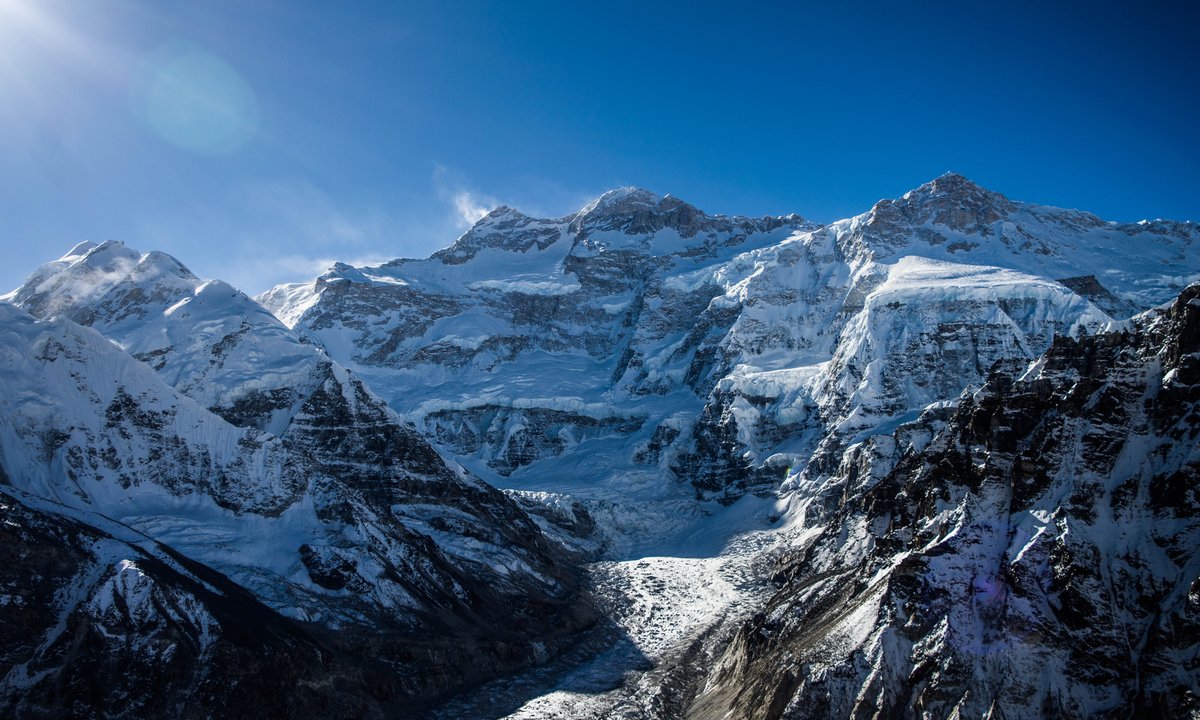
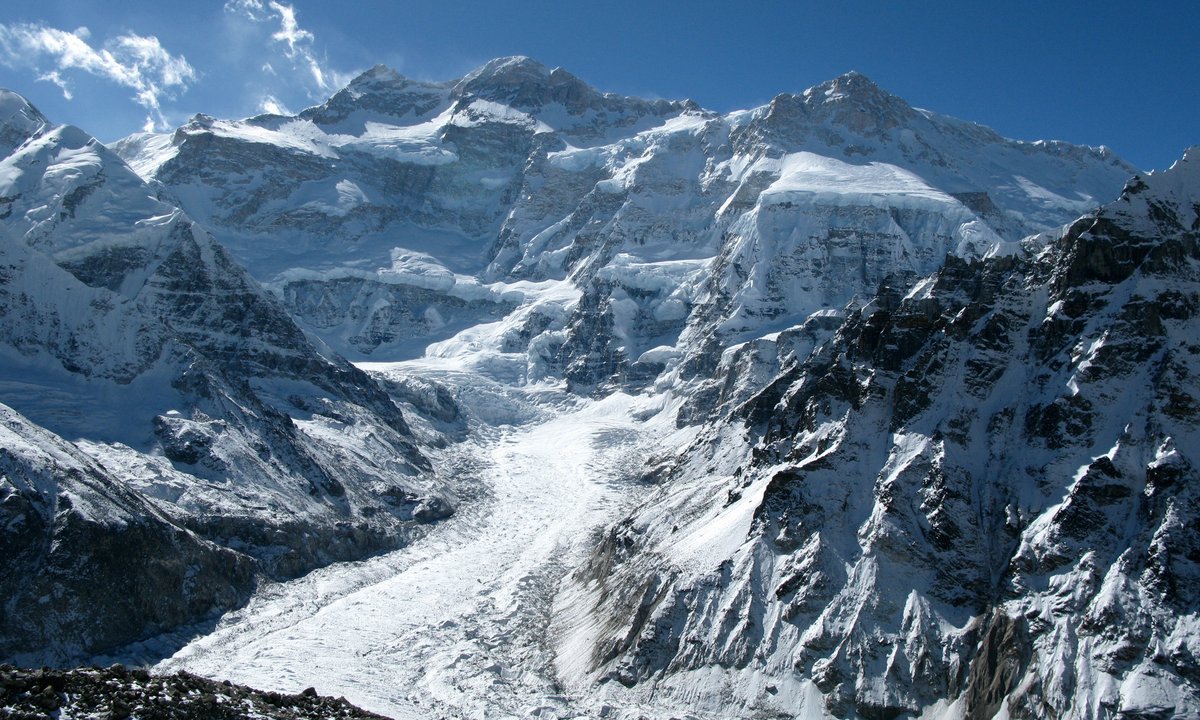
The Kanchenjunga Circuit Trek takes you to both base camps of the world's third-highest mountain, Pangpema in the north at about 5,143 m and Oktang in the south at about 4,730 m, through one of the most remote corners of Nepal. Over 22 days you walk from subtropical river gorges through Tibetan-influenced villages to glacier valleys, then cross a chain of high passes between the two sides. Few trekkers come here, and that is the reason to go.
Highlights
- Stand beneath the north face of Kanchenjunga at Pangpema
- The south face and the Yalung glacier from Oktang
- Cross Sele La and Mirgin La, with Makalu and Everest in the distance on clear days
- Ghunsa, a village of prayer flags, wooden houses and a monastery
- Jannu's huge north face from Khambachen
- Rhododendron forests that bloom in spring
Is this trek for you?
This is a long, demanding trek for experienced walkers. Most days take 5 to 8 hours, a few take 9 or 10, and the trail is rough and steep in places. You should have trekked at altitude before. Two acclimatization days, at Ghunsa and Khambachen, and a spare day in Kathmandu are built in.
Permits and group rules
Kanchenjunga is a restricted area. You need a Restricted Area Permit and a Kanchenjunga Conservation Area permit, issued through a registered agency in Kathmandu. Solo trekking is not allowed: the permit requires at least two trekkers and a licensed guide. Current fees are confirmed at booking.
A day on the trail
Days start early with tea and breakfast, and you are usually walking by 7:30. Your guide sets a steady pace with plenty of breaks, and lunch is at a lodge or a sheltered spot on the way. Most afternoons are free to rest, wash and dry clothes. In the evening the guide briefs you on the next day over dinner.
Safety and acclimatization
Several days gain 600 to 800 m of sleeping altitude, which is normal for this valley, so the rest days at Ghunsa and Khambachen matter. Your guide checks your oxygen level each evening with an oximeter. Headaches, nausea or unusual tiredness are signs to slow down or descend. Rescue is slow here, so good insurance with helicopter cover is essential.
Food and lodging
Lodges are basic family-run tea houses with shared rooms and simple meals, mostly dal bhat, noodles and potatoes. Above Ghunsa they are very simple and can be cold. Bring a warm sleeping bag. Charging and hot water cost extra and are not always available.
Best time to go
Spring (March to May) and autumn (September to November) bring the most stable weather. Spring is warmer, with rhododendrons in bloom, and autumn has the clearest views. Winter snow can close the high passes, and the monsoon brings rain, leeches and landslides.
Key Facts
Book Now
Make it your own in the planner: change days, stops and stays.
Itinerary
Tribhuvan International Airport - Thamel, Kathmandu
Stops in a Day
Description
Land at Tribhuvan International Airport, where a representative meets you and drives you to your hotel in Thamel. Rest after the flight. In the evening your guide explains the route, checks your gear against the packing list and collects the passport copies and photos needed for the restricted-area permit, which must be issued in Kathmandu before you leave.
- Overnight: Kathmandu (about 1,400 m)
- Airport transfer: about 30 minutes
Thamel, Kathmandu - Thamel, Kathmandu
Stops in a Day
Description
A free day in Kathmandu while your agency collects the Restricted Area Permit and the Kanchenjunga Conservation Area permit. Use it to buy or rent anything still missing, such as a warm sleeping bag or a down jacket, because there are almost no shops on the trail. If you have time, visit Boudhanath or Pashupatinath, both a short drive from Thamel.
- Overnight: Kathmandu (about 1,400 m)
Thamel, Kathmandu - Taplejung
Stops in a Day
Description
Fly east to Bhadrapur on the plains, then begin the long drive north into the hills, through tea gardens around Ilam and up winding roads to Taplejung. It is a full day in a jeep, but the views of terraced hillsides make up for it. Taplejung is the district headquarters and the last sizeable town before the trek.
- Overnight: Taplejung (about 1,820 m)
- Flight: about 45–55 minutes to Bhadrapur
- Drive: 8–9 hours, about 260 km
Taplejung - Sekathum
Stops in a Day
Description
A rough road follows the Tamor river valley north to Sekathum, where the Ghunsa Khola joins the Tamor and the walking starts. Permits are checked at the entry point. The road can be slow after rain, so your guide may stop for a break on the way. The lodge sits beside the rushing river in thick forest.
- Overnight: Sekathum (about 1,580 m)
- Drive: 5–6 hours, 60–70 km
Sekathum - Amjilosa
Stops in a Day
Description
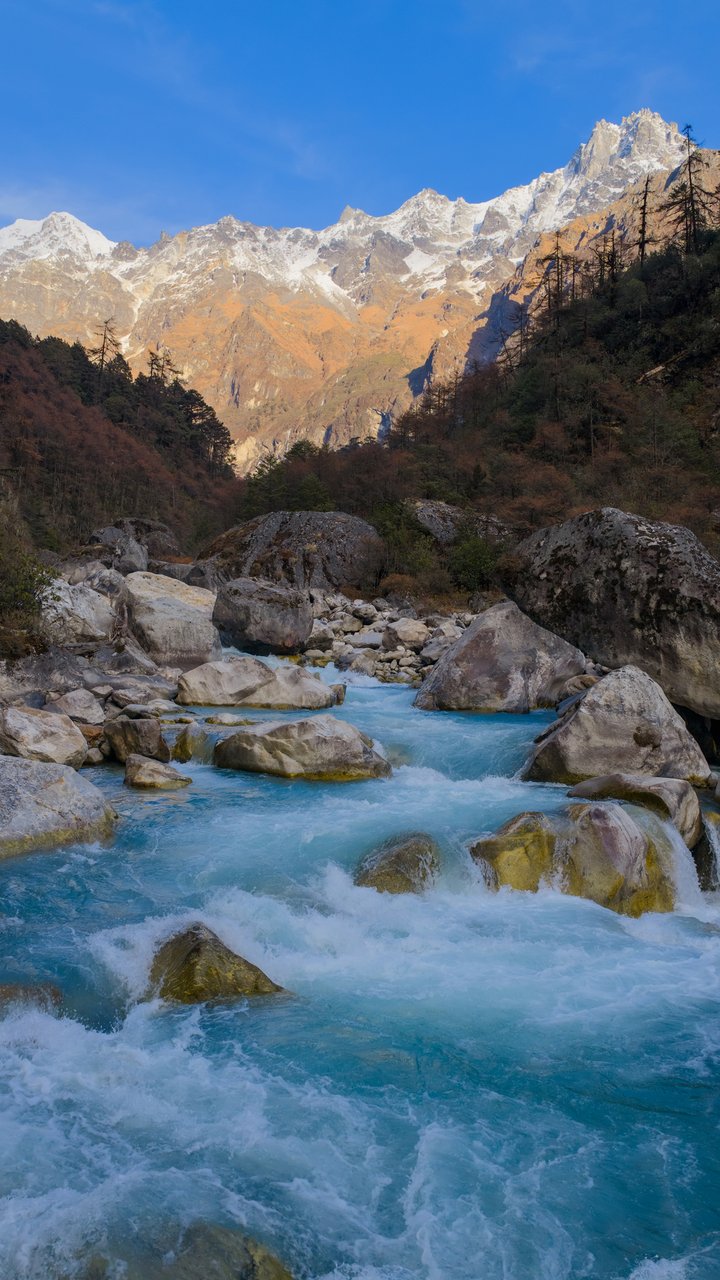
The first trekking day follows the Ghunsa Khola upstream through a narrow gorge, crossing it on suspension bridges, then climbs steeply through forest to the small settlement of Amjilosa. Expect a tough first day: the climb near the end is long and sustained. You will meet few other trekkers from here on.
- Overnight: Amjilosa (about 2,400 m)
- Trek: 6–7 hours, 10–12 km
Amjilosa - Gyabla
Stops in a Day
Description
A shorter day through bamboo and rhododendron forest, past waterfalls and moss-covered boulders, to the Tibetan-influenced village of Gyabla. The trail traverses high above the river with some steep sections. In spring the rhododendrons along this stretch are in full bloom.
- Overnight: Gyabla (about 2,730 m)
- Trek: 4–7 hours, 12–14 km
Gyabla - Ghunsa
Stops in a Day
Description
Descend to the river and walk up the widening valley past Phale, a village of Tibetan refugees, to Ghunsa. Ghunsa is the largest village on the trek, with prayer flags, a monastery, wooden houses and the last proper supplies. It is a good place to rest, wash and dry gear before going higher.
- Overnight: Ghunsa (about 3,415 m)
- Trek: 5–6 hours, 12–15 km
Ghunsa (Acclamatization Day) - Ghunsa (Acclamatization Day)
Stops in a Day
Description
An acclimatization day in Ghunsa. Hike up to the Lapsang La monastery or along the ridge above the village for views of the surrounding peaks, then return to sleep at the same altitude. Gaining height during the day and sleeping lower helps your body prepare for the high valley ahead.
- Overnight: Ghunsa (about 3,415 m)
- Acclimatization hike: 3–4 hours
Ghunsa - Khambachen
Stops in a Day
Description
Leave the forest behind and follow the river north through open country to Khambachen, a cluster of stone huts beneath the huge north face of Jannu (Kumbhakarna). Part of the trail crosses a landslide area, so your guide sets the pace. Watch for blue sheep on the slopes above.
- Overnight: Khambachen (about 4,050 m)
- Trek: 5–6 hours, 11–12 km
Khambachen - Khambachen
Stops in a Day
Description
A second acclimatization day. Walk up the side valley towards the Jannu glacier for views of the peak, or simply rest. Sleeping a second night at Khambachen before the jump to Lhonak is one of the most useful parts of this itinerary.
- Overnight: Khambachen (about 4,050 m)
- Acclimatization hike: 2–4 hours
Khambachen - Lhonak
Stops in a Day
Description
Cross boulder fields and the moraine of the Kanchenjunga glacier to Lhonak, a wide, sandy plain surrounded by peaks. The lodges here are very simple. The air is thin, so walk slowly, drink well and rest in the afternoon before tomorrow’s base camp day.
- Overnight: Lhonak (about 4,780 m)
- Trek: 5–7 hours, 10–12 km
Lhonak - Lhonak
Stops in a Day
Description
Walk along the glacier to Pangpema, the north base camp, where the north face of Kanchenjunga, the world’s third-highest mountain, rises in front of you. Spend time taking in the view, then return the same way to Lhonak. It is a long day at altitude, so start early and carry warm layers and snacks.
- Visit: Kanchenjunga North Base Camp, Pangpema (about 5,143 m)
- Overnight: Lhonak (about 4,780 m)
- Trek: 8–10 hours, 15–17 km
Lhonak - Ghunsa
Stops in a Day
Description
Descend the valley past Khambachen all the way back to Ghunsa. It is a long day on the legs, but losing well over a thousand metres makes it feel easier, and Ghunsa’s warmer air and better lodges are a welcome return.
- Overnight: Ghunsa (about 3,415 m)
- Trek: 8–10 hours, 22–23 km
Ghunsa - Sele Le
Stops in a Day
Description
Climb steeply out of Ghunsa through rhododendron and juniper to the Sele Le camp, the starting point for the passes to the southern side. It is a short day in distance but a steep one, and you camp or stay in a basic shelter high on the ridge, ready for an early start.
- Overnight: Sele Le camp (about 4,200 m)
- Trek: 5–7 hours, 10–11 km
Sele Le - Tseram
Stops in a Day
Description
The hardest crossing of the trek: a series of passes, Sele La, Sinion La, Mirgin La and Sinelapche, over high ridges with views back to Makalu and Everest on a clear morning. Then descend to Tseram on the southern side. Start before dawn, as cloud often builds by midday and the trail is hard to follow in snow.
- Passes: Sele La (about 4,480 m) and Mirgin La (about 4,646 m)
- Overnight: Tseram (about 3,870 m)
- Trek: 7–10 hours, about 20 km
Tseram - Ramche
Stops in a Day
Description
Walk up the Yalung valley beside the glacier to Ramche, then continue to the Oktang viewpoint, the south base camp, where the south face of Kanchenjunga and its neighbouring peaks rise above the ice. Return to Ramche for the night. The views from Oktang are among the best of the whole trek.
- Visit: Kanchenjunga South Base Camp, Oktang (about 4,730 m)
- Overnight: Ramche (about 4,580 m)
- Trek: 6–7 hours, about 12 km
Ramche - Tortong
Stops in a Day
Description
A long descent past Tseram and down through forest to Tortong, losing more than 1,500 m. Your knees will feel it, so use trekking poles. The vegetation thickens again with every hour, and the evening at Tortong is noticeably warmer.
- Overnight: Tortong (about 2,995 m)
- Trek: 7–8 hours, 16–17 km
Tortong - Yasang
Stops in a Day
Description
Continue down through forest and past small farms to Yasang. Villages and fields return, and you will see more daily life than on any other part of the trek. It is a moderate day, and a chance to enjoy the lower hills before the long journey home.
- Overnight: Yasang (about 2,150 m)
- Trek: 5–6 hours
Yasang - Taplejung
Stops in a Day
Description
A short final walk takes you to Hellok, where the jeep meets you for the drive back to Taplejung. Say goodbye to the porters this evening; it is a good moment to share the tips you have set aside for the team.
- Overnight: Taplejung (about 1,820 m)
- Trek: 2–3 hours
- Drive: 4–5 hours, about 70 km
Taplejung - Thamel, Kathmandu
Stops in a Day
Description
Drive back down to Bhadrapur through the tea gardens and fly to Kathmandu. It is a long day of travel, and road or weather delays are possible, which is why the next day is a spare day. Enjoy a hot shower and a farewell dinner in Thamel.
- Overnight: Kathmandu (about 1,400 m)
- Drive: 8–9 hours, about 260 km
- Flight: about 50 minutes
Thamel, Kathmandu - Thamel, Kathmandu
Stops in a Day
Description
A spare day in Kathmandu, kept free in case the road or the flight from Bhadrapur was delayed. If everything ran on time, spend it exploring the old palace squares of Patan or Bhaktapur, with their temples, courtyards and wood carving, or shopping for souvenirs, tea and pashmina in Thamel. It is also a good day for a massage after three weeks on the trail.
- Overnight: Kathmandu (about 1,400 m)
Thamel, Kathmandu - Tribhuvan International Airport
Stops in a Day
Description
A private transfer takes you to the airport about three hours before your international flight. If you are staying longer in Nepal, your guide can help you plan the next part of your trip, such as a few days in Pokhara or a jungle safari in Chitwan, before you say goodbye.
- Airport transfer: about 30 minutes
Things Included
Support Team
- Licensed English-speaking trekking guide (required in this restricted area)
- Staff wages, insurance, food and lodging
Permits
- Kanchenjunga Restricted Area Permit
- Kanchenjunga Conservation Area permit
Pickup and Drop Service
- Airport pick-up and drop-off in a private vehicle
Accommodation
- 4 nights in a Kathmandu hotel with breakfast
- 17 nights in tea houses and lodges on the trek
Transport
- Kathmandu–Bhadrapur–Kathmandu flights
- Jeep transfers Bhadrapur–Taplejung–Sekathum and Hellok–Taplejung–Bhadrapur
Food
- Breakfast, lunch and dinner during the trek
- Farewell dinner in Kathmandu
Additional Perks
- First aid kit with a pulse oximeter
- Duffel bag and trekking map
Things Excluded
- International flights and Nepal visa fee
- Travel insurance with high-altitude helicopter evacuation cover (required)
- Lunch and dinner in Kathmandu, except the farewell dinner
- Drinks, snacks, hot showers, Wi-Fi and charging on the trek
- Extra nights caused by road or flight delays, or by leaving early
- Personal trekking gear
- Tips for guides and porters
Things To Pack
Clothing and Backpack
- Down jacket
- Waterproof and windproof shell jacket and trousers
Footwear
- Broken-in waterproof trekking boots
- Camp shoes or sandals
Toiletries and Personal Items
- High-factor sunscreen and lip balm
- Hand sanitiser, wet wipes and toilet paper
Gadgets and Extras
- Headlamp with spare batteries
- UV-protection sunglasses
Optional but Useful
- Sleeping bag rated to about -15 °C, if your agency does not provide one
- Trekking poles
What Not to Carry
- Drones (need a separate permit)
- More cash than you need: carry small notes in Nepali rupees