10 UNESCO World Heritage Sites in Nepal: Must-Visit Places for Every Traveler
Golden temples, spinning prayer wheels, and Everest's summit prove that in Nepal, great things come in small packages.

Nepal, a land of towering Himalayas and vibrant cultures, beckons travelers with its unparalleled blend of natural beauty and profound historical significance. Nestled between the world's highest peaks and lush plains, this South Asian gem is home to a remarkable collection of UNESCO World Heritage Sites in Nepal. These sites are not merely ancient ruins or picturesque landscapes; they are living testaments to centuries of spiritual devotion, artistic mastery, and ecological preservation. The World Heritage Site criteria UNESCO uses to designate these locations ensure that only places of outstanding universal value are recognized, and Nepal proudly boasts ten such treasures.
This blog post will guide you through these ten must-visit places, offering insights into their unique charm, historical narratives, and the unforgettable experiences they offer. Whether you're a history enthusiast, a spiritual seeker, or an adventure lover, Nepal's UNESCO sites promise a journey that blends cultural immersion with breathtaking natural beauty.
The UNESCO World Heritage Sites in Nepal
Nepal's cultural heritage is vividly displayed across its UNESCO-listed sites, particularly within the Kathmandu Valley UNESCO sites, which alone account for seven of the ten. These sites showcase a unique fusion of Buddhist and Hindu traditions, expressed through intricate architecture and vibrant daily rituals.
1. Kathmandu Durbar Square
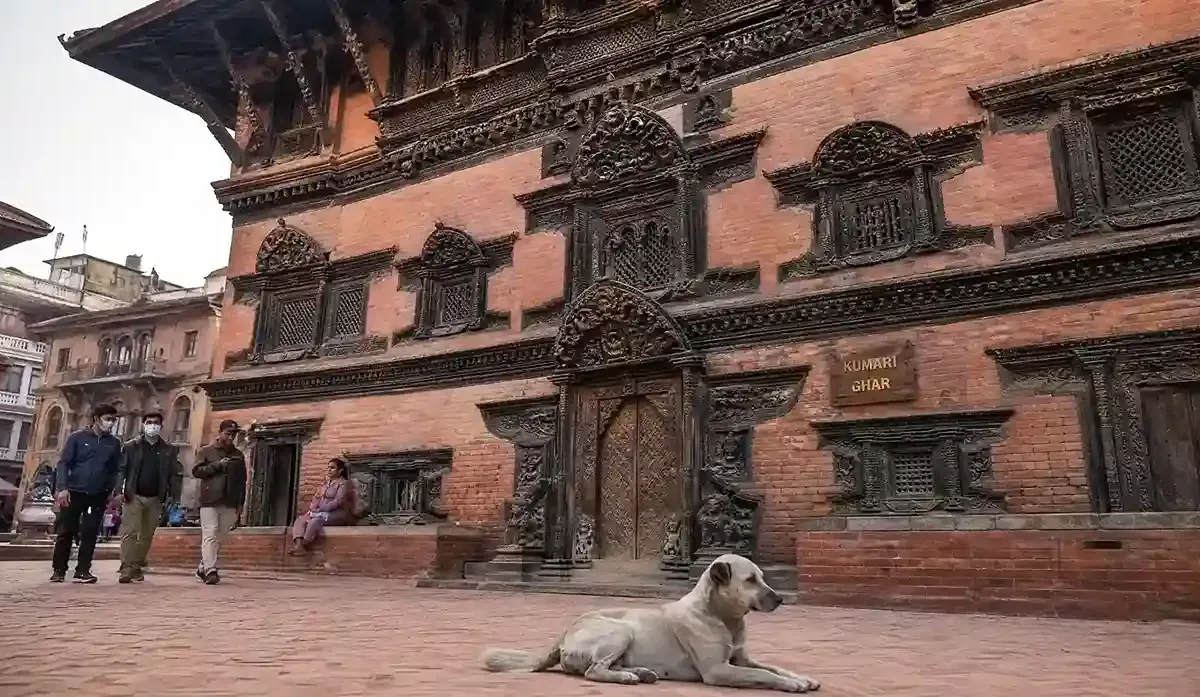
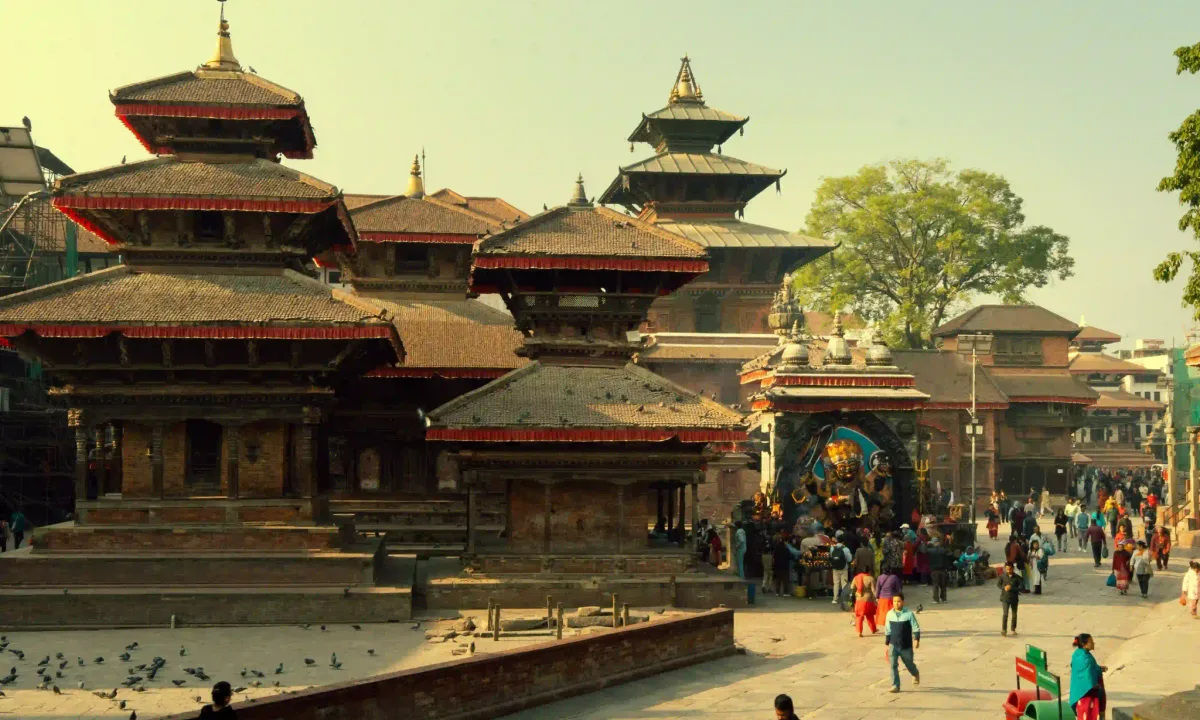
Kathmandu Durbar Square, also known as Hanuman Dhoka Square, stands as the historical heart of Nepal's capital. This complex of palaces, courtyards, and temples was once the royal residence of the Malla and Shah kings. Its intricate Newari architecture, characterized by exquisitely carved wooden windows and doors, tells tales of a bygone era. Key attractions include the Kumari Ghar, home to the Living Goddess, and the Kasthamandap, a multi-tiered pagoda said to be built from the wood of a single tree.
Despite suffering damage in the 2015 earthquake, significant restoration efforts are underway, preserving its grandeur. Visitors can immerse themselves in the bustling atmosphere, observe local rituals, and marvel at the craftsmanship. For those wondering about things to do in Kathmandu Valley, exploring this square is a journey back in time.
2. Patan Durbar Square
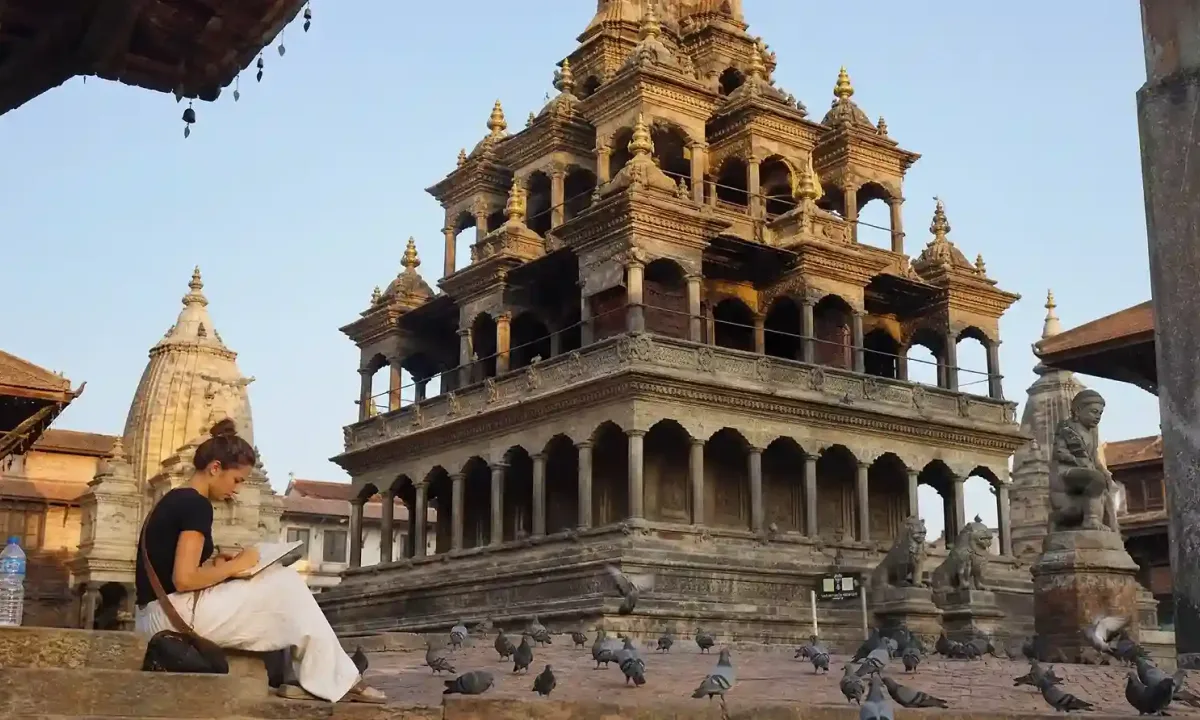
Located in Lalitpur, Patan Durbar Square is renowned for its artistic heritage and is often called the City of Fine Arts. This square boasts an impressive collection of temples, palaces, and courtyards, showcasing the Newar artisans' exceptional skill in metalwork and carving.
The Krishna Mandir, a stone temple with 21 golden pinnacles, is a prominent highlight. Patan Museum, housed within the former royal palace, offers a deeper dive into Nepal's artistic and cultural history. The relaxed ambiance and fewer crowds make it one of the best UNESCO sites to visit in Nepal for a contemplative experience.
3. Bhaktapur Durbar Square
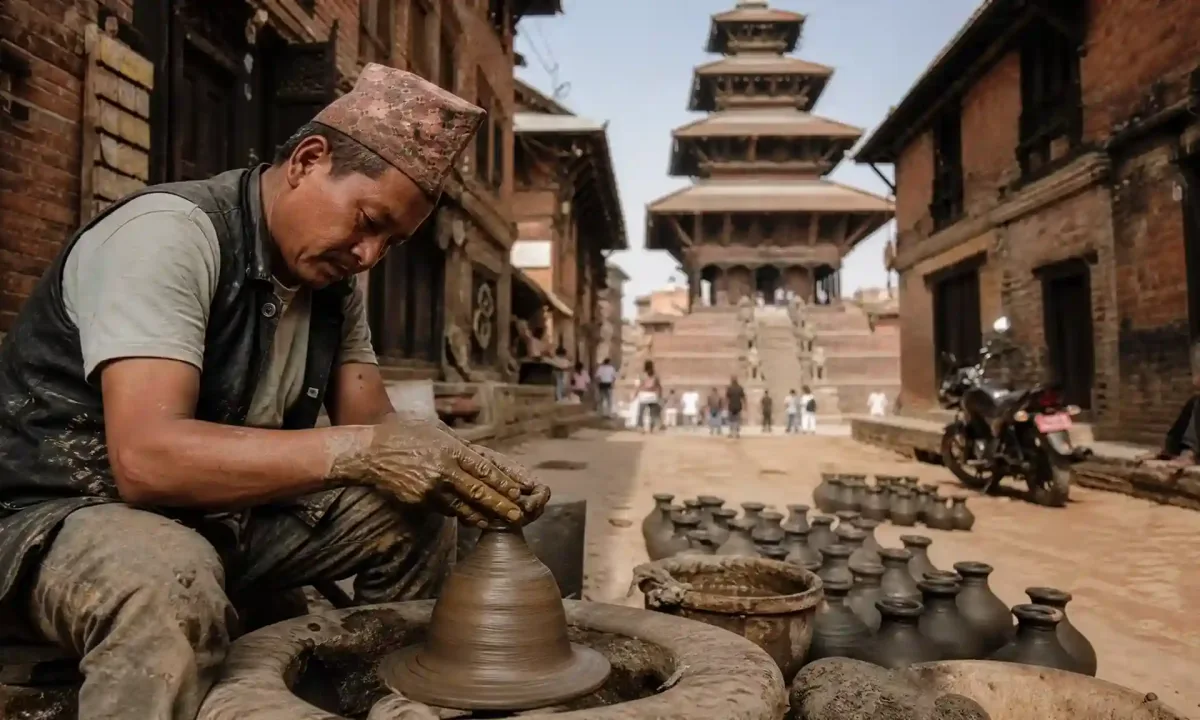
Bhaktapur Durbar Square transports visitors to a medieval kingdom with its well-preserved architecture and traditional lifestyle. This UNESCO site is celebrated for its 55-Window Palace, the Golden Gate, and the Nyatapola Temple, Nepal's tallest pagoda.
The city's narrow streets are alive with potters, weavers, and artisans, offering a glimpse into traditional Newari craftsmanship. Bhaktapur provides a serene escape from the hustle and bustle, allowing visitors to wander through ancient courtyards and witness age-old traditions still in practice. It's an essential stop for anyone exploring the Kathmandu Valley UNESCO sites.
4. Swayambhunath Stupa (Monkey Temple)
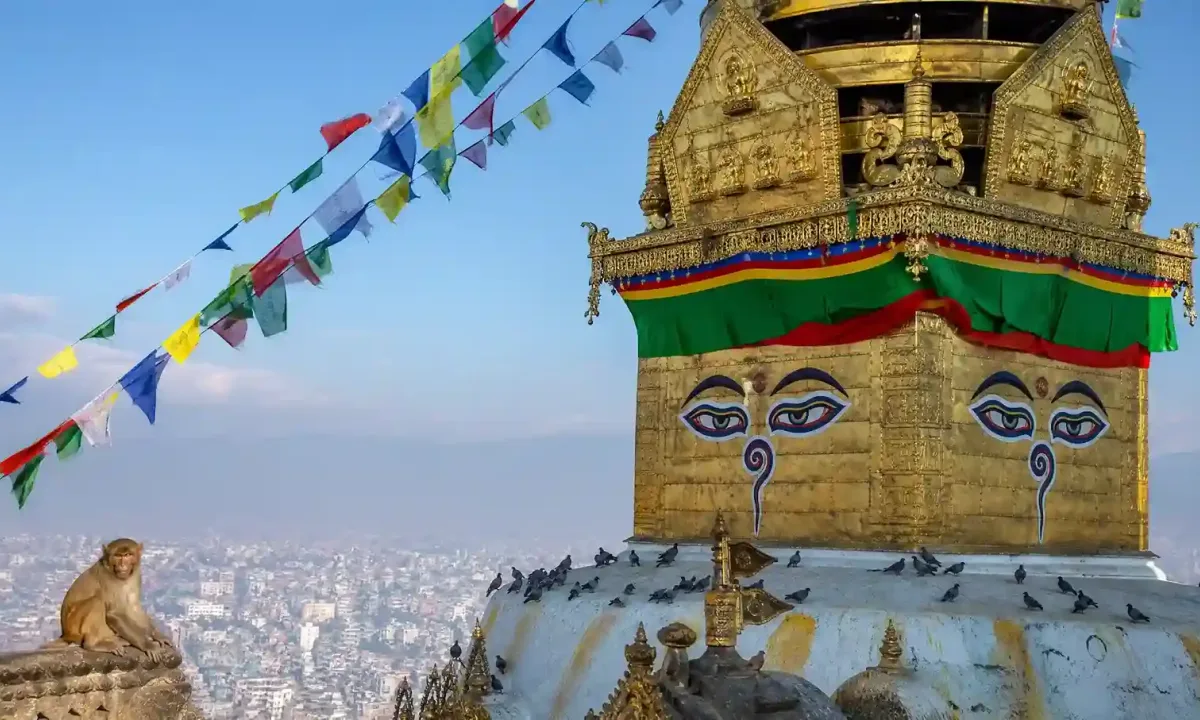
Perched atop a hill overlooking Kathmandu Valley, Swayambhunath Stupa, affectionately known as the Monkey Temple, is one of Nepal's most sacred Buddhist sites. Its iconic white dome, gilded spire, and the all-seeing eyes of Buddha painted on its four sides are instantly recognizable. The complex is a harmonious blend of Hindu and Buddhist shrines, reflecting Nepal's religious tolerance.
The panoramic views of Kathmandu city from this vantage point are breathtaking, especially at sunrise or sunset. The playful monkeys that inhabit the area add to its unique charm. This site offers a spiritual and visually rewarding experience, making it a popular choice among UNESCO World Heritage Sites Nepal list.
5. Boudhanath Stupa
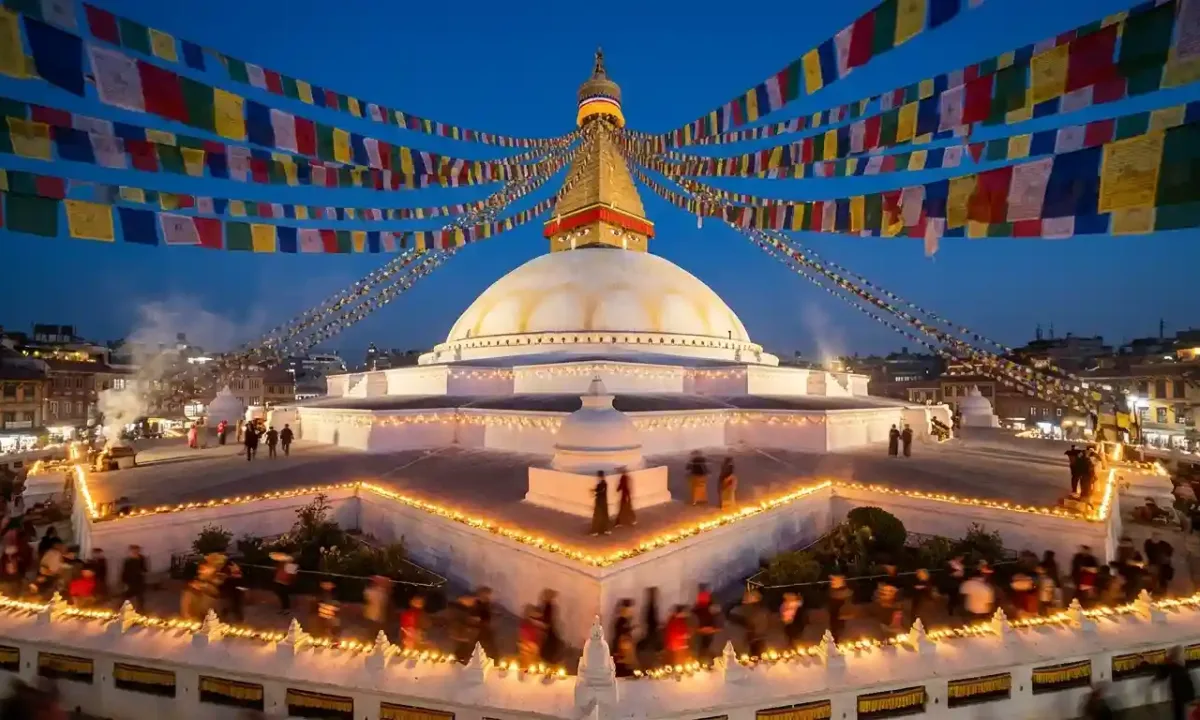
Boudhanath Stupa is one of the largest spherical stupas in Nepal and a focal point of Tibetan Buddhism. Its massive mandala design is a powerful symbol of enlightenment. Surrounded by monasteries and bustling with pilgrims circumambulating the stupa, spinning prayer wheels, and chanting mantras, Boudhanath exudes a profound sense of peace and spirituality.
The vibrant prayer flags fluttering in the breeze add a splash of color to the serene white dome. It's a place where visitors can witness the rich tapestry of Buddhist culture and engage in quiet contemplation. For those seeking spiritual immersion, Boudhanath is a highlight of the UNESCO World Heritage Sites in Nepal list.
6. Pashupatinath Temple
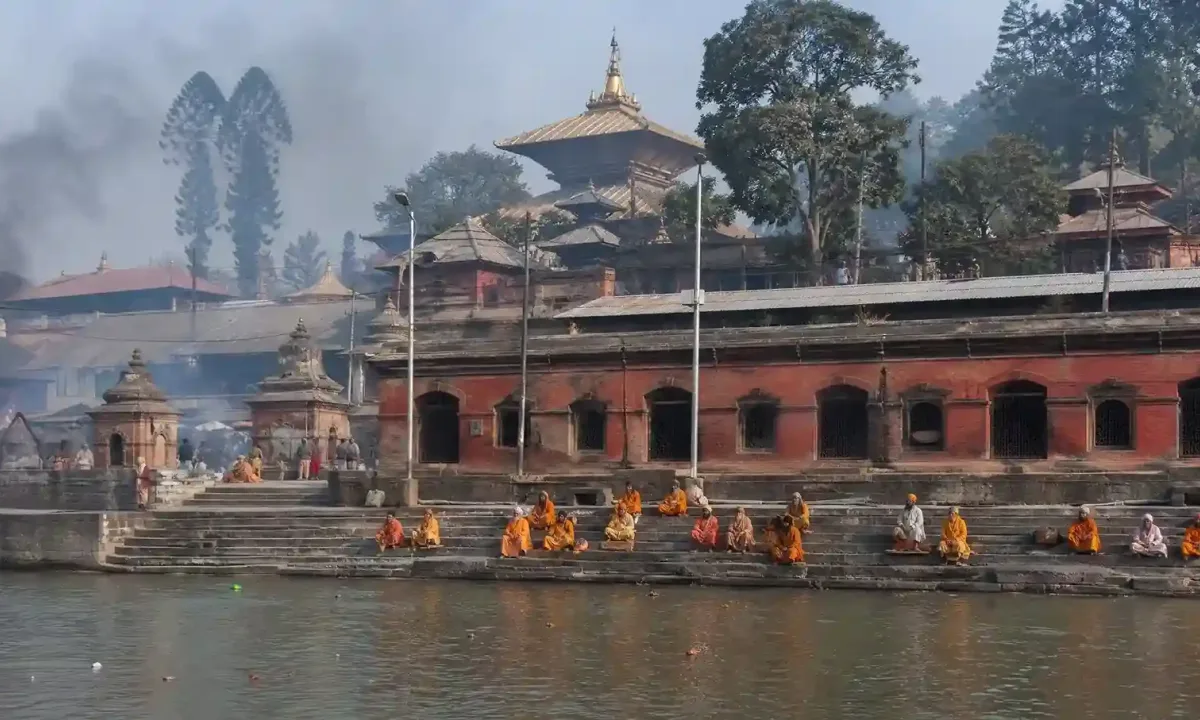
Pashupatinath Temple, situated on the banks of the sacred Bagmati River, is the most revered Hindu temple in Nepal, dedicated to Lord Shiva. This sprawling complex features a golden-roofed pagoda temple, numerous smaller shrines, and a ghat where Hindu cremation rituals are performed.
While non-Hindus are not permitted inside the main temple, the surrounding complex offers a profound insight into Hindu traditions, life, and death. The atmosphere is a powerful mix of devotion, contemplation, and cultural observation. Visiting Pashupatinath is a deeply moving experience and a significant part of understanding the UNESCO World Heritage Sites in Nepal.
7. Changu Narayan Temple
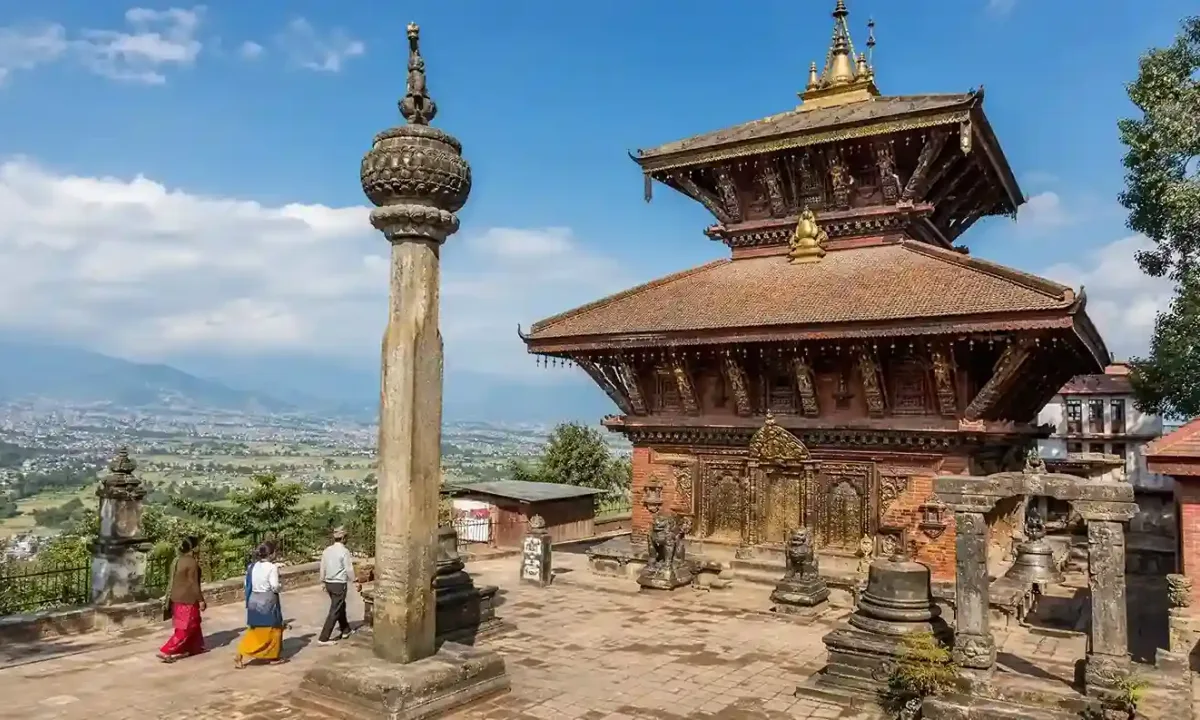
Perched on a high hilltop east of Kathmandu, Changu Narayan Temple is the oldest temple in Nepal, dating back to the 4th century. Dedicated to Lord Vishnu, this exquisite temple is a masterpiece of Newari architecture, adorned with intricate carvings and sculptures that depict various deities and mythological creatures.
The temple's historical significance is underscored by ancient inscriptions, including one from the 5th century. The peaceful setting, surrounded by traditional Newari villages and offering stunning views of the valley, makes it a hidden gem among the Kathmandu Valley UNESCO sites. It's a perfect spot for those interested in ancient art and serene landscapes.
8. Lumbini (Birthplace of Lord Buddha)
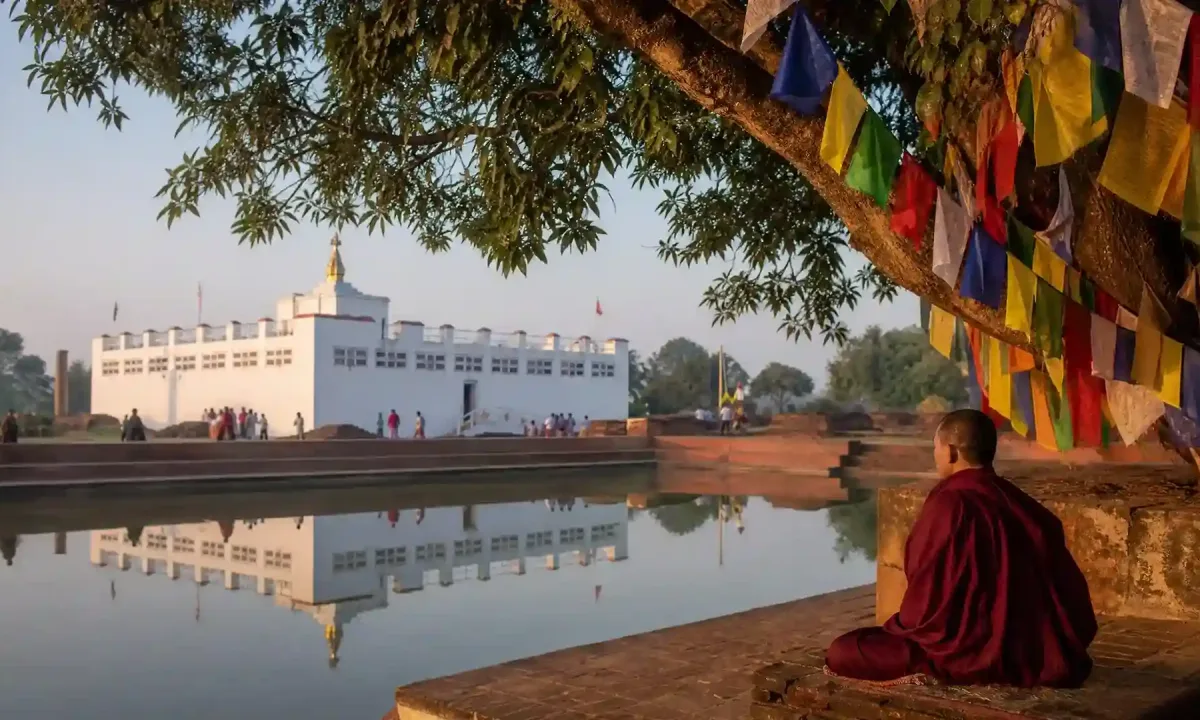
Lumbini, located in the Rupandehi District of Nepal, holds immense spiritual significance as the birthplace of Siddhartha Gautama, the Buddha. This sacred pilgrimage site features the Maya Devi Temple, marking the exact spot of Buddha's birth, and the Ashoka Pillar, erected by Emperor Ashoka in 249 BC.
The tranquil monastic zone, with monasteries built by various Buddhist countries, offers a serene environment for meditation and reflection. Lumbini is a powerful symbol of peace and a profound destination for spiritual seekers, solidifying its place on the UNESCO World Heritage Sites Nepal list.
9. Chitwan National Park
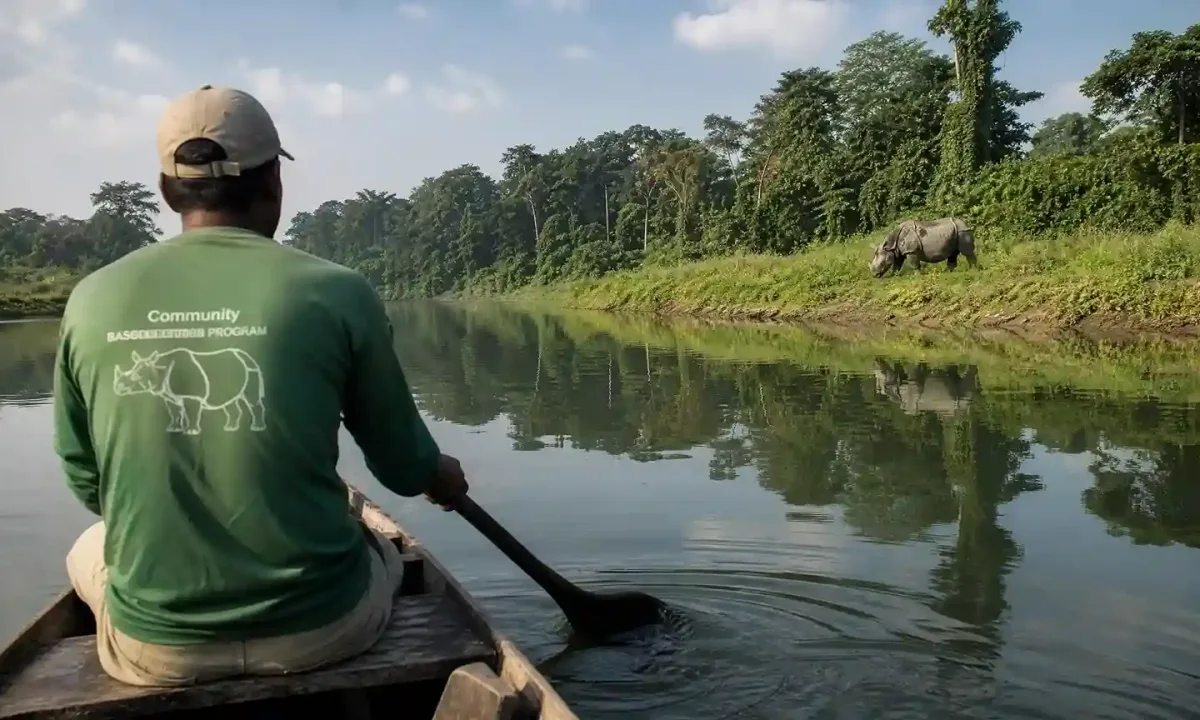
Moving beyond the cultural sites, Chitwan National Park offers a thrilling encounter with Nepal's rich biodiversity. This natural UNESCO World Heritage Site is a haven for wildlife, including the endangered one-horned rhinoceros, Bengal tigers, leopards, sloth bears, and a myriad of bird species.
Jungle safaris (on foot, by jeep, or canoe) provide incredible opportunities for wildlife viewing. The park also offers insights into the local Tharu culture, with traditional villages and cultural programs. For adventure and nature lovers, Chitwan is undoubtedly one of the best UNESCO sites to visit in Nepal.
10. Sagarmatha National Park (Everest Region)
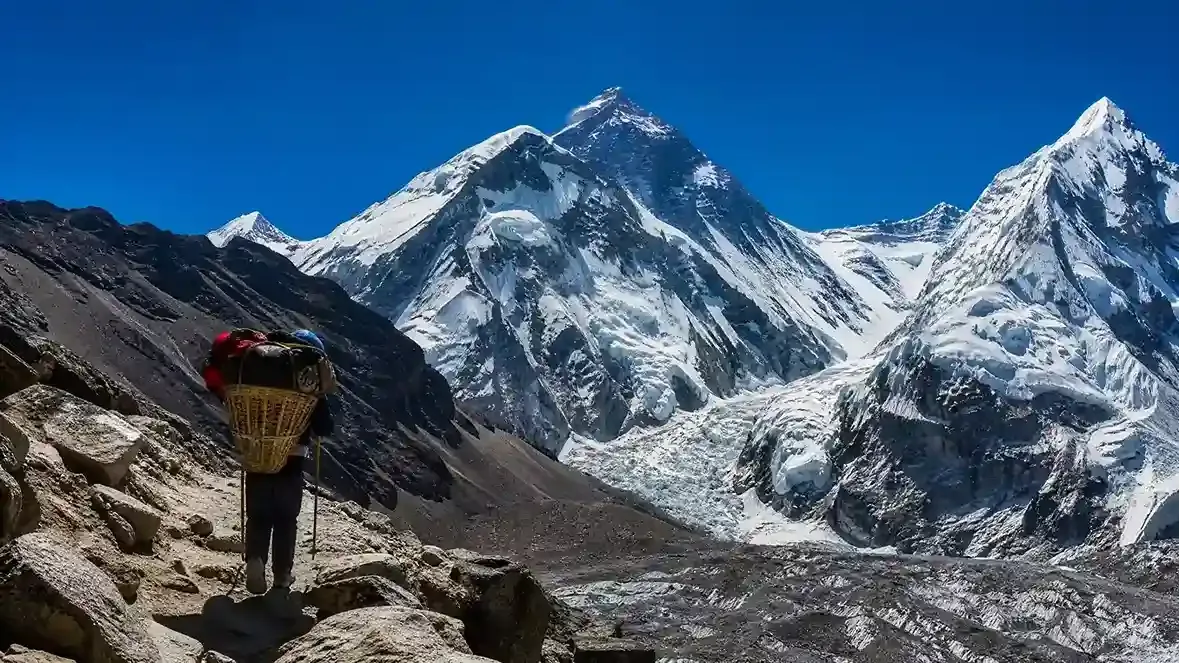
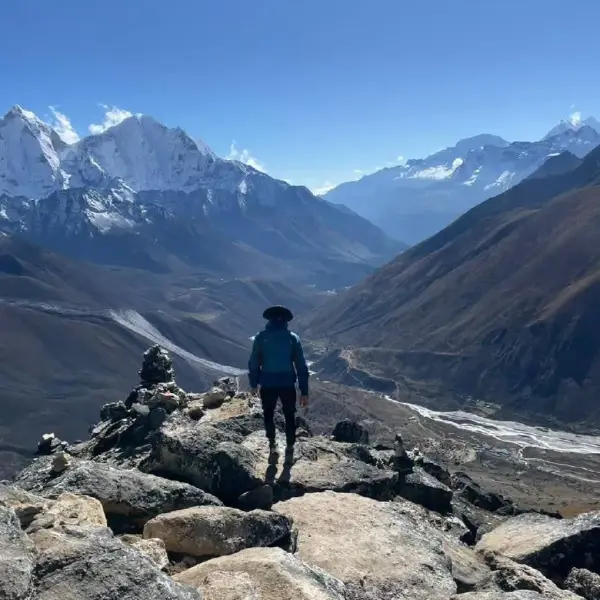
Sagarmatha National Park, home to Mount Everest, the world's highest peak, is a natural wonder and a UNESCO World Heritage Site of unparalleled grandeur. This dramatic landscape of glaciers, rugged mountains, and deep valleys is also culturally rich, inhabited by the Sherpa people whose unique traditions are intertwined with the Himalayas.
Trekking through this region offers not only breathtaking views of Everest and other colossal peaks but also a chance to experience Sherpa hospitality and visit ancient monasteries. It's an iconic destination for trekkers and mountaineers, representing the pinnacle of natural heritage on the UNESCO World Heritage Sites Nepal list.
Why Visit Nepal's UNESCO Sites?
Visiting Nepal's UNESCO sites offers a truly unique and enriching travel experience. These sites provide a rare opportunity to witness the harmonious coexistence of ancient traditions, diverse cultures, and stunning natural landscapes. From the intricate artistry of the Durbar Squares to the spiritual serenity of the stupas and the raw wilderness of the national parks, each site tells a compelling story.
Travelers gain not only historical knowledge but also a deeper appreciation for human resilience, artistic expression, and environmental conservation. The photographic opportunities are endless, and the spiritual journeys undertaken here can be profoundly transformative.
Planning Your Trip to Nepal's Heritage Sites
To make the most of your visit to Nepal's UNESCO World Heritage Sites, consider the following tips:
- Best Time to Visit: The ideal seasons are spring (March to May) and autumn (September to November). During these months, the weather is generally clear and pleasant, offering excellent visibility for mountain views and comfortable conditions for exploring cultural sites and wildlife. These periods also coincide with many vibrant festivals.
- Getting Around: For sites within Kathmandu Valley, taxis, rickshaws, and local buses are readily available. For longer distances to Lumbini or Chitwan, domestic flights or comfortable tourist buses are recommended. Treks to Sagarmatha National Park typically involve flights to Lukla followed by guided walks.
- Cultural Etiquette: When visiting temples and religious sites, dress modestly, remove your shoes before entering, and avoid public displays of affection. Always ask for permission before taking photos of people, especially monks or during religious ceremonies. Respect local customs and traditions.
- Accommodation: Nepal offers a wide range of accommodation options, from budget-friendly guesthouses and teahouses (especially in trekking regions) to boutique hotels and luxury resorts. Booking in advance, especially during peak season, is advisable.
- Guides: Hiring a local guide can significantly enhance your experience, providing historical context, cultural insights, and practical assistance, particularly at complex sites like the Durbar Squares or during wildlife safaris.
Conclusion
Nepal's ten UNESCO World Heritage Sites offer an extraordinary journey through a land rich in history, culture, spirituality, and natural wonders. From the ancient royal squares of the Kathmandu Valley to the serene birthplace of Buddha in Lumbini, and the majestic wilderness of Chitwan and Sagarmatha National Parks, these sites encapsulate the very essence of Nepal. They invite travelers to delve deep into a vibrant heritage, witness breathtaking landscapes, and create memories that last a lifetime. Embark on your Nepalese adventure and discover why these sites are truly must-visit places.
Frequently Asked Questions (FAQs)
How many UNESCO World Heritage Sites are there in Nepal?
Nepal is home to 10 UNESCO World Heritage Sites. These include cultural sites within the Kathmandu Valley (Kathmandu Durbar Square, Patan Durbar Square, Bhaktapur Durbar Square, Swayambhunath, Boudhanath, Pashupatinath, Changu Narayan), Lumbini, and natural sites (Chitwan National Park, Sagarmatha National Park).
What are the main types of UNESCO sites in Nepal?
Nepal's UNESCO sites are primarily categorized into cultural and natural sites. The Kathmandu Valley sites and Lumbini are cultural, while Chitwan National Park and Sagarmatha National Park are natural sites.
Is Kathmandu Valley a single UNESCO World Heritage Site?
The Kathmandu Valley is inscribed as a single UNESCO World Heritage property, but it comprises seven Monument Zones: the Durbar Squares of Kathmandu, Patan, and Bhaktapur, and the religious ensembles of Swayambhunath, Boudhanath, Pashupatinath, and Changu Narayan.
What is the best time to visit Nepal's UNESCO sites?
The best time to visit is during spring (March to May) and autumn (September to November). These seasons offer pleasant weather, clear skies, and are ideal for both cultural exploration and outdoor activities like trekking and wildlife safaris.
Are the UNESCO sites in Nepal accessible for all travelers?
Most cultural sites, especially those in the Kathmandu Valley, are generally accessible, though some areas may have uneven terrain or stairs. Natural sites like Chitwan National Park offer various safari options suitable for different mobility levels. Sagarmatha National Park primarily involves trekking, which requires a good level of physical fitness.
Can I visit all 10 UNESCO sites on one trip?
While ambitious, it is possible to visit all 10 sites on an extended trip, typically requiring 2-3 weeks. Many tour operators, including those on Travories, offer comprehensive itineraries that cover multiple sites. The seven sites within Kathmandu Valley can often be explored within a few days.
What kind of wildlife can I expect to see in Chitwan National Park?
Chitwan National Park is famous for its one-horned rhinoceros, Bengal tigers (though sightings are rare), leopards, sloth bears, wild elephants, various deer species, and over 500 species of birds. Canoe safaris also offer opportunities to spot crocodiles and gharials.
What is the significance of Lumbini?
Lumbini is the sacred birthplace of Siddhartha Gautama, who later became Buddha. It is a major pilgrimage site for Buddhists worldwide and a symbol of peace and spiritual awakening.
Claire
www.travories.comTravel Writer
Comments
Join the conversation and share your thoughts.
Loading comments…