Book with Confidence with Travories
Verified travel partners and transparent package details.
Secure booking flow with dedicated support when needed.
Flexible choices curated for safe and confident planning.

Religious Tour Packages
Packages : 1 Results Found
About Religious Tour in Nepal
Nepal is one of the few countries on earth where the world's two great Dharmic religions — Hinduism and Buddhism — coexist not just side by side, but interwoven, with shared deities, shared festivals, and shared sacred geography. A religious tour here is less a single destination and more a thread through pilgrimage sites that have drawn devotees for over two thousand years.
For Hindus, the country holds Pashupatinath (one of the holiest Shiva temples on earth), Muktinath at 3,710m in the Mustang region (a Shaligram and moksha site), Janakpur (birthplace of Sita), and dozens of valley shrines. For Buddhists, Lumbini is the birthplace of Siddhartha Gautama — the Buddha himself — and Boudhanath Stupa and Swayambhunath are continuously circumambulated daily by thousands of monks, nuns, and pilgrims.
Tours are designed with cultural sensitivity in mind. Your guide explains the symbolism, the rituals, and the etiquette so you visit as a respectful traveler — not just a sightseer.
Top destinations for religious tour in Nepal
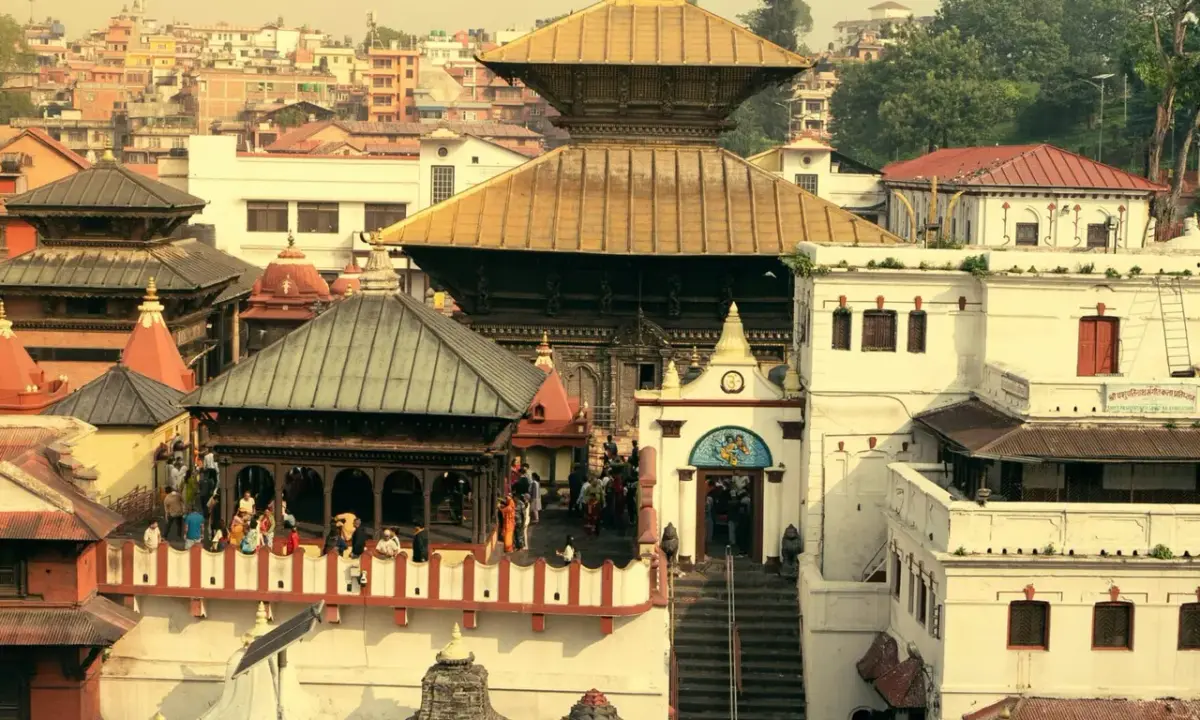
Pashupatinath Temple
The holiest Hindu temple in Nepal dedicated to Lord Shiva as the "Lord of Animals," located on the banks of the sacred Bagmati River.
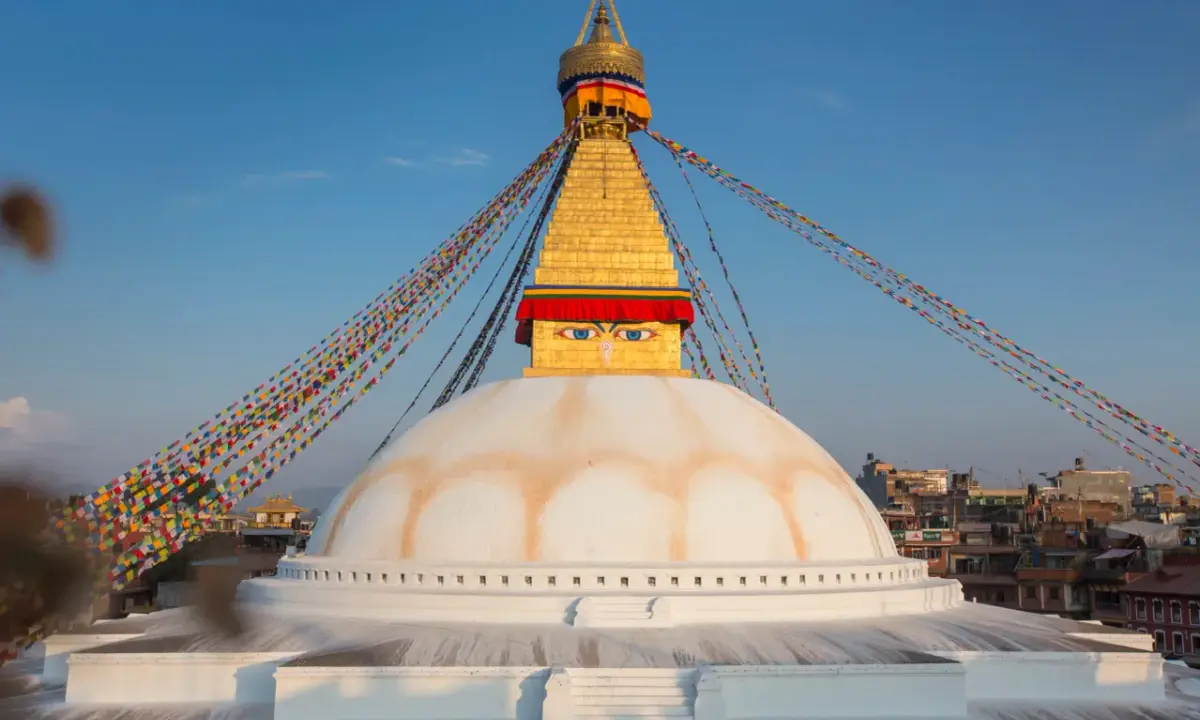
Boudhanath Stupa
One of the largest spherical stupas in the world and the spiritual center for Tibetan Buddhism in Kathmandu.
Janaki Mandir
A massive "Nau Lakha" temple in Janakpur dedicated to Goddess Sita, built at her birthplace in a blend of Mughal and Rajput styles.
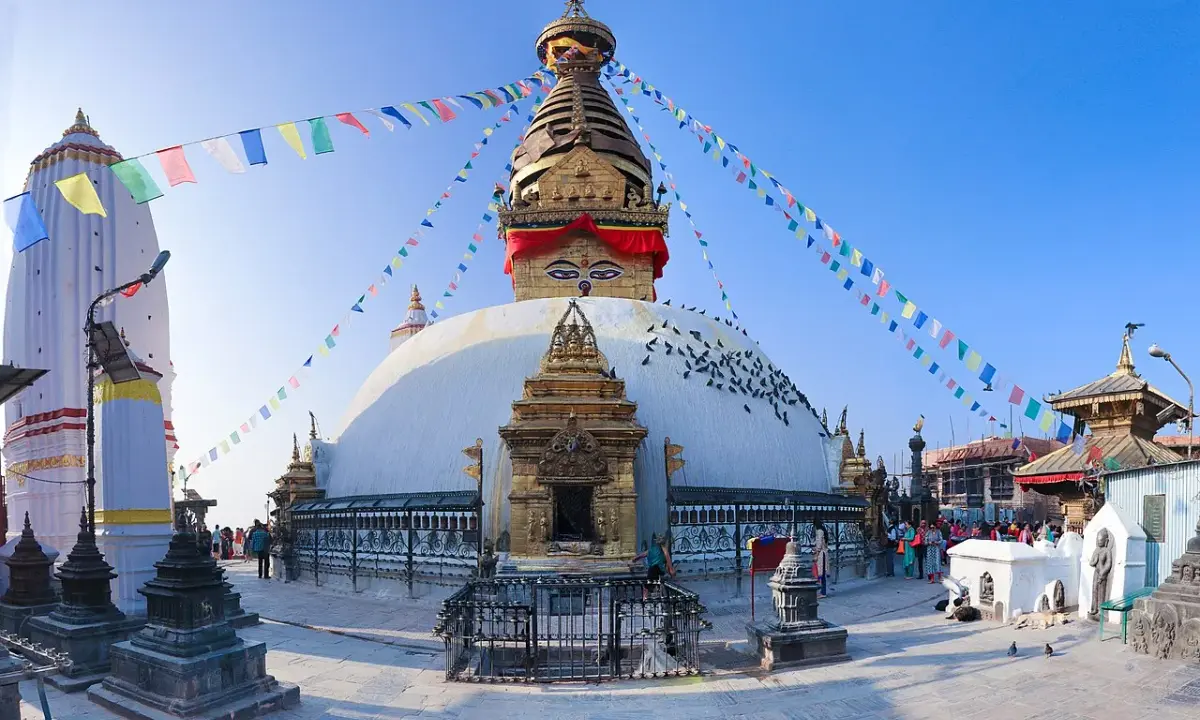
Swayambhunath
Known as the "Monkey Temple," it is an ancient religious complex atop a hill, sacred to both Buddhists and Hindus.
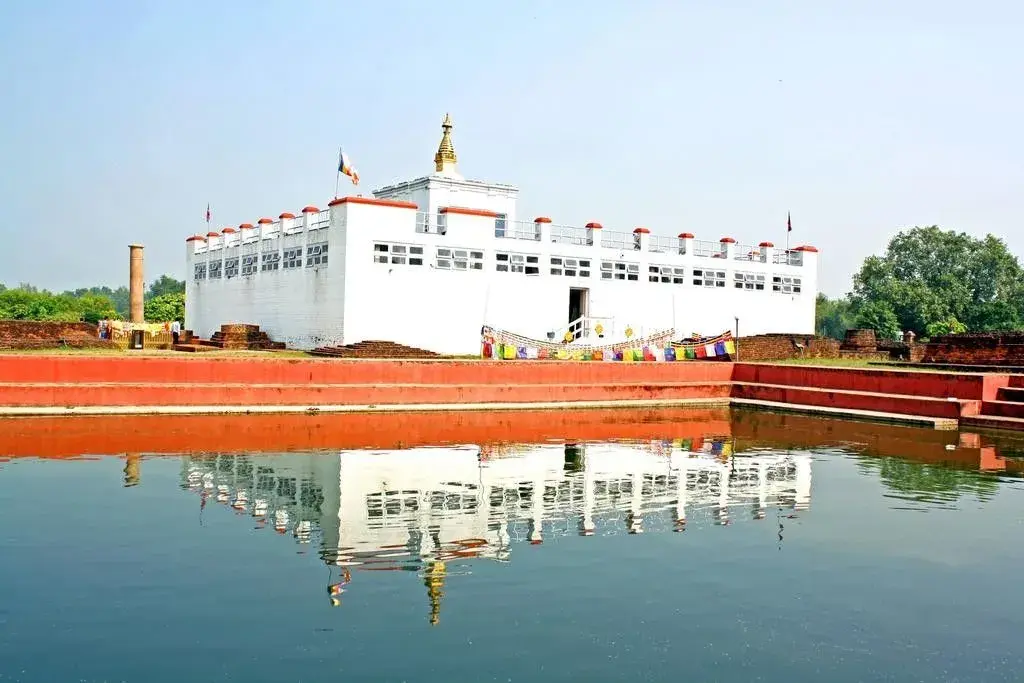
Lumbini
The birthplace of Lord Buddha; centered around the Mayadevi Temple, it is the cornerstone of global Buddhist pilgrimage.
Trivenidham
Triveni Dham is a confluence of three rivers, Sona, Tamasa and Sapta Gandaki. It is located in Binayi Tribeni Rural Municipality, Nawalparasi district of Nepal.
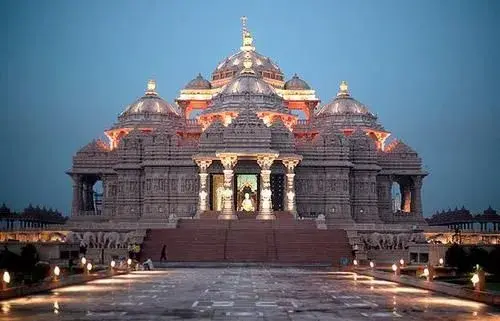
Akshardham
A spiritual-cultural campus in Delhi dedicated to Bhagwan Swaminarayan; it represents the "divine abode of God" on Earth.
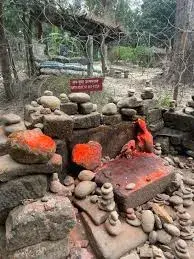
Luv Kush Ashram
Part of the Valmiki Ashram circuit; believed to be where Sita lived in exile and where her twin sons, Luv and Kush, were born and raised.
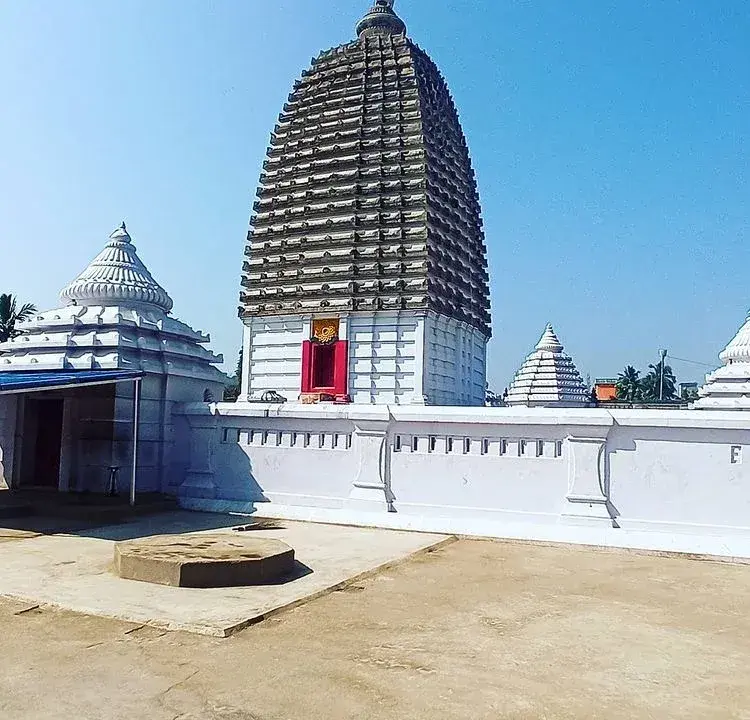
Ramdi (Mahima)
A sacred riverbank on the Kali Gandaki; legend says Lord Ram bathed here and lived in the nearby Siddha Cave during his travels.
Best season to go
Pilgrimage sites are open year-round, but certain windows shape the experience.
- October–April is the most comfortable for traveling between sites (clear weather, no monsoon disruption).
- Maha Shivaratri (Feb/March) at Pashupatinath draws sadhus from all over India and Nepal — extraordinary spectacle, but the site is crowded and accommodation is tight.
- Buddha Jayanti (May) at Lumbini commemorates the Buddha's birth, enlightenment, and parinirvana — a deeply moving day to visit.
- Muktinath is accessible most of the year but the Jomsom road can be cut by snow in deep winter (January–February).
What's typically included
Cultural & spiritual guide
A guide trained in Hindu and Buddhist tradition who can explain rituals respectfully.
Private vehicle & driver
Door-to-door transport between sites; flights included for Muktinath/Jomsom routes.
All temple & site entry fees
Pashupatinath, Lumbini monastic zone, Muktinath, etc. — all included.
Domestic flights (where applicable)
Pokhara–Jomsom for Muktinath; Kathmandu–Bhairahawa for Lumbini.
Accommodation
3-star hotels or curated monastery guesthouses at Lumbini.
Daily meals
Vegetarian meal options always available; satvik food on request.
Why book religious tour through Travories
- Guides trained in religious and cultural context — not just route logistics.
- Respectful itineraries — pacing, dress code, and ritual etiquette built in.
- Multi-faith perspective — both Hindu and Buddhist sites covered in a single tour when desired.
Frequently asked questions
Non-Hindus are not permitted inside the inner sanctum of the main Pashupatinath temple, but the entire outer complex — including the Bagmati ghats, cremation platforms, smaller shrines, and viewpoints from across the river — is fully open to all visitors. Most of the spiritual experience happens in these outer areas.